
Metro Magazine

 MENU
 SEARCHMENUSEARCH
Loading data...
Anyone who has ever taken an economics class in high school or college knows one aspect of this problem; in the textbooks it’s called “cost-push inflation.”
Read More →





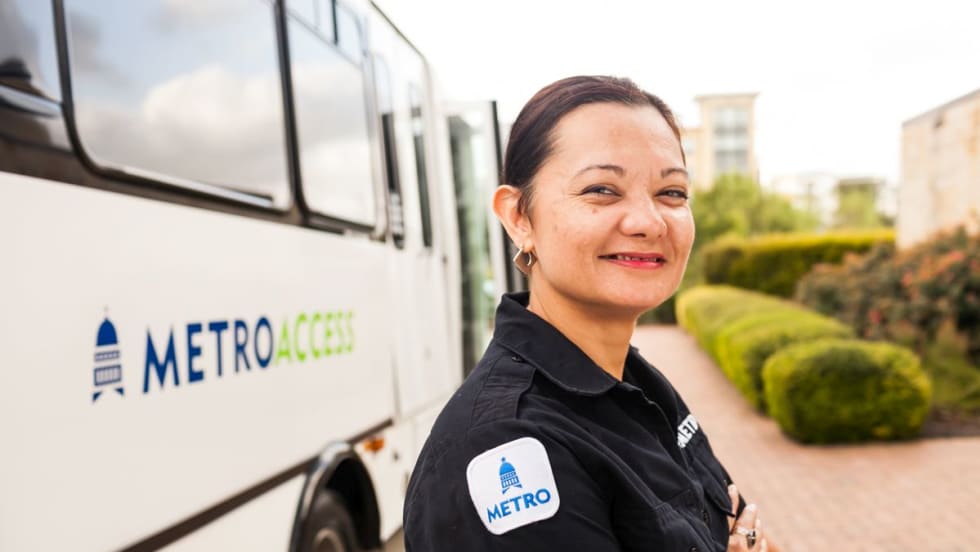
Mentorship programs at VTA and King County Metro are transforming the experience of new bus operators — boosting retention, improving safety, and strengthening connections among frontline workers, unions, and management.
Read More →Put in place by Congress in 1986 before the advent of widespread computerization and shared data portals, the regulation eliminated required CDL holders to report out-of-state traffic convictions to their home-state licensing agency.
Read More →Some key achievements include, Hours of Service proposal, improving regulatory efficiency, and fighting human trafficking.
Read More →Will require more rigorous CDL testing standards, seek new rules to strengthen passenger carrier and driver compliance with federal safety regulations, and empower consumers to review safety records of bus companies before booking.
Read More →The entry-level driver training Final Rule retains many of the consensus recommendations of a negotiated rulemaking committee comprised of 25 stakeholders and FMCSA representatives.
Read More →The organization reports record participation, expanded training, and growing national influence across the transit industry in 2025.
Read More →In addition to training and performance monitoring, anti-collision systems and lane departure management, are some tools being used by today's passenger carriers to ramp-up safety efforts.
Read More →The grant program program was established by Congress in 2005 to expand the number of CDL holders possessing enhanced operator safety training to help reduce the severity and number of crashes on U.S. roads involving large trucks and buses.
Read More →Suggestions include providing a job description detailing what the position entails and creating a referral program, which rewards current employees for bringing in new recruits.
Read More →