



Illinois law requires CDL for school charter service
A person must submit fingerprints, pass a written test, submit to a drug test and pass background tests to obtain a CDL school bus driver endorsement.

Illinois Governor Rod Blagojevich signed legislation in August requiring drivers transporting students enrolled in grade 12 or below to or from school activities to have a commercial driver's license (CDL) with a school bus driver endorsement. The legislation, HB 2840, also established requirements for obtaining a CDL school bus driver endorsement, which include the following:
A person must submit fingerprints to the Department of State Police, pass a written test administered by the Secretary of State, demonstrate physical fitness by submitting results of a medical examination (including a drug test) and pass applicable background tests.
The amended vehicle code language states that a valid CDL issued by any other state or jurisdiction in accordance with federal rules is also acceptable.
A person may also operate such a bus if he or she holds a valid school bus driver permit that was issued on or before Dec. 31, 2003.
The law amends the school code to provide that all contracts for these types of services contain a clause that indicates whether or not all charter bus drivers passed all of the necessary requirements. The original Illinois legislation establishing the school bus permit left out any chance for out-of-state drivers to earn a permit, which prevented then from transporting any Illinois school children (grades K-12).
More Management
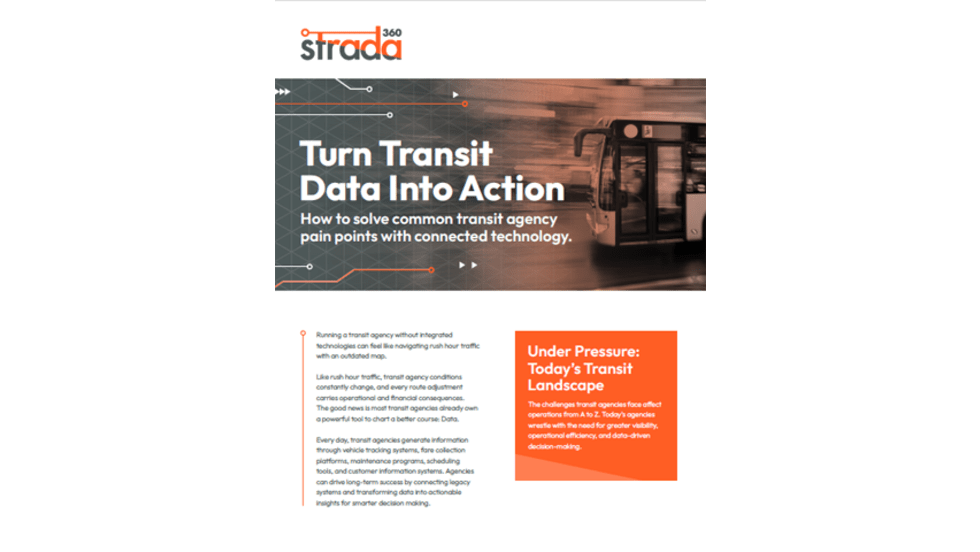
Turn Transit Data Into Action
Discover how leading agencies are using connected technology to gain real-time visibility across operations, improve service reliability, and reduce disruptions.
Read More →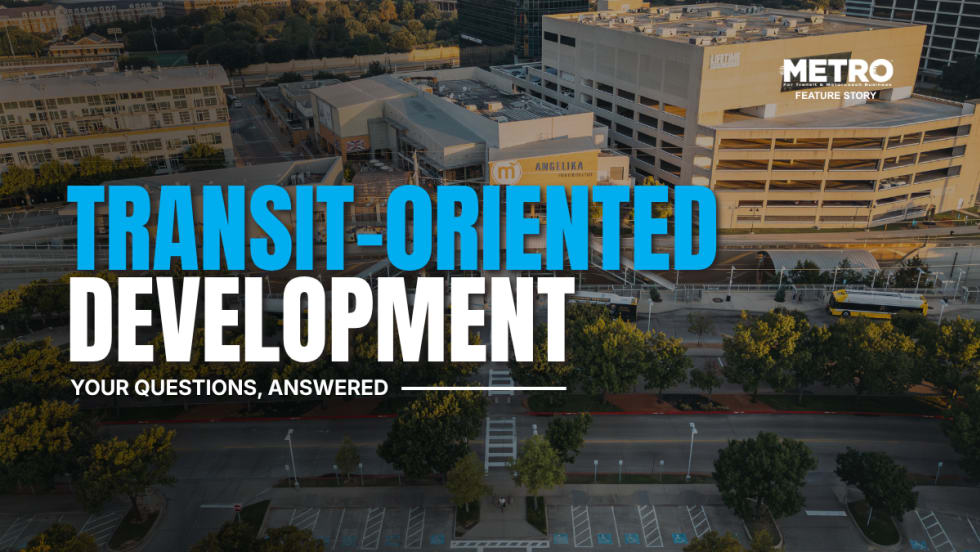
What Transit-Oriented Development Means for the Future of Public Transportation
Once viewed primarily as transit operators, agencies are now leveraging land, partnerships, and long-term planning to boost ridership, expand housing, and strengthen communities.
Read More →
USDOT Announces $22 Million for Transit Innovation, Updates High-Speed Rail Rules
New federal transit funding will support safety, accessibility, and technology projects as updated rail regulations establish new noise standards for high-speed trains.
Read More →
Transportation Construction Coalition Unveils Infrastructure Case Studies Ahead of Federal Funding Deadline
The coalition noted the next surface transportation bill should provide sustained investment in highways and public transit to strengthen freight movement, improve safety, and support economic growth.
Read More →
People Movement: American Bus Association Extends Ferguson and More
METRO’s People Movement highlights the latest leadership changes, promotions, and personnel news across the public transit, motorcoach, and people mobility sectors.
Read More →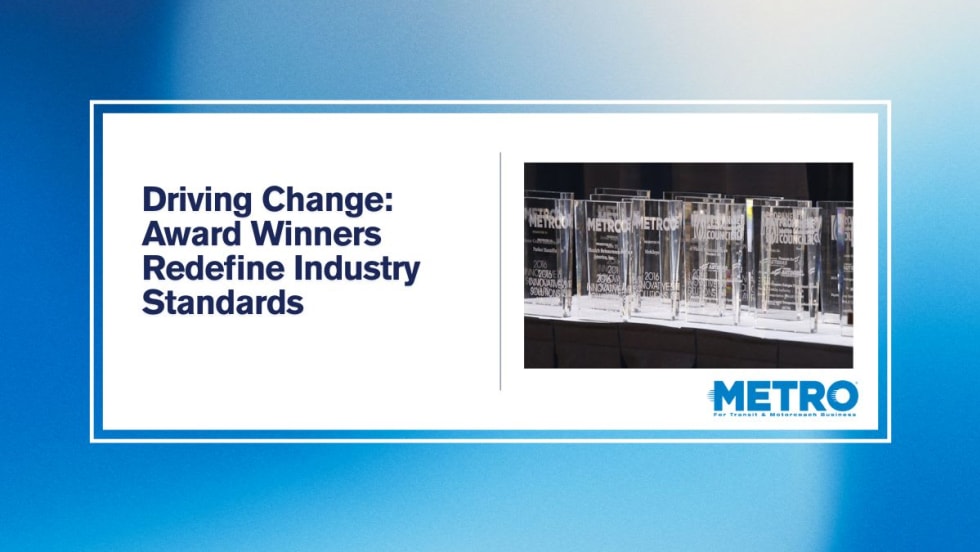
METRO Magazine Announces 2026 Innovative Solutions Awards Winners
Projects Recognized for Advancing Mobility Through Technology, Accessibility, Workforce Innovation, and Operational Excellence
Read More →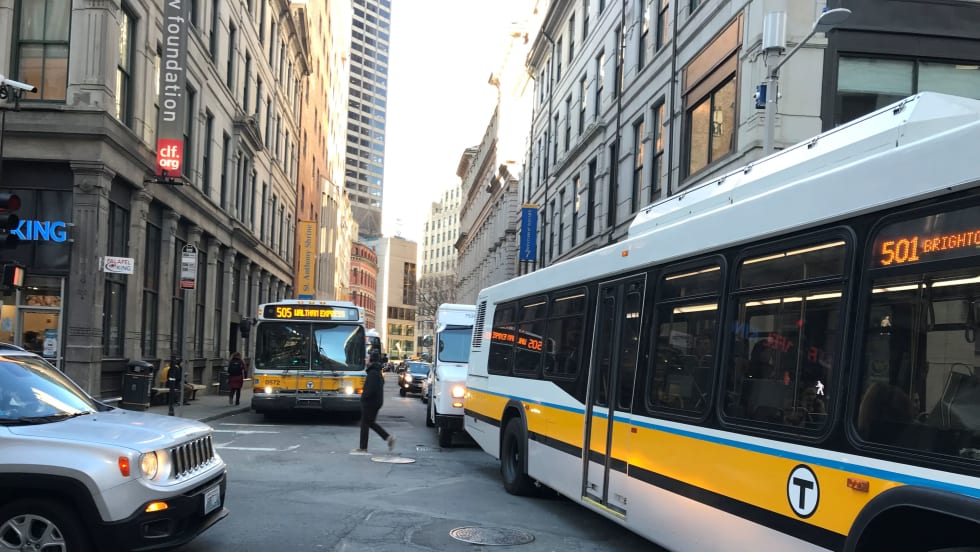
MBTA Rolls Out Pilot Programs to Cut Costs, Simplify Travel
Three new fare pilots — including unlimited two-hour transfers, reduced express bus fares, and free transit for eligible seniors — will launch this fall as Massachusetts extends popular commuter rail discounts through November.
Read More →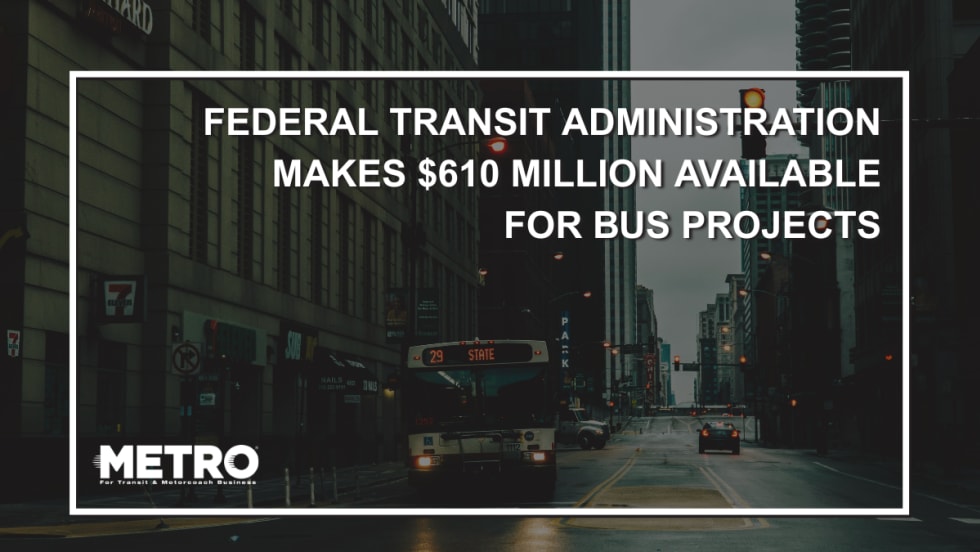
FTA Opens $610 Million Funding Opportunity for Bus Infrastructure Projects
The latest Notice of Funding Opportunity provides transit agencies with funding for bus facilities, fleet modernization, and low- and no-emission vehicles, with applications due September 21.
Read More →
Biz Briefs: STV teams with Amtrak, Motorcoach Operators Boost Fleet and Land Contracts, and More
From manufacturers and suppliers to transit agencies and motorcoach operators, these updates offer a snapshot of the projects, partnerships and business moves driving the industry forward.
Read More →
Massachusetts Approves $530M to Strengthen MBTA Operations, Infrastructure
The funding package targets operating stability, capital improvements, and fare affordability, offering a model for agencies navigating long-term funding challenges.
Read More →