
Metro Magazine

 MENU
MENU SEARCHMENUSEARCH
Loading data...

Grabauskas, also a former state transportation secretary, was appointed by Mitt Romney and forced to resign from the T in 2009.
Read More →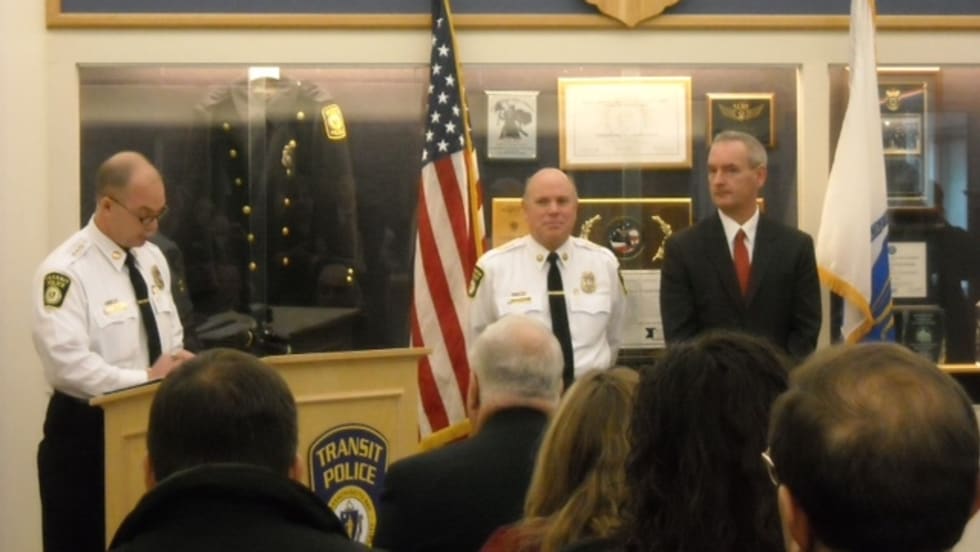
“Boston Under: After Hours,” a 44-minute film available on YouTube, follows the agency’s night crew through its shift, as workers deal with the challenges and dangers of the job.
Read More →Meeting attendees said that planned service cuts and fare increases of up to 40%, designed to eliminate $169 million in debt, present a “major hardship.”
Read More →The real-time text message pilot will be expanded to additional MBTA bus routes and commuter rail trains in the coming weeks.
Read More →Officials stressed that details could change after a string of public hearings through February, however, after five-and-a-half years of staving off fare increases and maintaining or increasing services, they said change appears inevitable.
Read More →Considering removal of the popular Charlie icon from its Charlie Card transit passes to make way for advertising to close a $161 million budget gap.
Read More →Investigation began in March of the possible production and sale of illegal MBTA passes after Conductor John Slyman noticed that a customer's monthly pass appeared to be the wrong color.
Read More →With the agency’s Massachusetts Bay Commuter Railroad contract set to expire in June 2013, it is considering taking over service operations.
Read More →Set a record over its 47-year history, up from 1.34 million trips in 2008 on an average weekday. The agency attributed the increase to higher gas prices and employment numbers.
Read More →A report released by MassINC said that the federal government would likely decline the state’s request for help in paying for the nearly $1 billion transit extension, due to the agency’s debt load and lack of a long-term transportation finance bill.
Read More →