
Metro Magazine

 MENU
MENU SEARCHMENUSEARCH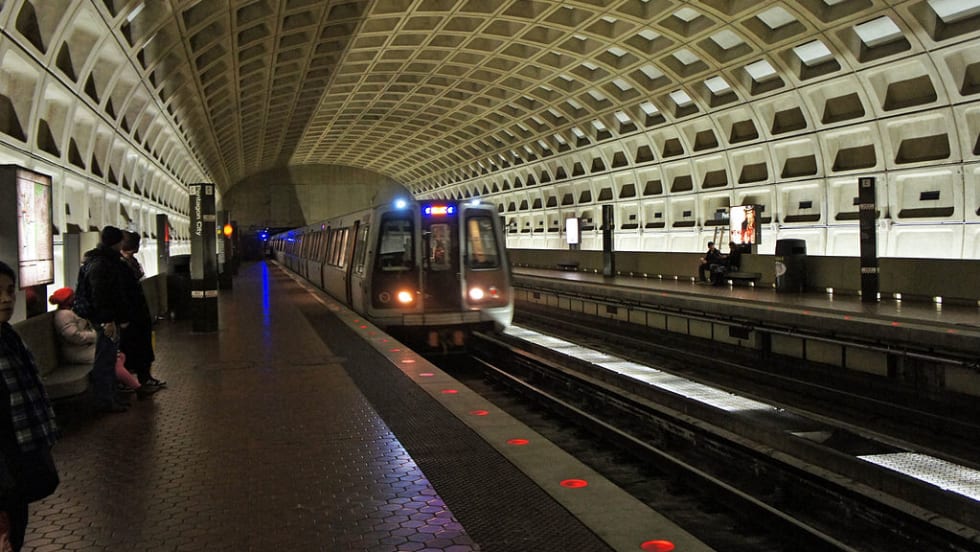
The agency estimates that only 0.03% of riders will be impacted by the closures, because the overwhelming majority of sales transactions can be performed at station fare vending machines, online, regional commuter stores, or at retail outlets.
Read More →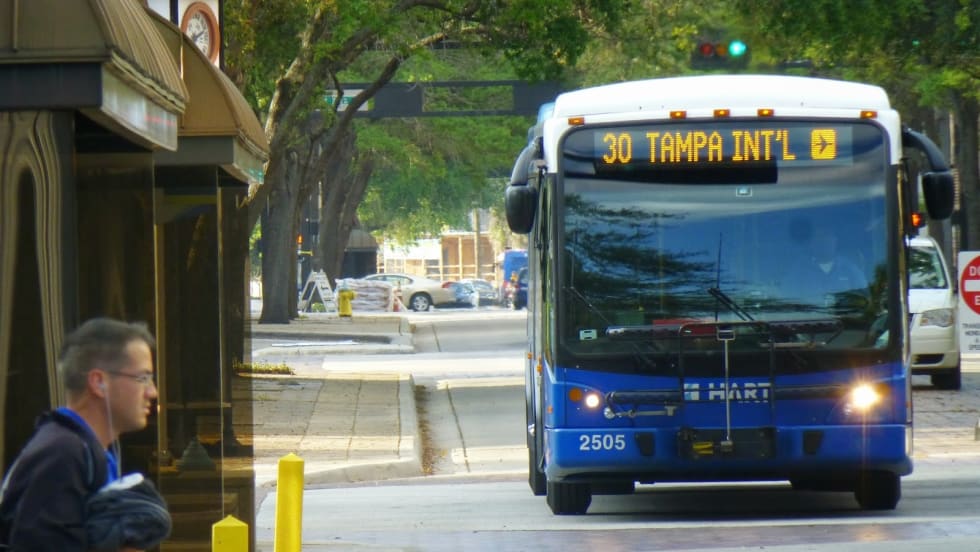
The project would be one of the first of its kind in the U.S. utilizing autonomous technology and has the potential to become a genuine problem solver, according to FDOT and HART.
Read More →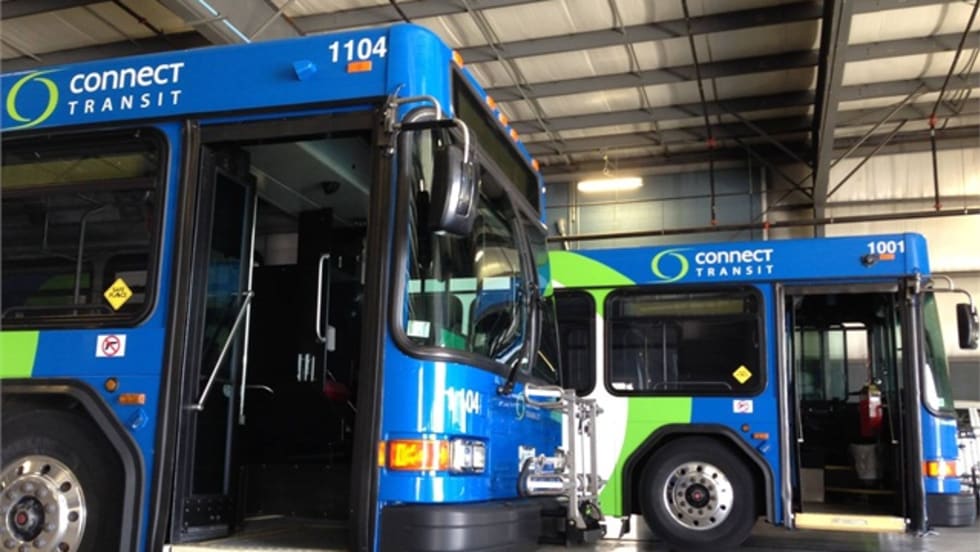
Has received no state money since June, missing payments in July and October and is owed almost $5 million, which constitutes one-third of its annual budget, according to the report.
Read More →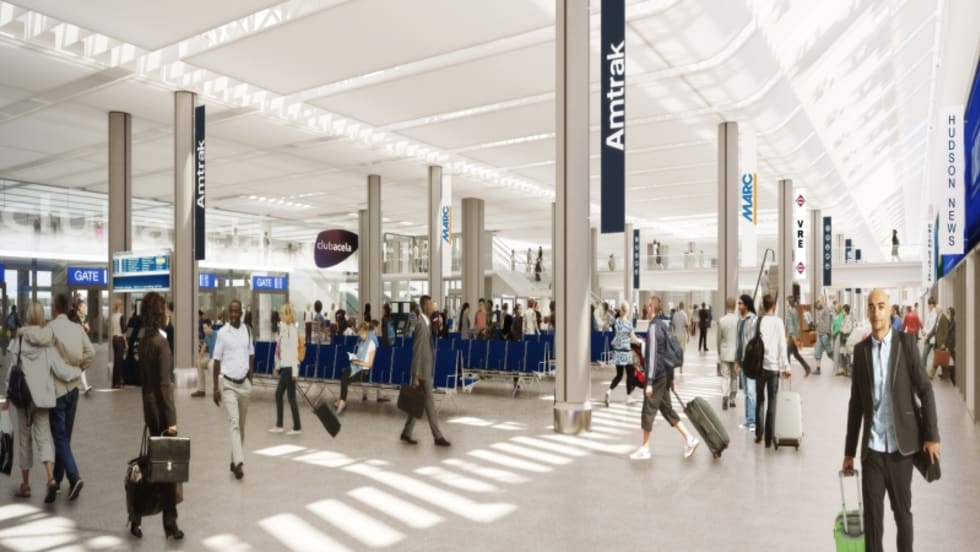
Early action construction will start in the fall of 2016 and include the relocation of heating and ventilation. Full-phased construction, funded by the new investment package, is anticipated to start in 2017 and will seek to minimize impacts to all station users.
Read More →
Combined with $25 million a year in tribal formula funds, funding for Tribal Transit was increased to $30 million annually under the FAST Act.
Read More →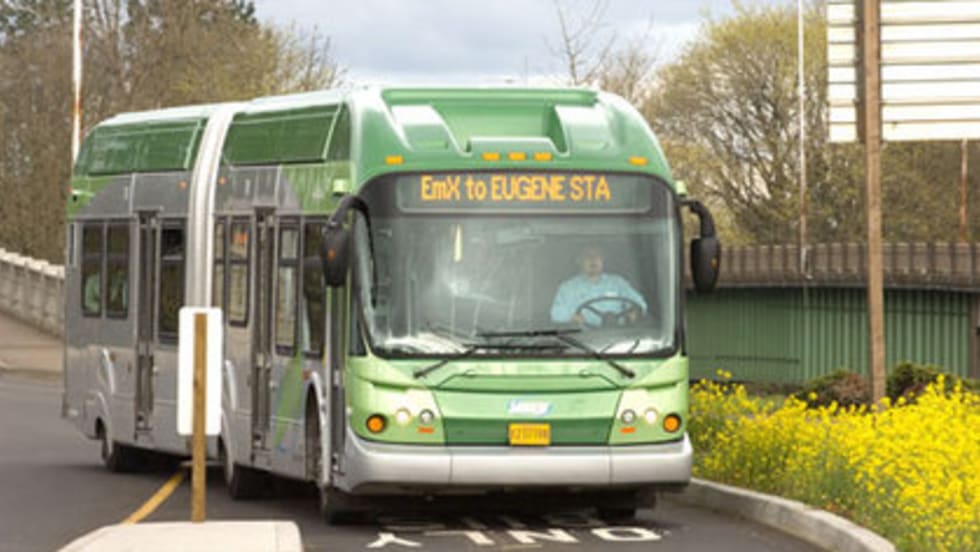
The investment focuses on increasing service on LTD’s most used routes including the EmX serving downtown Eugene, downtown Springfield and the Gateway area, Route 11 serving Springfield’s Thurston area, and Routes 66 and 67 serving North Eugene.
Read More →
A record number of such measures are on ballots across the country, reflecting an increased interest in meeting the growing demand for public transportation by local and state action.
Read More →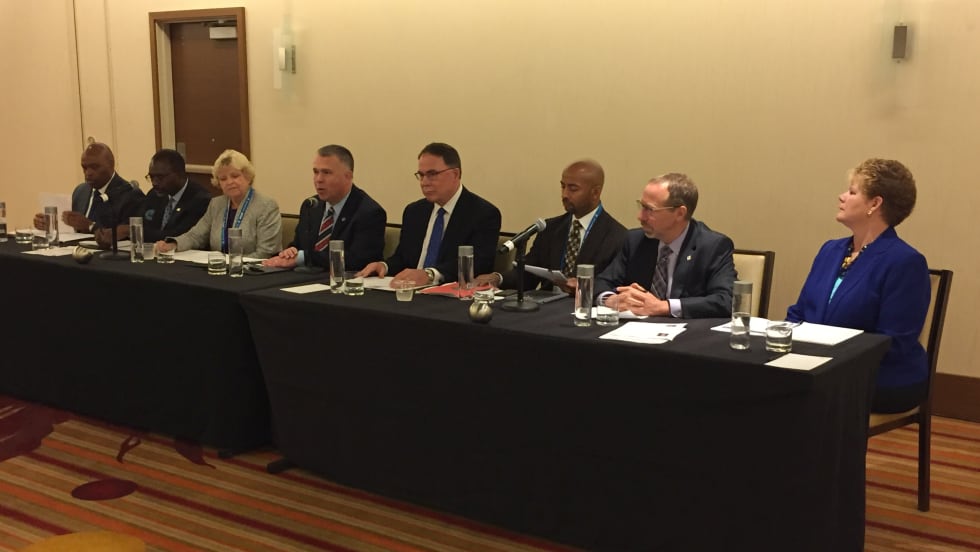
Public transit leaders came together to discuss ballot measures across the country.The press conference was held at the APTA 2016 Annual Meeting held in Los Angeles.
Read More →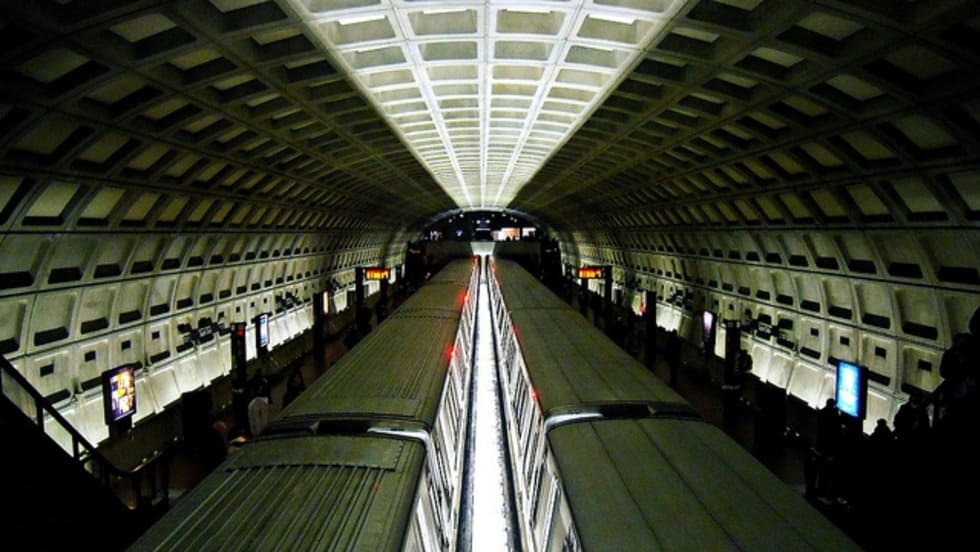
The $900,000 in funds will be used to hire contractors to specifically participate in FTA’s oversight efforts in an effort to eventually transfer that knowledge and expertise to the new Metrorail Safety Commission.
Read More →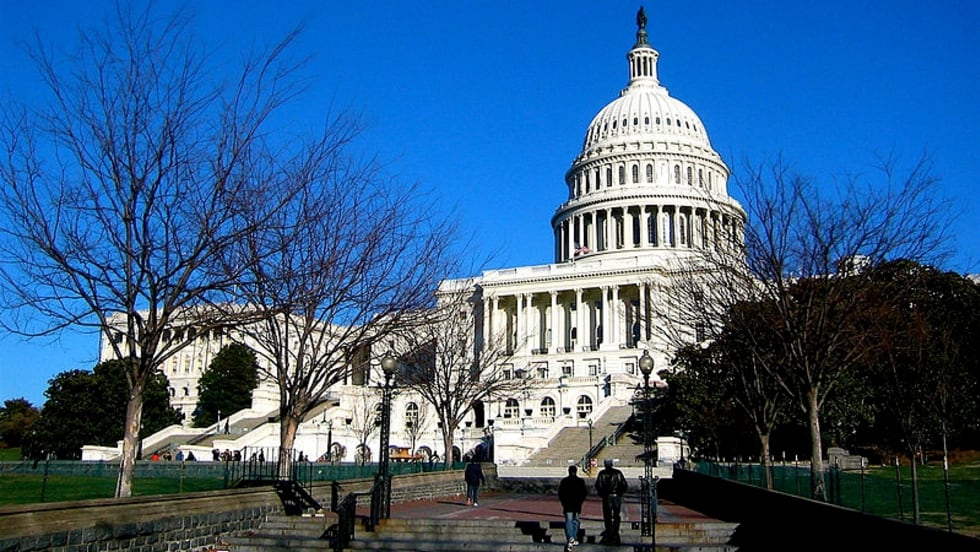
I wrote last time that, once again, everyone agrees that funding for infrastructure must be increased but disagree on how to pay for it. Since then, both major U.S. political parties’ platforms have been voted on in this presidential election year, and they were true to the previous pattern, but could not be more different this time.
Read More →