
Metro Magazine

 MENU
MENU SEARCHMENUSEARCH
Loading data...
Bus operations will continue with regular service while a vote by the full union membership is scheduled for Thursday. Both parties have been in contract negotiations throughout the summer and fall.
Read More →
Will double the length of the existing light rail system, create new development opportunities along the line, and significantly expand transit options for thousands of residents and students in the rapidly growing Charlotte region.
Read More →CATS' Brian Marshall had recently been criticized by the board for not providing a business plan for tax revenues generated after passing a 10.6-millage tax last April.
Read More →The initial 1.5-mile section will include six stops along an east-west transit corridor that will make it easy for passengers to catch either a local transit bus or board the LYNX light rail.
Read More →The agency originally initially projected 9,100 people would ride the light rail line every day. The line currently averages 15,500 riders daily.
Read More →The 9.3 mile LYNX Blue Line light rail extension will add service along what will become an 18.6-mile corridor in Northeast Charlotte and will help to reduce congestion along Interstate 85 and US 29, where commercial and residential growth is expected to continue.
Read More →FTA granted the transit system a waiver so it could provide “limited charter service” during the Democratic National Convention. Decision comes after the ABA asked regulators not to grant the waiver to CATS to use its buses to transport people with disabilities and other accessibility issues.
Read More →Crews are installing floors, paths, customer service centers, air conditioned tents, picnic tables and restrooms. The agency is shutting down the regular transit center because of security concerns. It will run all bus routes, but will detour around DNC-related street closures.
Read More →In its letter to the U.S. DOT, ABA argues that Charlotte officials have not exhausted all efforts to find privately operated motorcoaches to provide charter service to meet the demands of the upcoming Democratic National Convention.
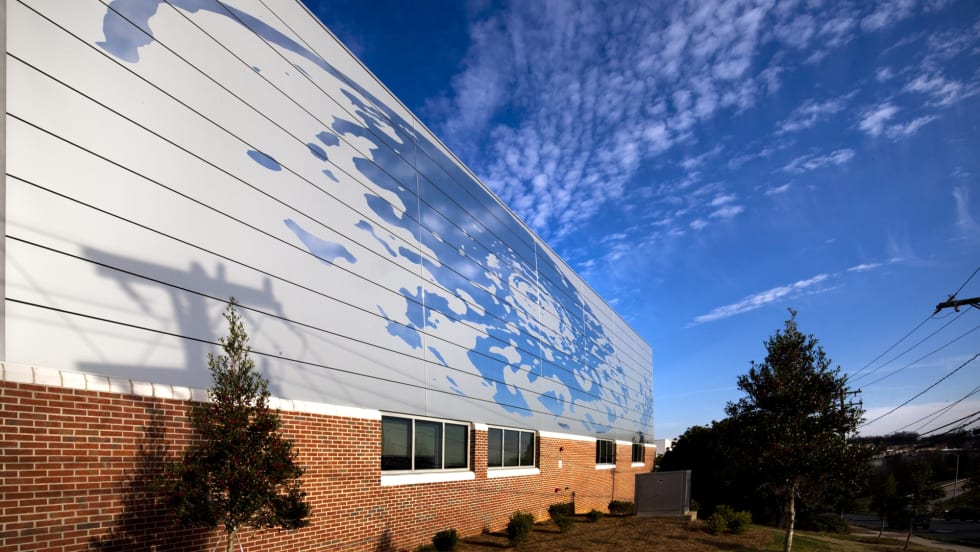
Read More →N.C. artist Jimmy O’Neal built his own cymascope to produce visuals based on the key and frequency of each sound he recorded in buses and bus facilities. The end result is an ever-changing public artwork only dependent upon daily and seasonal atmospheric changes to alter the viewer’s perception.
Read More →