
Metro Magazine

 MENU
MENU SEARCHMENUSEARCH
Loading data...

The decision is based upon assurances from the Cincinnati business and philanthropic communities that they will work with the agency in public-private partnership to secure the funds required. The FTA has also agreed to serve as a resource.
Read More →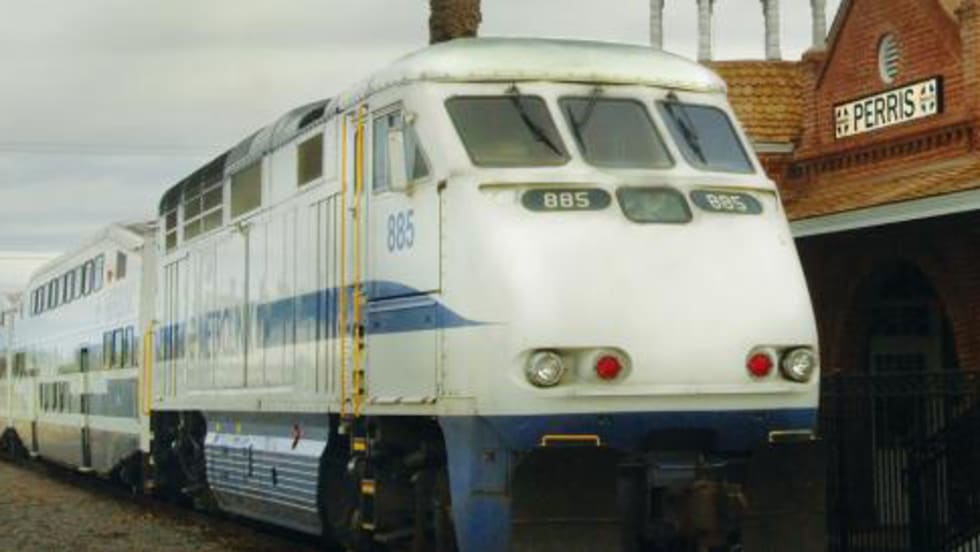
The 24-mile Perris Valley Line will serve the California communities of Alessandro, Moreno Valley and Perris and improve transit options for commuters east and south of downtown Riverside.
Read More →The Sugar House Streetcar project complements Utah Transit Authority’s FrontLines 2015 Program — a roughly $2.5-billion effort to build 70 miles of rail in seven years. The project was funded in part by a $26 million TIGER grant.
Read More →The approval comes following the submittal of the project’s Environmental Assessment, required to understand the extension’s effect on its neighboring environment and to continue to receive federal funds.
Read More →Will replace the Maryland Transit Administration’s aging Kirk Avenue bus maintenance garage, which was built in 1947. The new facility will include two energy-efficient buildings that allow for improved maintenance and storage of approximately 175 buses.
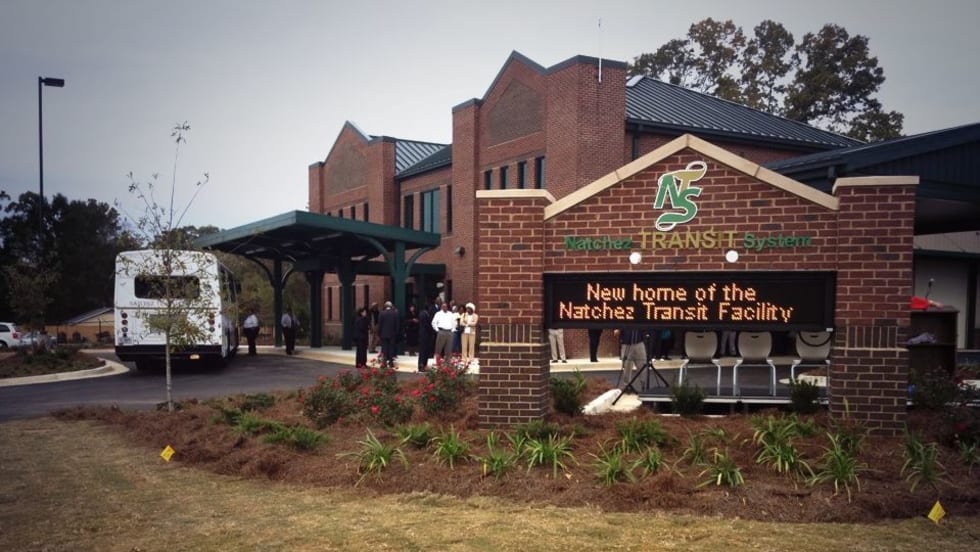
Read More →The Natchez Regional Transit Center and Maintenance Facility will serve as a regional passenger transfer hub for the Natchez Transit System. The FTA provided approximately $3.8 million, with the majority of funds coming from ARRA, while the City of Natchez and Mississippi Department of Transportation covered the rest of the costs.
Read More →Will feature new and more reliable equipment to improve the maintenance of 160 buses and accommodate newer, alternative fuel buses that require space and equipment that doesn’t exist at the current garage.
Read More →The grants will help transit agencies strengthen operational safety, better withstand natural disasters and other emergencies, and improve emergency response capabilities.
Read More →Bergen Community College's shuttles will transport students between the school’s Lyndhurst and Paramus campuses. A three-year Congestion Mitigation and Air Quality grant from the FTA for $211,612 each year is supporting the service.
Read More →Bloomberg data shows that at least $10 billion of Grant Anticipation Revenue Vehicles sold by states or transit systems and backed by federal highway or transportation aid are outstanding in the $3.7 trillion muni market. While federal funds will continue to pay debt on the highway bonds, appropriations for the securities through the FTA would be affected by the shutdown.
Read More →