



SolTrans, Taps AMPLY Power to Simplify Electric Bus Fleet Charging
Unique to this application, AMPLY is operating its cloud-based software in conjunction with the fueling of SolTrans buses that run on CNG.
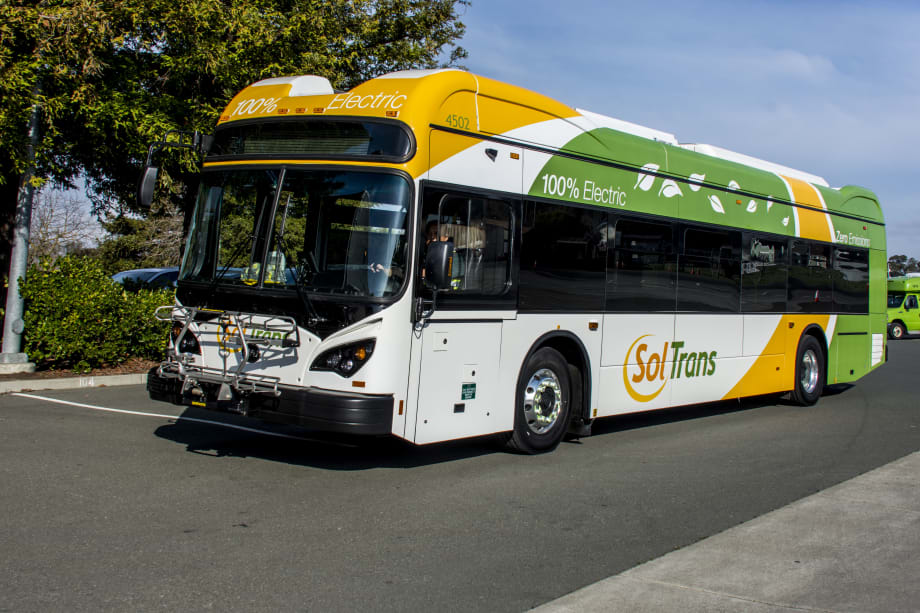
At SolTrans' Facility, AMPLY Power installed a cloud-based smart charging system that monitors the charging status and power levels in real-time, deploying algorithms to minimize utility demand and time-of-use rate charges.
AMPLY/SolTrans
Bringing California closer to its goal to transition all public transit agencies to 100%t zero-emission bus fleets by 2040, AMPLY Power is managing the charging of electric buses for SolTrans, a public transportation provider for south Solano County, Calif. Unique to this application, AMPLY is operating its cloud-based software in conjunction with the fueling of SolTrans buses that run on CNG.
Soltrans' operations and maintenance facility is now optimized for energy use and demand charge avoidance through AMPLY’s hardware-agnostic software solution and operational processes.
At SolTrans' Facility, AMPLY Power installed a cloud-based smart charging system that monitors the charging status and power levels in real-time, deploying algorithms to minimize utility demand and time-of-use rate charges. The company’s cloud-based system keeps utility costs down by optimizing EV charging and other energy use in the depot’s operations. When the CNG compressors turn on, AMPLY Power immediately reduces or suspends the EV charging stations to ensure that the 15-minute power will not increase electricity demand costs. This is believed to be a first for managing total fuel costs across vehicle types.
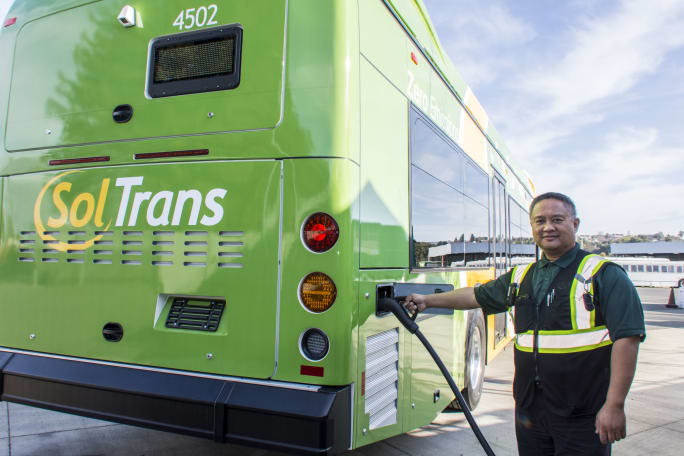
When the CNG compressors turn on, AMPLY Power immediately reduces or suspends the EV charging stations to ensure that the 15-minute power will not increase electricity demand costs.
AMPLY/SolTrans
Recently, SolTrans announced it would increase its service to riders as the state reopens from the shelter-in-place orders brought on by the novel coronavirus COVID-19 pandemic. As the transit agency continues to expand its electric bus fleets towards the 2040 statewide goal, it hopes to do its part in making air pollution reduction enjoyed by some communities in the past few months more permanent.
Currently, the transit agency’s fleet consists of 44% non-diesel vehicles; Bay Area Air Quality Management District funded two of the four battery-electric buses, one CNG bus, and 21 diesel-hybrid buses. In addition, it is running two CNG paratransit vehicles, and 16 in its SolanoExpress fleet. SolTrans has four charging stations at its operations and maintenance facility. SolTrans' ridership for the most recent data available was just over 1.4 million one way rides a year.
More Zero Emissions

Building a Flexible Path to Transit Electrification with BAE's John Hroncich
John Hroncich discusses BAE Systems’ modular and scalable approach, lessons learned from decades of real-world operations, and how agencies can identify electrification strategies that fit their fleets.
Read More →
LA Metro Board Awards 220 Battery-Electric Bus Contract to ENC
The contract, which is the largest base award of battery-electric buses by a U.S. transit agency, will be built in Southern California, sustaining good jobs as LA prepares to welcome the world in 2028
Read More →
Public Transit Conference Returning to GFX in 2027, Call for Papers Now Open
The Call for Papers is now open, allowing transit agency professionals and industry experts to help shape the PTC educational program by submitting session ideas for consideration.
Read More →
Report: Transit Bus Manufacturing Supports 34,100 Jobs, $5.1B in GDP
The “Buses Mean Business” report examines the transit bus manufacturing industry’s economic footprint, supply chain, and rising demand for vehicle replacements.
Read More →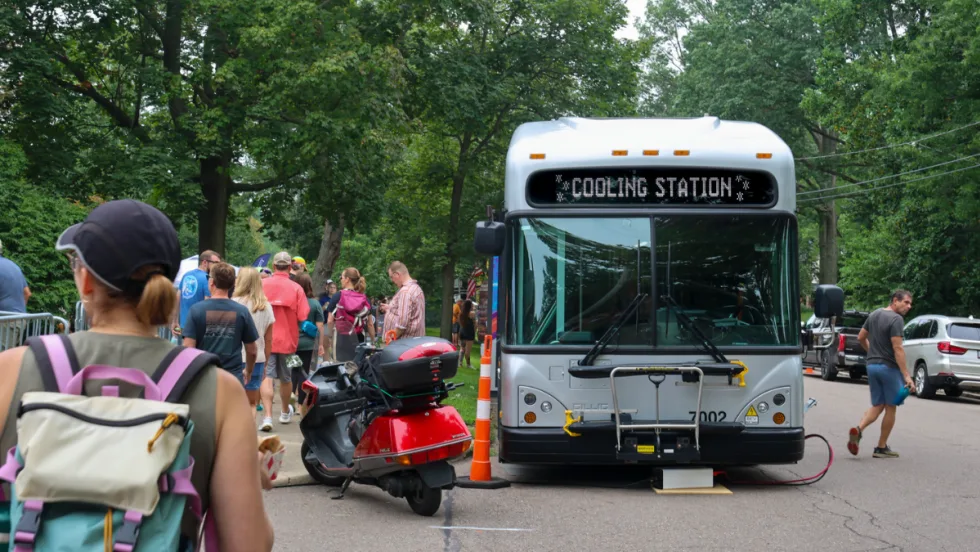
Ohio’s METRO RTA Turns Electric Buses into Mobile Power Sources at PorchROKR
See how three Gillig battery-electric buses powered festival stages while the agency’s new Park & Ride service carried approximately 1,000 attendees, demonstrating another potential use for transit agencies’ electric fleets.
Read More →
CALSTART and Forth Combine to Form Catalyst Mobility
The new name represents a renewed vision for the nonprofit focused on advancing clean, equitable, and affordable transportation solutions that move people and goods.
Read More →
Building a Flexible Path to Transit Electrification
John Hroncich discusses BAE Systems’ modular and scalable approach, lessons learned from decades of real-world operations, and how agencies can identify electrification strategies that fit their fleets.
Read More →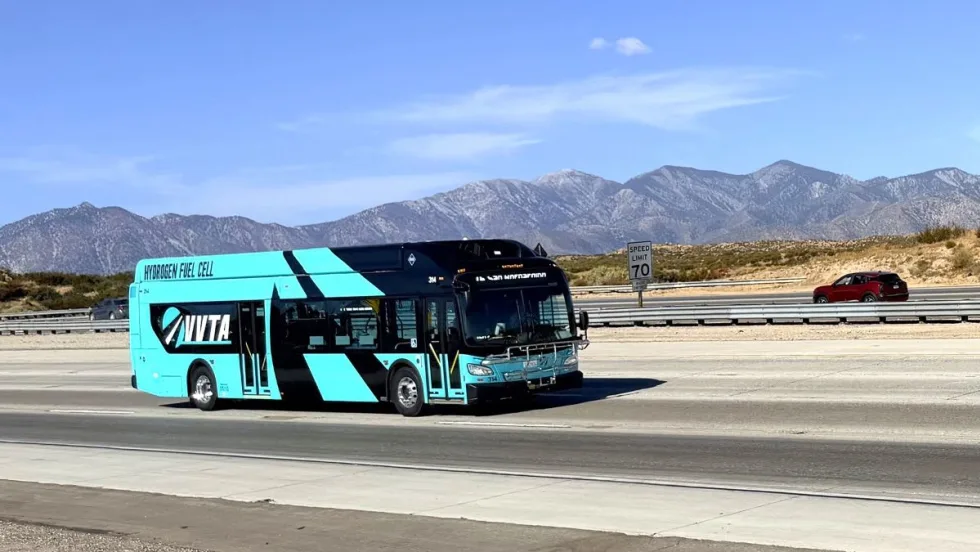
California's VVTA Begins Phased Rollout of Hydrogen Fuel Cell Buses
The agency is introducing 13 zero-emission buses into revenue service while evaluating performance across its urban, rural, and long-distance routes.
Read More →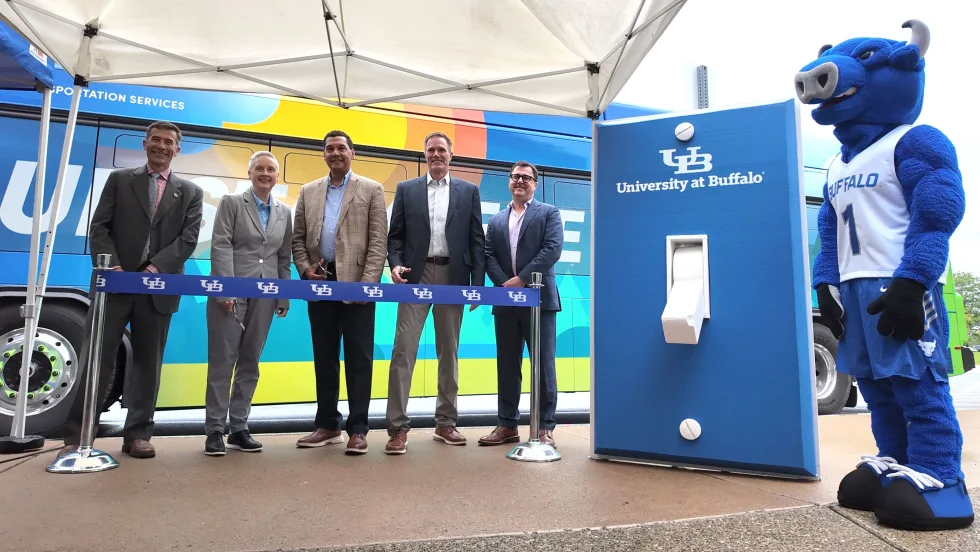
Inside Look: University at Buffalo Puts First 8 Electric Buses Into Stampede Service
UB, transportation solutions provider WeDriveU, and fleet electrification specialist Zenobē marked the deployment in the presence of students, university administrators, and local officials.
Read More →
Biz Briefs: OCTA Taps Clean Energy for Hydrogen Station, Stadler to Supply Via Rail Vehicles, and More
From manufacturers and suppliers to transit agencies and motorcoach operators, these updates offer a snapshot of the projects, partnerships and business moves driving the industry forward.
Read More →