



Calif.'s Tri Delta Transit saves 40% on electric bus charging energy costs
AMPLY was brought in during the fall of 2019 to simplify Tri Delta's charging operations and address challenges presented by previously installed hardware.

AMPLY Power
Beyond managing charging operations with a depot's existing hardware, AMPLY offers a comprehensive Charging-as-a-Service to fleet owners. AMPLY Power
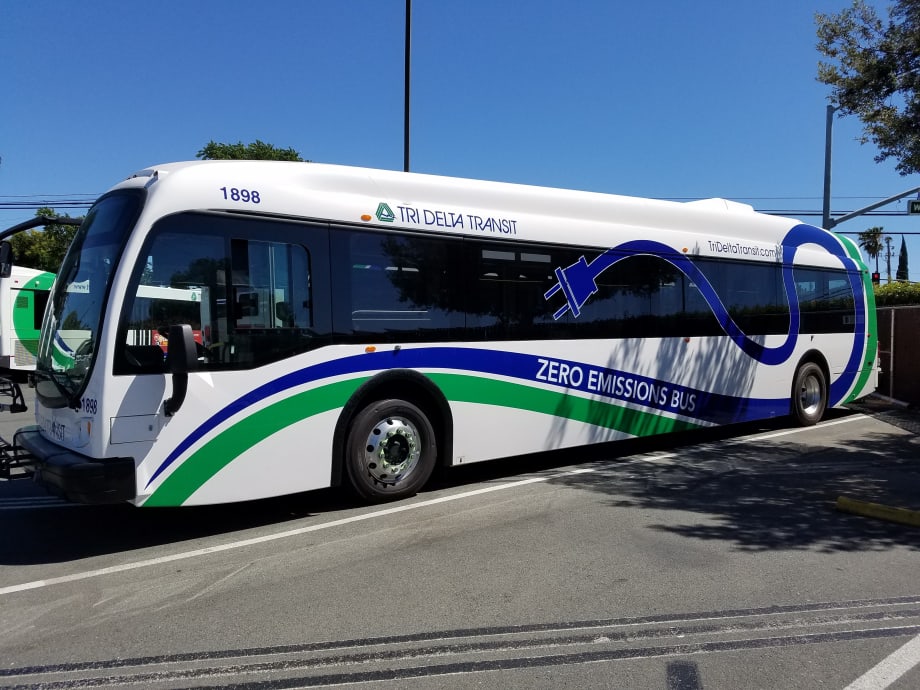
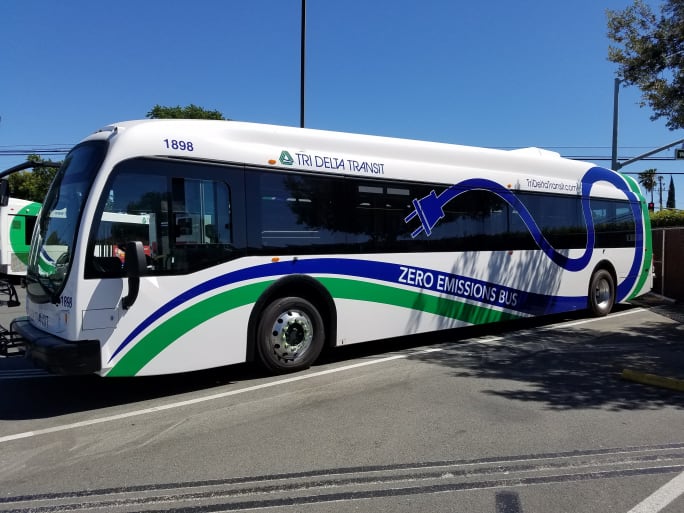
Supporting California's goal to transition all public transit agencies to 100% zero-emission bus fleets by 2040, AMPLY Power is managing the charging of electric buses for Calif.’s Eastern Contra Costa Transit Authority, operating under the name Tri Delta Transit. AMPLY identified 40% of annual energy savings its managed charging software platform could realize, while guaranteeing vehicles were charged and ready to work each day.
Tri Delta Transit launched its electric bus program in 2018. AMPLY was brought in during the fall of 2019 to simplify Tri Delta's charging operations and address challenges presented by previously installed hardware. Tri Delta Transit equipment includes buses from Proterra and BYD and associated charging infrastructure systems. The project illustrates how the AMPLY offering is agnostic to a variety of buses and chargers regardless of manufacturer.
AMPLY's cloud-based smart charging system monitors the charging status and power levels in real-time, deploying algorithms to minimize utility demand and time-of-use rate charges. Using this real-time status, allows the company's system to forecast when the vehicles will be ready-to-go, and once the vehicles are out delivering passengers, AMPLY's system can track their return state-of-charge battery level and length of time to recharge. For Tri Delta, this is realizing up to 40% savings on energy rates.
"We monitor the chargers and catch error codes to improve charger uptime, and its database collects all the information Tri Delta needs to confidently move down their electrification roadmap," said Rob Kelly, VP, business development, AMPLY.
Additionally, as a regulated fuel supply entity with CARB, AMPLY supported Tri Delta Transit in monetizing its low-carbon fuel standard (LCFS) credits. Such savings and LCFS credits can be reinvested into operations to accelerate a transit authority's ability to adopt a zero-emissions future.
Beyond managing charging operations with a depot's existing hardware, AMPLY offers a comprehensive Charging-as-a-Service to fleet owners. The offering includes managing utility administration and interconnection, as well as establishing an optimal charging strategy based on drive and duty cycles. This service can also provide debt financing or secure grant funding to reduce capital expenditures and implement resiliency plans as needed. Additionally, the company is available to perform onsite operations maintenance services, and invest in technology upgrades as the needs of a fleet evolve.
More Zero Emissions
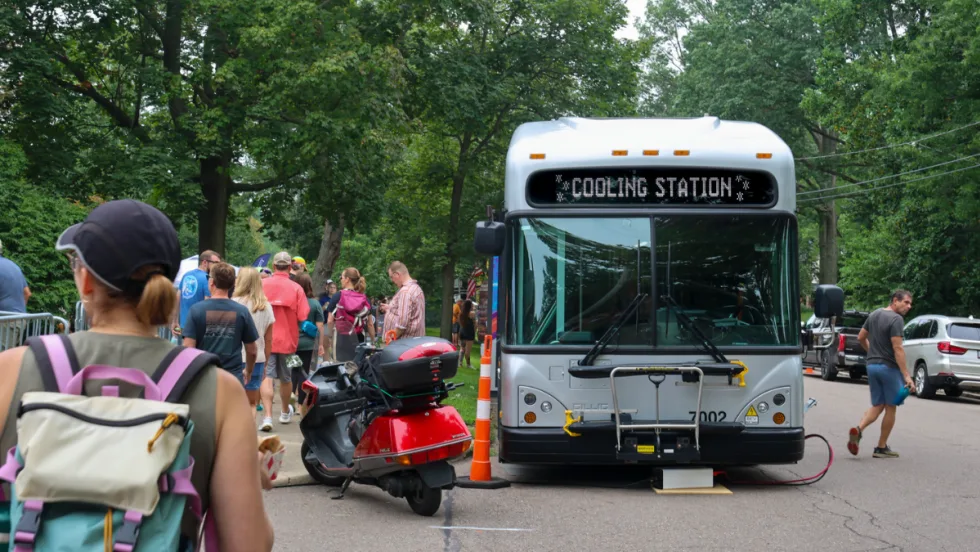
Ohio’s METRO RTA Turns Electric Buses into Mobile Power Sources at PorchROKR
See how three Gillig battery-electric buses powered festival stages while the agency’s new Park & Ride service carried approximately 1,000 attendees, demonstrating another potential use for transit agencies’ electric fleets.
Read More →
CALSTART and Forth Combine to Form Catalyst Mobility
The new name represents a renewed vision for the nonprofit focused on advancing clean, equitable, and affordable transportation solutions that move people and goods.
Read More →
Building a Flexible Path to Transit Electrification
John Hroncich discusses BAE Systems’ modular and scalable approach, lessons learned from decades of real-world operations, and how agencies can identify electrification strategies that fit their fleets.
Read More →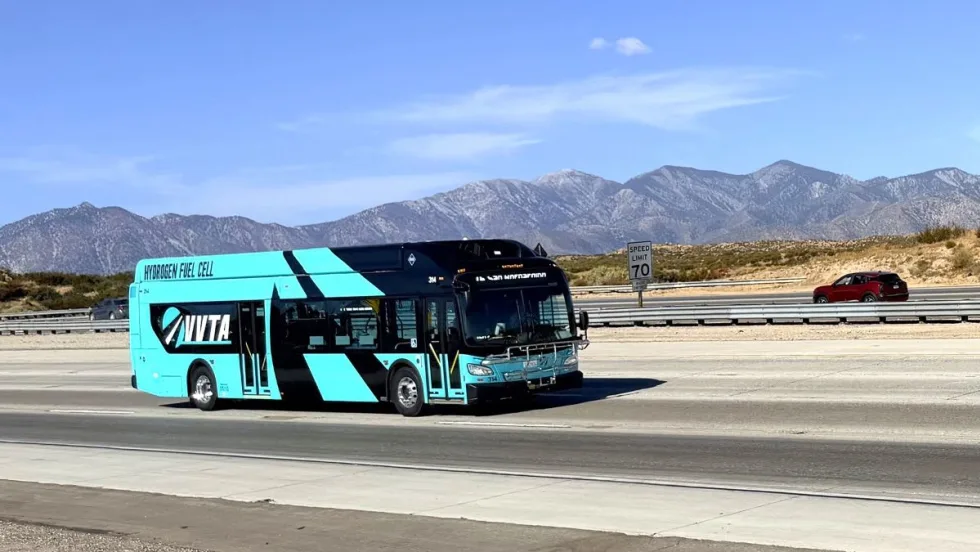
California's VVTA Begins Phased Rollout of Hydrogen Fuel Cell Buses
The agency is introducing 13 zero-emission buses into revenue service while evaluating performance across its urban, rural, and long-distance routes.
Read More →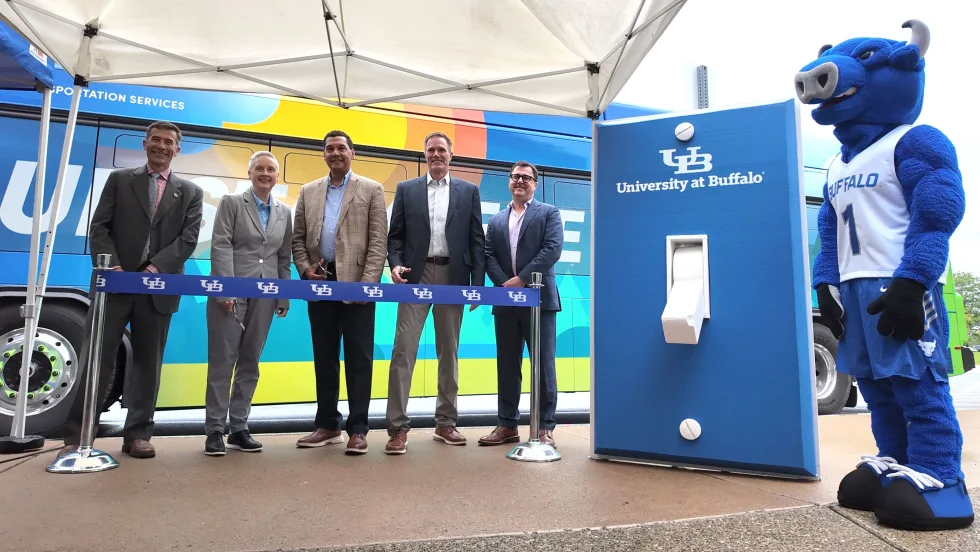
Inside Look: University at Buffalo Puts First 8 Electric Buses Into Stampede Service
UB, transportation solutions provider WeDriveU, and fleet electrification specialist Zenobē marked the deployment in the presence of students, university administrators, and local officials.
Read More →
Biz Briefs: OCTA Taps Clean Energy for Hydrogen Station, Stadler to Supply Via Rail Vehicles, and More
From manufacturers and suppliers to transit agencies and motorcoach operators, these updates offer a snapshot of the projects, partnerships and business moves driving the industry forward.
Read More →
AC Transit’s Cecil Blandon on Building the Next Generation of Transit Maintenance Leaders
The agency’s maintenance chief discusses leadership, workforce development, zero-emission technology, and preparing technicians for the future of public transportation.
Read More →
CTDOT Taps STV for Electric Bus Facility Design
The firm will work with CTDOT and RVT to define the facility layout, operational requirements, and long-term flexibility for RVT’s growing electric fleet.
Read More →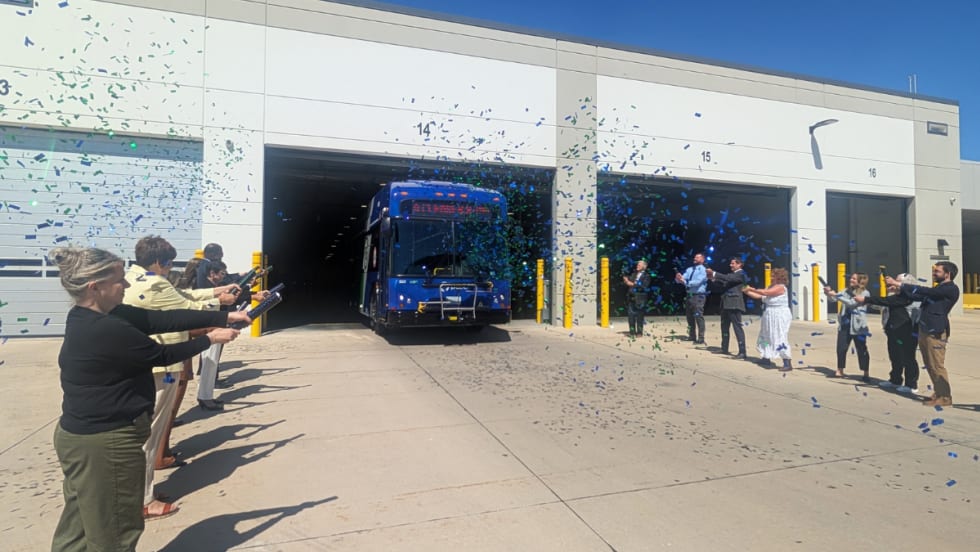
Chicago’s Pace Deploys 24 Hybrid-Electric Buses in Will County
The new buses reduce emissions and fuel consumption while advancing the agency's long-term goal of transitioning to a fully zero-emission fleet.
Read More →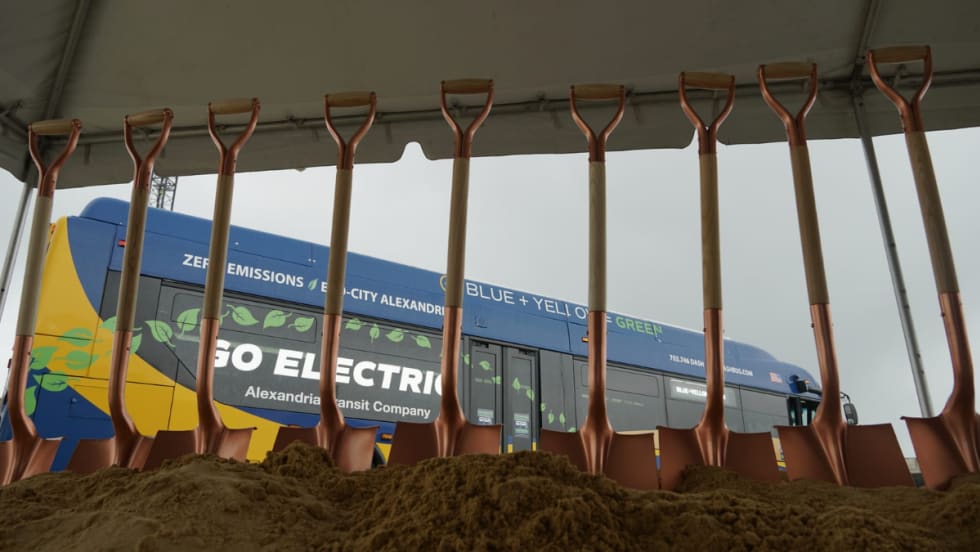
DASH Breaks Ground on First On-Route Electric Bus Chargers in D.C. Region
The fast-charging infrastructure will help extend electric bus range, improve fleet utilization, and support DASH's goal of transitioning to a fully zero-emission fleet.
Read More →