



LA Metro Ridership Rise Continues, Weekend Playing Major Factor
Metro’s monthly bus and rail ridership is now at 81% of its 2019 pre-pandemic level. Average weekend ridership is now at 91% of pre-pandemic level and 76% for average weekdays.


Weekend ridership was driven in part by special events, according to LA Metro.
L.A. Metro
The Los Angeles County Metropolitan Transportation Authority (Metro) shared that in June the agency had a 13.3% year-over-year increase in ridership with nearly 24 million boardings, marking the seventh consecutive month of year-over-year ridership growth.
Metro’s monthly bus and rail ridership is now at 81% of its 2019 pre-pandemic level. Average weekend ridership is now at 91% of pre-pandemic level and 76% for average weekdays.
L.A.’s June Ridership
In June, Metro had 23,824,620 passengers board its bus and rail services. An average of 866,670 rides were taken each weekday, with Saturday boardings averaging 646,743 and Sunday boardings averaging 542,727. Ridership recovery continues to be stronger on the weekends than the weekdays, with average boardings on Saturdays, reaching almost 89% of their (June 2019) pre-pandemic level and average boardings on Sundays reaching almost 94% of their (June 2019) pre-pandemic level.
Bus ridership continued to lead overall with 18,679,084 rides taken during the month, and total bus ridership in June 2023 was almost 84% of its level in June 2019, before the pandemic. Metro has made a concerted effort to restore bus ridership, which accounted for 78.4% of its overall ridership in June. The agency has hired more than 1,000 bus operators since declaring an operator shortage in February 2022, and it fully restored its pre-pandemic level of service in December 2022.
In addition, the agency, in partnership with the City of Los Angeles, has installed more than 30 miles of bus priority lanes, the most recent of which opened on Venice Blvd. in June.
More than five million (5,145,536) trips were taken on the rail system in June, an increase of 14.2% over June 2022. Rail ridership growth was led by gains on the B Line (Red)/D Line (Purple) subway. Average weekday ridership on the B Line and D Line is up 15.5% year-over-year, and up 5.6% since January 2023. Average Sunday ridership on the B Line and D Line now exceeds its level in June 2019, before the pandemic.
Weekend Ridership Boost
Weekend ridership was driven in part by special events on the weekends such as the Pride Parade, Pride Night at Dodger Stadium, Pride in the Park, and CicLAvia South L.A. The opening of the Regional Connector stations in the Little Tokyo/Arts District, Historic Broadway and Grand Av Arts/Bunker Hill also generated some excitement, with more than 100,000 riding the new A and E lines on opening day. More than 82,000 people continued to ride the new lines over opening weekend.
"Metro’s three new downtown stations stitched together the A, L and E lines, and made getting around Los Angeles easier and more fun," said Metro CEO Stephanie Wiggins. "Our riders can now easily visit downtown restaurants and events, and travel through three beautiful art filled stations which are quickly becoming destinations in themselves."
Metro has taken proactive steps to ensure its transit service is safe, friendly, fast, and frequent by:
Implementing a new multi-layered public safety approach to increase the visible presence of both armed and unarmed security and customer care personnel on the system.
Executing a Drug-Free Metro campaign focused on drug-related crimes with increased enforcement by our law enforcement partners targeting the hotspots throughout the system resulting in cleaner, safer transit experiences for our riders
Engaging more than 300 Metro Ambassadors to help customers navigate the transit system and improve their experience.
Hiring more than 1,000 new transit operators to ensure adequate staffing levels for buses and trains.
And fully restoring bus service making many lines faster and more frequent.
Metro also continues to provide more accessible and affordable transit through its fareless and reduced-price transit pass programs. Metro’s GoPass program offers free transit passes to K-12 and community college students in participating schools, and Metro’s Low-Income Fare is Easy (LIFE) program, gives free rides and discounted fares to people with low incomes.
More Management
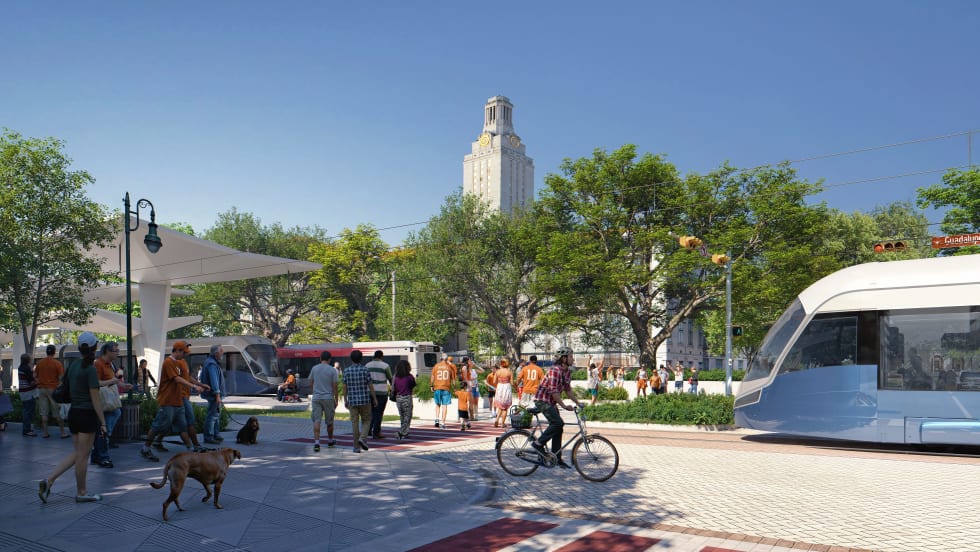
Bringing Austin’s First Light Rail System to Life
Austin Transit Partnership CEO Greg Canally discusses the city's nearly 10-mile light rail project, its collaborative approach to project delivery, the importance of community engagement, and the milestones ahead as construction approaches in 2027.
Read More →
ETA CEO John Maglio on Transit Technology, Innovation, and Building Agency Trust
ETA founder and CEO John Maglio explores the evolution of transit technology, the importance of reliable systems, and how stronger partnerships can help agencies improve operations and the passenger experience.
Read More →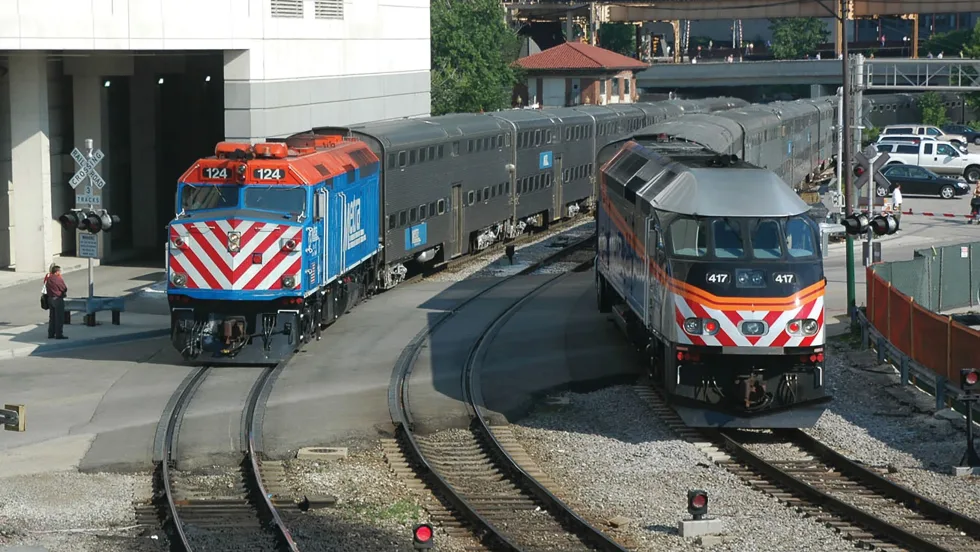
Metra Draft Plan Outlines Costs, Service Improvements for Regional Rail
The Systemwide Network Plan identifies infrastructure needs and potential investments to expand all-day, bidirectional rail service across the Chicago region.
Read More →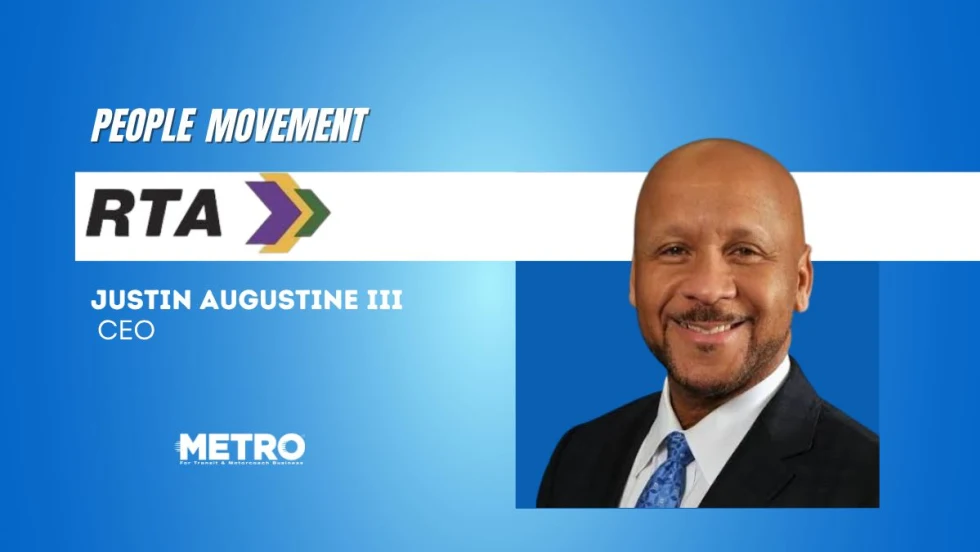
New Orleans RTA Names Augustine III as New CEO
In this edition, we also spotlight recent personnel moves at HDR, PATH, STV, and more, highlighting the people taking on new roles across the transportation industry.
Read More →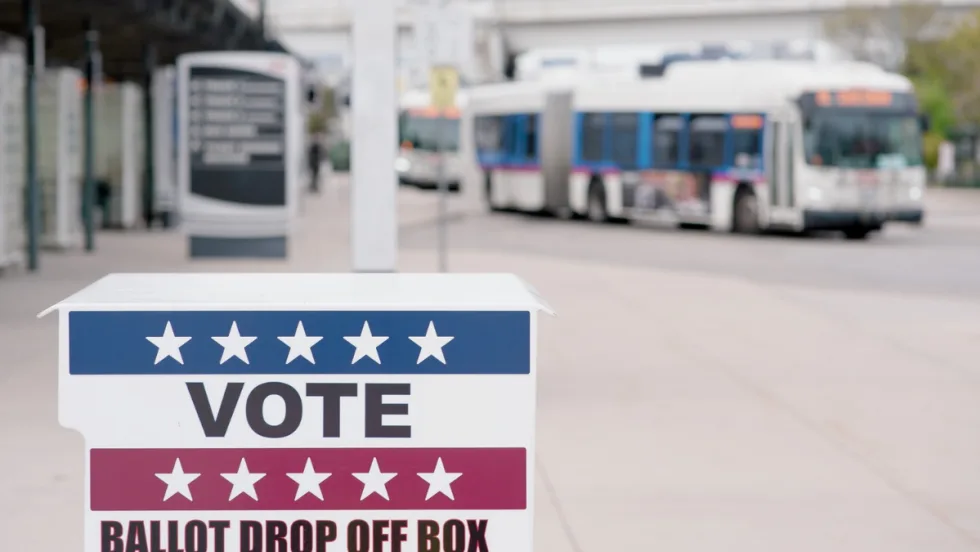
How Transit Agencies Are Using Free Rides to Improve Voting Access
Transit agencies are using fare-free service, trip-planning tools, and targeted rides to improve voting access. See what other agencies can learn from these efforts.
Read More →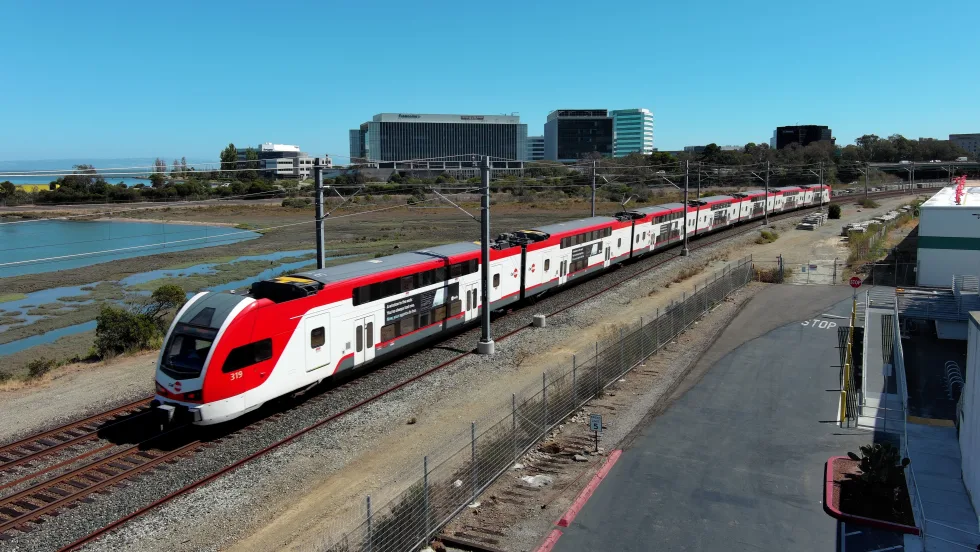
Caltrain’s Electrification Drives a New Era of Ridership Growth
The railroad’s shift to electric service has brought more frequent trains, stronger customer satisfaction, and increased ridership, earning it APTA’s Outstanding Public Transportation System award.
Read More →
Chicago, Charlotte Transit Agencies Expand Rider Support Programs
CTA launched crisis intervention teams as CATS prepares to deploy fare ambassadors, expanding customer assistance and security efforts across both systems.
Read More →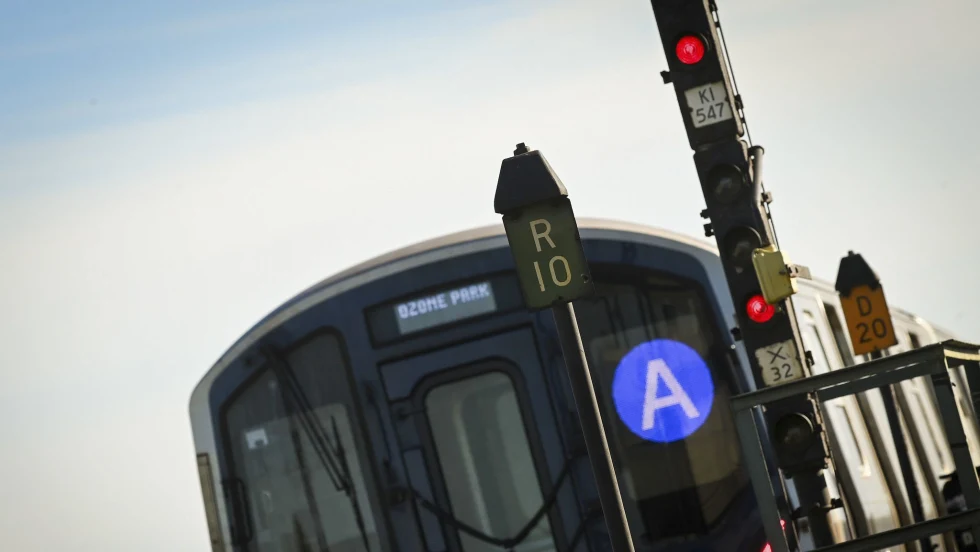
New York MTA Launches Historic $1.9B Signal, Track Modernization Project
Funded in part by congestion pricing revenue, the project will replace nearly century-old signals along the A and C lines in Brooklyn and Queens.
Read More →
Brian Dickson on Building Stronger, More Resilient Transportation Organizations
Bus Business Consultants Founder Brian Dickson discusses the leadership principles, operational discipline, and strategic planning that separate transportation companies positioned for long-term success from those stuck in survival mode.
Read More →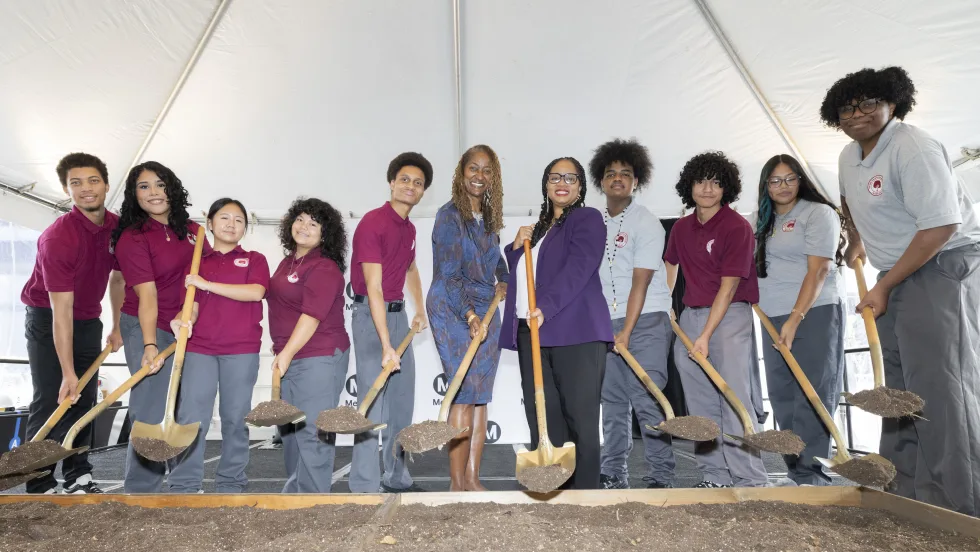
LA Metro Breaks Ground on Vermont BRT Project
The 12.4-mile corridor is projected to serve 66,200 daily riders, reduce travel times by up to 24%, and create the nation's busiest bus rapid transit corridor.
Read More →