




Read More: MBTA Announces Track Improvement Program
MBTA Aims to Boost Machinists Union Lodge 264 Retention
The Machinists Union Lodge 264 aims to improve retention and support MBTA machinists through expanded benefits and increased wages.
December 13, 2023
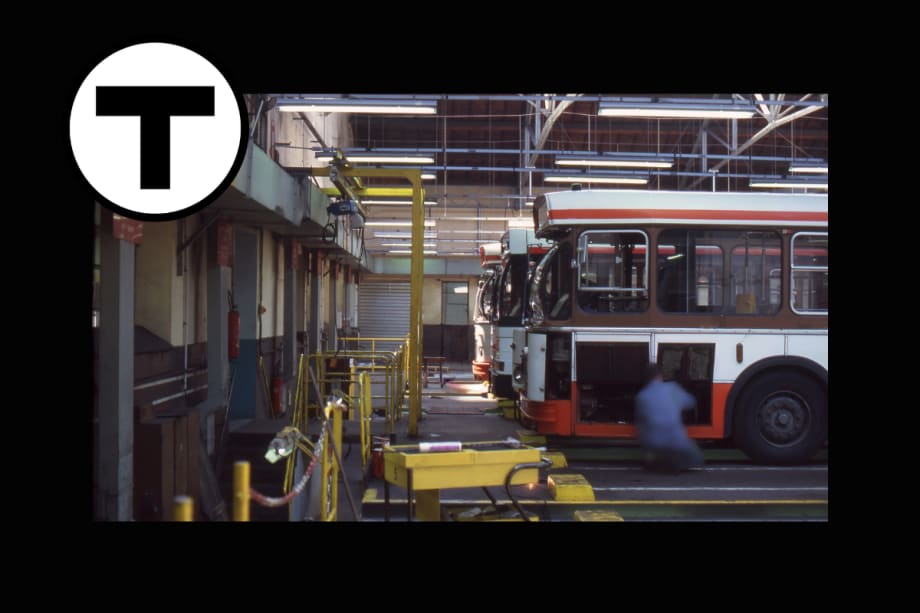
The contract is part of increased efforts by the Healey-Driscoll Administration to ensure the authority retains experienced and trained staff with the goal of shoring up MBTA workforce numbers.
Photo: METRO
3 min to read
The Massachusetts Bay Transportation Authority (MBTA) announced that its Board of Directors approved a new four-year contract between the MBTA and the Machinists Union Lodge 264.
The Machinists Union Lodge 264 aims to improve retention and support MBTA machinists through expanded benefits and increased wages.
The contract is part of increased efforts by the Healey-Driscoll Administration to ensure the authority retains experienced and trained staff with the goal of shoring up MBTA workforce numbers.
“A new four-year contract with our valued members of Lodge 264 will help give the MBTA stability with its operations,” said Transportation Secretary/CEO Monica Tibbits-Nutt. “I’d like to thank the membership for supporting this agreement and for their dedication in helping us to run safe and reliable service.”
MBTA, Machinists Union Lodge 264 Contract Details
The four-year contract, beginning July 1, 2023, and lasting through June 30, 2027, includes:
Substantial Wage Increases: Employees will receive an overall wage adjustment of approximately 18% over four years, averaging approximately 4.5% per year.
Retirement Eligible Retention Bonuses: To address current staffing shortages and retain frontline employees, the MBTA will provide a bonus to retirement-eligible employees to remain with the authority for at least another year.
Longevity Compensation Program: To recognize the contributions of the MBTA’s experienced mechanics and machinists and encourage them to remain with the authority, the MBTA will provide enhanced compensation to eligible employees upon reaching 10, 15, 20, and 25 years of service.
Expanded Bereavement Leave: The MBTA will expand the definition of bereavement leave to include domestic partners, which will allow employees to take the time they need to grieve without worrying about job security.
Increased Tool and Meal Allowances: The MBTA will increase tool and meal allowances to help offset the costs associated with these expenses.
State Vehicle Inspection Licensing Differential: Additional skills and training are required for employees to become licensed to perform state vehicle inspections, which are necessary to keep the MBTA’s buses on the road. To compensate for this additional responsibility, the MBTA will add a $2/hour differential for eligible employees.
Enhanced Holiday Pay: The MBTA will increase Thanksgiving and Christmas holiday pay for all eligible employees.
Apprenticeship Program for Machinists: The MBTA plans to establish an apprenticeship program for machinists, which will provide aspiring machinists with the training and experience they need to succeed in this field.
“This new contract agreement is an incredible step toward helping the MBTA in its efforts to improve the system by both strengthening efforts to hire more workers and supporting the current hardworking MBTA machinists and mechanics that help power the T,” said Machinists Union Lodge 264 member Mike Vartabedian. “On behalf of Machinists Lodge 264, I want to offer my thanks to Governor Healey, Secretary Tibbits-Nutt, and General Manager Eng for investing in the dedicated transportation workforce and the shared goal of providing safe, reliable transit service that best meets the needs of the riding public.”
More Management
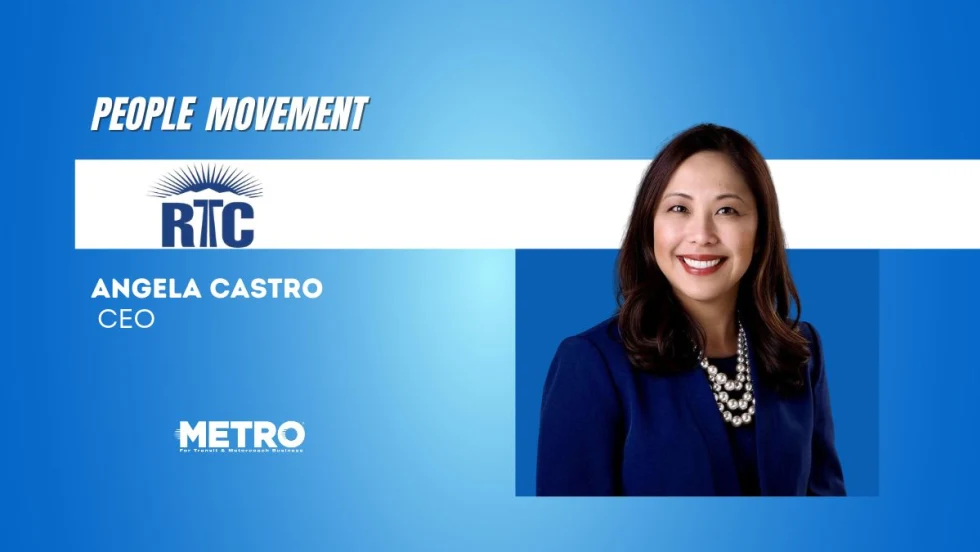
Castro to Lead RTC of Southern Nevada and More in People Movement
In this edition, we also cover recent appointments and announcements at the STV, MCI, and more, showcasing the individuals helping to shape the future of transportation.
Read More →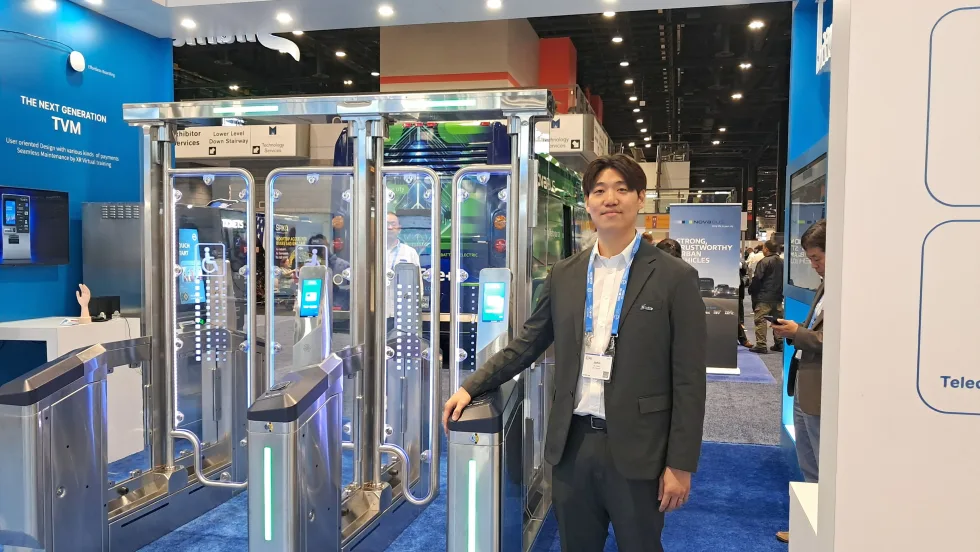
STraffic Expands North American Presence with Fare Collection Technology
John Moon, Associate Director, Product Strategy at STraffic, discusses the company's growth in North America, its efforts to reduce fare evasion, and more.
Read More →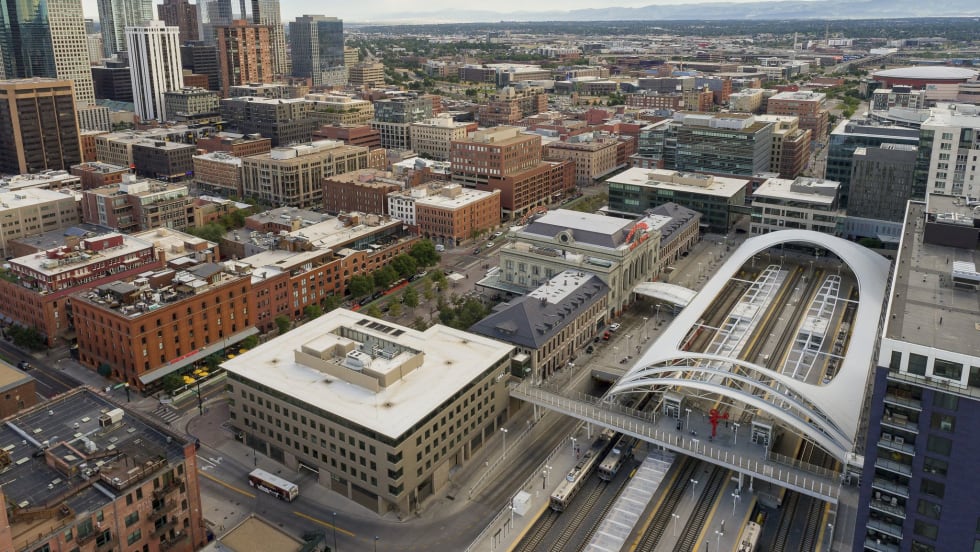
Study: Denver RTD Generates $2.1 Billion in Annual Economic Activity
An economic impact study finds the agency supports approximately 17,500 jobs, delivers $1.6 billion in annual community and mobility benefits, and generates $2.42 in economic value for every dollar invested.
Read More →
Mark Aesch Nominated to Lead Federal Transit Administration
The former Rochester transit chief and TransPro founder, who has also contributed to METRO Magazine, brings decades of industry experience and a focus on performance, accountability, and financial sustainability to the nomination.
Read More →
Best and Worst U.S. Cities for Public Transportation in 2026
A new analysis of 50 major U.S. urban areas ranks public transit systems based on accessibility, affordability, usefulness, and safety, highlighting where transit performs best and where challenges remain.
Read More →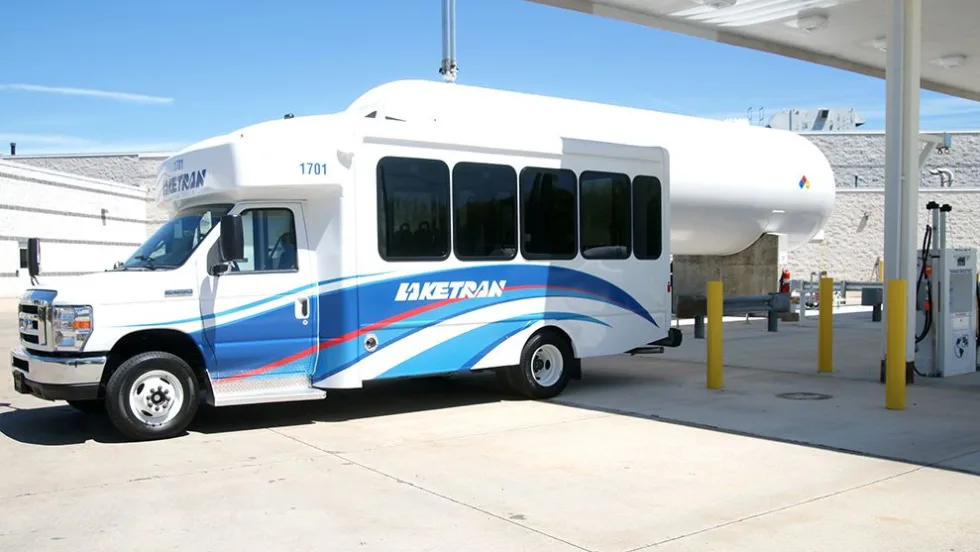
Laketran Cuts Fuel Costs, Boosts Efficiency with Propane-Powered Fleet
The Ohio transit agency is using propane-powered vehicles and on-site fueling infrastructure to cut fuel and maintenance costs while meeting growing demand for paratransit services.
Read More →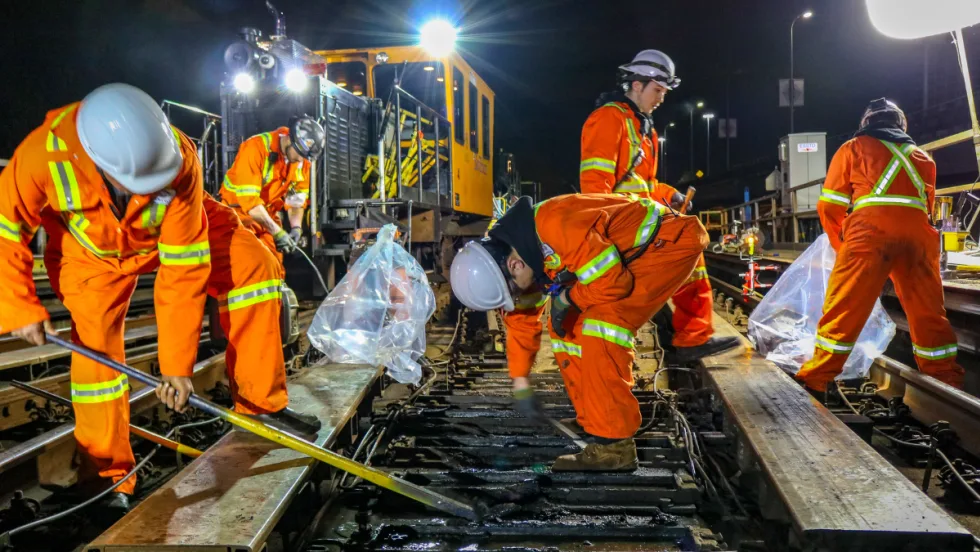
Canada’s Public Transit Supports $65.6 Billion in Annual GDP
New research from the Canadian Chamber of Commerce examines transit's economic contributions, including job creation and the financial implications of transportation investment.
Read More →
Pierce Transit Moves to Expand Fleet Following Proposition 1 Approval
The agency authorized the purchase or refurbishment of up to 60 buses to support a 47% service expansion, as voters nationwide approved billions in new transit funding.
Read More →
Right-Sizing Rural Transit: Lessons from North Grenville’s On-Demand Model
A small municipality shows how flexible service, rider needs, and public accountability can expand mobility with limited resources.
Read More →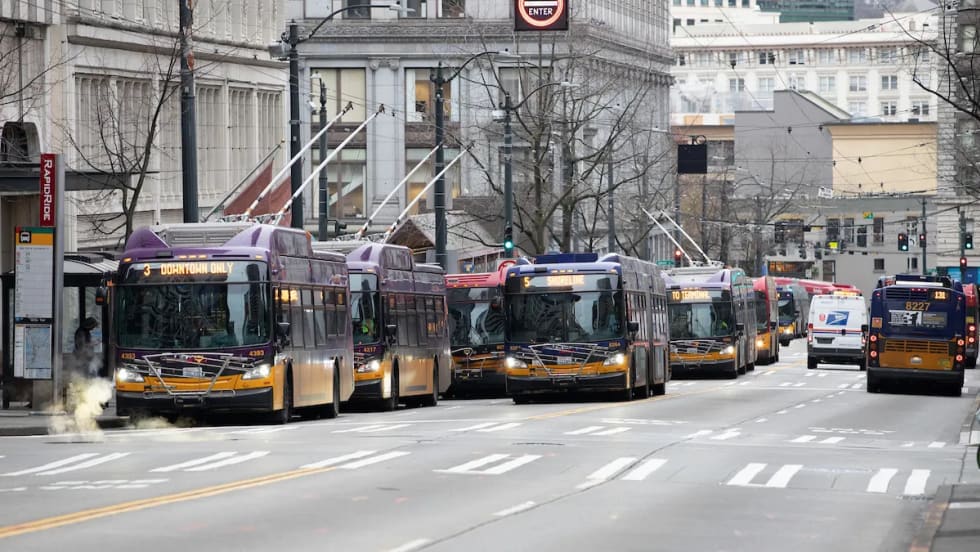
Transit Ballot Victories Signal Strong Voter Support: What Comes Next?
Voters approved billions in public transportation investments in 2026, giving agencies opportunities to preserve service, expand operations, and strengthen regional connections amid a changing political landscape.
Read More →