



Lightning eMotors to Liquidate Assets
Cordes & Company, in its capacity as receiver of Lightning eMotors, entered into an Asset Purchase Agreement to sell substantially all of the assets of the company for $12.6 million in cash, subject to adjustment.

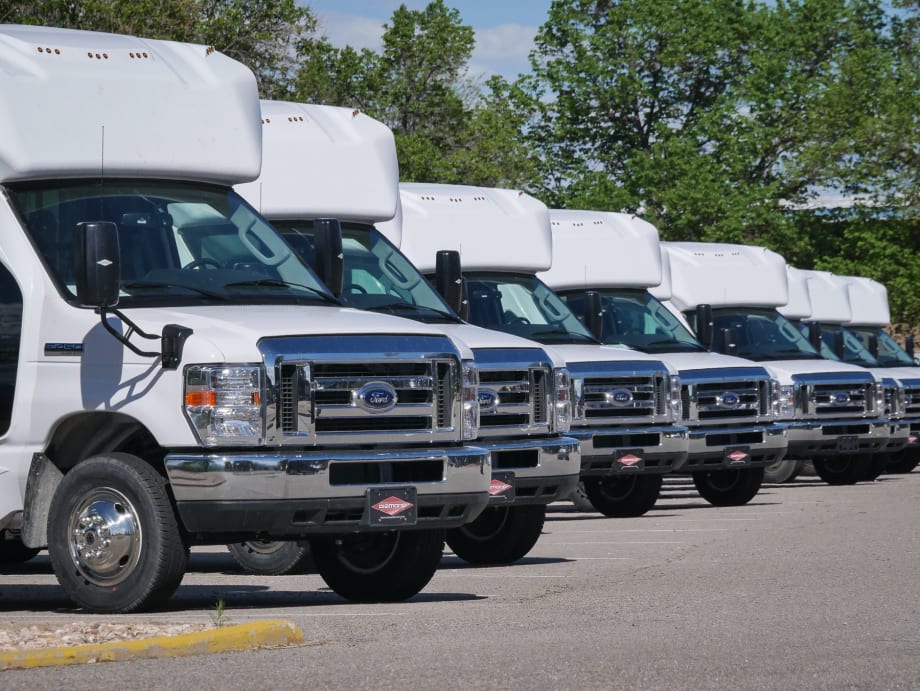
In December, the SEC approved bankruptcy advisor Cordes & Company as the receiver of all assets owned Lightning eMotors.
Photo: Lightning eMotors
Zero-emission medium-duty commercial and electric vehicle technology provider Lightning eMotors Inc. is liquidating its assets.
Cordes & Company, in its capacity as receiver of Lightning eMotors, entered into an Asset Purchase Agreement to sell substantially all of the assets of the company for $12.6 million in cash, subject to adjustment. The sale is free and clear of all liens, claims, encumbrances, interests, and liabilities, according to a press release.
The closing of the transaction is contingent upon the approval and authorization of the District Court of Larimer County, Colo., with the funds received from the closing of the transactions being distributed by the receiver to the company's creditors pursuant to their applicable priorities and as ordered by the court.
Lightning's shareholders will not receive any distributions in the receivership or as a result of the transaction, while the buyer under the Asset Purchase Agreement does not intend to carry on the business of the company, including the business of selling and servicing of zero-vehicle emission vehicles.
Lighting’s Bankruptcy Filing
In December, the Securities and Exchange Commission (SEC) approved bankruptcy advisor Cordes & Company as the receiver of all assets owned Lightning eMotors.
The filing came one day after Cupola Infrastructure Income Fund LLLP filed suit in Larimer County District Court seeking appointment of a receiver to sell the company’s assets. Lightning said in its SEC filing that it agreed to the motion and proposed order to appoint Cordes and Company as the receiver.
Cupola’s filing with Larimer County District Court listed several instances of default by Lightning.
Also, in September, Lightning received notice from the New York Stock Exchange (NYSE) indicating the staff determined to suspend trading immediately and commence proceedings to delist the shares of common stock and the redeemable warrants of the company from the NYSE.
The decision was reached by the NYSE staff because it had fallen below the NYSE’s continued listing standard requiring listed companies to maintain an average global market capitalization of at least $15 million over a consecutive 30-trading day period, according to the filing.
The company requested an appeal to the proposed delisting and was granted a hearing in December at which time Lightning’s common stock remained listed on the NYSE, but trading in the company’s common stock and warrants on the NYSE remained suspended as of Sept. 18.
Lighting had also reportedly struggled with supply-chain issues related to battery supply.
Lighting’s History
Lightning eMotors has provided specialized and sustainable fleet solutions since 2009, deploying complete zero-emission-vehicle (ZEV) solutions for commercial fleets since 2018 — including Class 3 cargo and passenger vans, ambulances, Class 4 and 5 cargo vans and shuttle buses, Class 4 Type A school buses, Class 6 work trucks, Class 7 city buses, and motorcoaches.
In August, Lightning eMotors announced its fielded units deployed to commercial electric vehicle fleets surpassed five million real-world miles, at which time the company noted it had delivered over 600 zero-emission commercial vehicles to customers, dealers, and upfitters.
During its history, Lightning had partnered with ABC Companies to convert diesel motorcoaches to battery-powered vehicles, attained ISO 9001 certification, and won several high-scale contracts including at ACE Parking’s San Diego Airport operation.
More Bus

People Movement: Dan Dipert Coaches Adds Third-Generation Leader, Keolis Names New Valley Metro VP/GM, and More
In this edition, we also cover recent appointments and announcements at the Wabtec, SilverRide, HNTB, and more, showcasing the individuals helping to shape the future of transportation.
Read More →
New York MTA Plans Largest Bus Fleet Upgrade in More Than a Decade
The agency is seeking manufacturers for 650 new CNG buses to replace aging vehicles, improve reliability, and advance its broader fleet modernization strategy.
Read More →
Building a Flexible Path to Transit Electrification
John Hroncich discusses BAE Systems’ modular and scalable approach, lessons learned from decades of real-world operations, and how agencies can identify electrification strategies that fit their fleets.
Read More →
Bus Tech Talk: Keeping Transit Technicians Ahead of the Technology Curve
LA Metro’s Obed Mejia discusses technician training, evolving maintenance technology, fleet replacement, and strategies for getting the most out of today’s transit fleets.
Read More →
Biz Briefs: RIPTA Unveils New Frontrunners, Clevland RTA Adds New Siemens, and More
In METRO's latest installment, we take a look at recent news from Siemens, Prevost, Dodge, and more partnerships making headlines across the transportation sector.
Read More →
People Movement: Holly Arnold Joins Transdev and More
In this edition, we also cover recent appointments and announcements at Pace, CamTran, MCI, and more, showcasing the individuals helping to shape the future of transportation.
Read More →
The High Cost of Transit Buses: Industry Leaders Look to Procurement Reform
Transit leaders and policymakers examine how standardized bus designs, streamlined procurement, and predictable funding could help agencies stretch budgets and deliver better service.
Read More →
The Business Voice Behind Public Transportation
As chair of APTA’s Business Members Board of Governors, Ray Melleady explains how more than 850 business members are partnering with transit agencies to advance funding, innovation, and industry-wide collaboration.
Read More →
From Surviving to Thriving: Building Stronger Transportation Organizations
Bus Business Consultants founder Brian Dickson shares lessons on leadership, organizational health, and creating options for long-term success in a changing transportation industry.
Read More →
Finding the ‘Happy Medium’: Optimizing Maintenance Without Sacrificing Reliability
The key to maintenance optimization isn’t doing less work—it’s doing the right work at the right time on the right assets.
Read More →