



Denver's RTD, Transit Partner to Simplify Trip Planning, Fare Payment
Through the Transit app, customers can purchase fares and plan trips with end-to-end travel connections via RTD and the mobility partners noted above.

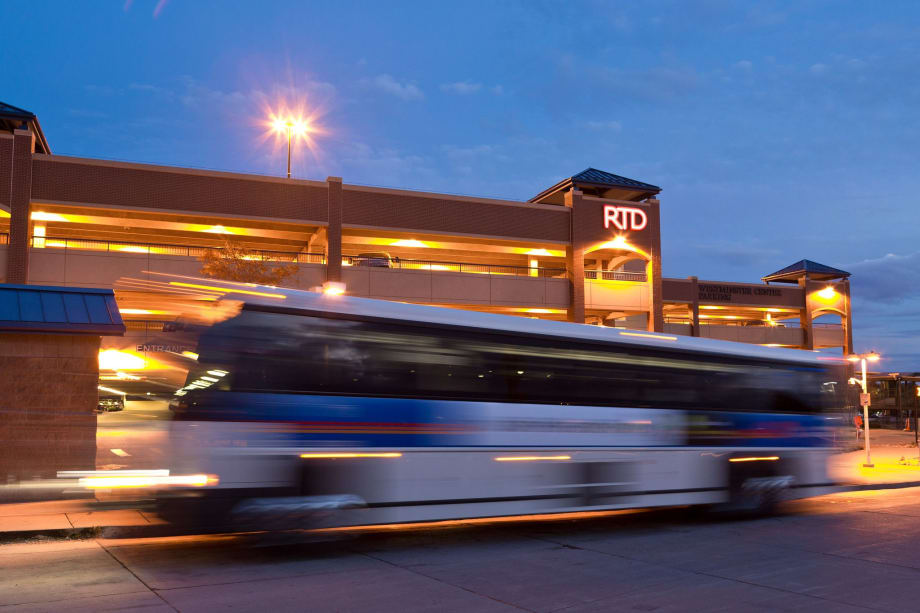
When the project concludes after two years, RTD and the FTA will evaluate and measure the program’s success.
Photo: Denver RTD
Denver’s Regional Transportation District (RTD) and its partners are undertaking a pilot project that integrates trip planning across RTD transit services and its mobility partners, which currently include the Colorado Department of Transportation’s (CDOT) Bustang services, Boulder BCycle, Lone Tree Link, and Lyft scooters.
Through the Transit app, customers can purchase fares and plan trips with end-to-end travel connections via RTD and the mobility partners noted above.
Funding to Boost Tech Usage
RTD received a $687,000 grant funding award for the Accelerating Innovative Mobility (AIM) pilot program from the Federal Transit Administration (FTA) to fund project development and deployment. The demonstration will run through Feb. 28, 2026.
While Transit was initially released in 2012, the new features have been in development for the past year and implemented in March. The additions allow customers the ability to plan travel, see fares for different legs of a trip within a suggested trip plan, and purchase fares across a variety of mobility providers, including RTD, within a single app.
“This is an exciting project because it brings so many different mobility options into one mobile application, reducing the friction associated with planning trips and purchasing fares between different modes. For example, someone can now plan a trip from Colorado Springs to Denver International Airport, using both Bustang and RTD, without juggling multiple apps to plan the trip and purchase tickets,” said RTD Planning Project Manager Charlie Stanfield.
Currently, the pilot program is the first of its kind in the U.S.
When the project concludes after two years, RTD and the FTA will evaluate and measure the program’s success.
This project was made possible through partnerships with the FTA, CDOT, Transit app, Masabi, Denver South Transportation Management Association, the city of Lone Tree, Via Mobility Services, Boulder BCycle, and Lyft.
More Technology

From Hardware to Digital Partner: Luminator Charts Its Next Chapter
CEO Magnus Friberg discusses Luminator’s shift toward becoming a digital partner, the growing importance of software and interoperability, and how AI can help agencies improve operations and passenger experience.
Read More →
Beyond the Checklist: A Structured Approach to Transit Maintenance
Reliability-Centered Maintenance helps transit agencies move beyond routine checklists to focus limited resources on the assets and failures that have the greatest impact on safety, reliability, and service.
Read More →
NJ TRANSIT Advances Bus Technology Upgrades Across Statewide Fleet
More than 1,500 buses now feature upgraded technology designed to improve arrival predictions and provide free Wi-Fi, with deployment expected to reach nearly 2,000 buses by the end of 2026.
Read More →

Building a Flexible Path to Transit Electrification
John Hroncich discusses BAE Systems’ modular and scalable approach, lessons learned from decades of real-world operations, and how agencies can identify electrification strategies that fit their fleets.
Read More →
Biz Briefs: Alstom Lands Canadian Contract, LYT to Supply California TSP, and More
In METRO's latest installment, we take a look at recent news from Complete Coach Works, Beep, FlixBus, and more partnerships making headlines across the transportation sector.
Read More →
From Legacy Silos to Conversational Intelligence
What if transit leaders could ask any operational question and get a trusted answer in seconds? Conversational AI is transforming how agencies use their data.
Read More →
USDOT Announces Rail Vehicle Replacement Grants, Chattanooga AV Shuttle Funding
More than $191 million in federal funding will help three transit agencies replace aging rail vehicles and support a new autonomous shuttle service in Chattanooga.
Read More →
Bus Tech Talk: Keeping Transit Technicians Ahead of the Technology Curve
LA Metro’s Obed Mejia discusses technician training, evolving maintenance technology, fleet replacement, and strategies for getting the most out of today’s transit fleets.
Read More →
Biz Briefs: RIPTA Unveils New Frontrunners, Clevland RTA Adds New Siemens, and More
In METRO's latest installment, we take a look at recent news from Siemens, Prevost, Dodge, and more partnerships making headlines across the transportation sector.
Read More →
Why Simulating Pedestrian Movement Has Become Essential for Modern Rail Stations
Pedestrian microsimulation is helping rail planners identify bottlenecks, test station designs, and prepare complex transit hubs for growing passenger volumes.
Read More →