



New report IDs human service agency link to mobility
Easter Seals study calls for developing more information and technical assistance for mobility management.
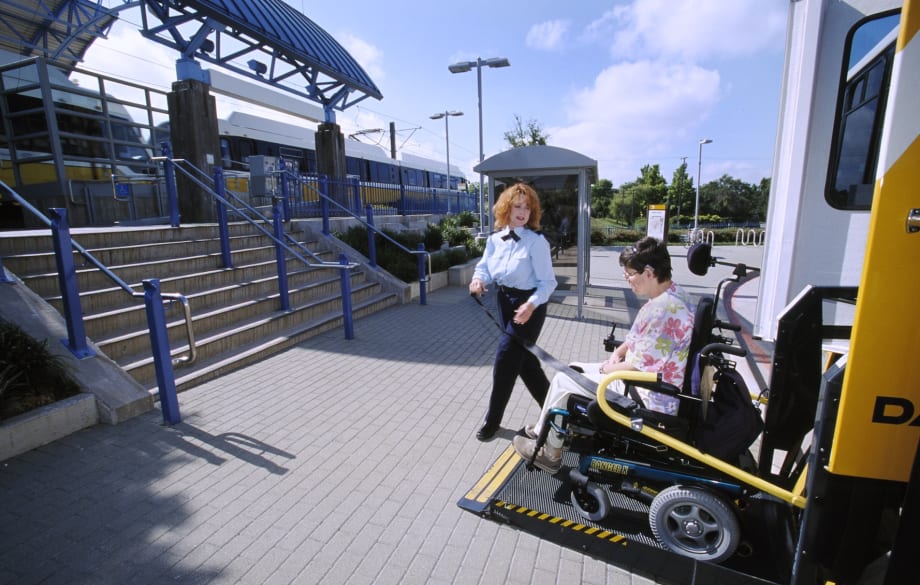
Requirements in MAP-21 focus on the coordination of transportation services. Mobility management is the infrastructure in which these coordination efforts take place. Mobility management positions can be funded by transit agencies or human service organizations, but it is important that both entities are involved in the coordination efforts in some way. Human service professionals can often communicate the needs of the local disability community, and transit agencies may have resources that are either underused by the local disability community or could be adjusted to better fit their needs. Together, human service organizations and transit agencies can coordinate to make communities more accessible for all.
A new report released by Easter Seals Project ACTION (ESPA) identifies the participation level of human service organizations in mobility management. “The Participation of Human Services Organizations in Mobility Management,” prepared for ESPA by the Institute for Community Inclusion at the University of Massachusetts Boston, helps identify gaps as well as the knowledge level of human service professionals regarding mobility management. Notably, almost 60% of human service respondents were interested in becoming more involved in national mobility management activities.
Two survey instruments were developed to solicit input from human service professionals and United We Ride (UWR) Ambassadors. UWR is a federal interagency initiative to improve “the availability, quality, and efficient delivery of transportation services for older adults, people with disabilities and individuals with lower incomes.” Within the UWR Ambassador program, previously funded by the Federal Transit Administration (FTA) and coordinated through the National Resource Center for Human Service Transportation Coordination, one ambassador was assigned to each of the 10 FTA regions. The first survey was designed for a range of professionals representing different human service agencies and organizations on both the state and national level. The second survey was designed specifically for UWR Ambassadors who provide states and territories with hands-on technical assistance in the development and implementation of coordinated human service transportation. Follow-up interviews were also conducted with the UWR Ambassadors.
Stakeholder Engagement
Slightly more than half (55.6%) of the 27 human service respondents indicated that their stakeholders were engaged in mobility management. The activities in which stakeholders of these organizations were reported to be the most engaged were “serv[ing] on local committees and advisory groups” and “collaborat[ing] with other local organizations and agencies.” Eight out of the nine UWR Ambassador respondents indicated that, regarding mobility management, the human service organizations with which they work collaborate with other organizations, serve on advisory groups, encourage stakeholders to participate, and provide technical assistance and training.
Management Barriers
Close to 89% of the UWR Ambassador respondents indicated they felt two major barriers inhibiting the engagement of human service professionals in mobility management were a lack of resources and information on how to be involved. Both the human service respondents (58.3%) and the UWR Ambassador respondents (66.7%) indicated another significant barrier was a lack of opportunity/awareness about mobility management on the part of the human service professional.
One respondent from Iowa noted, “There are challenges with state-wide implementation, consistent communication delivery to all impacted players, limited resources to spread over a large geographic area and unique rural geographic needs. I am impressed by the current mobility managers working through contracts with [the Iowa Department of Transportation] and feel efforts are being made with visibility, promotion, partnering, access to general information and response to identified needs.”
Recommendations
Recommendations that emerged from this study for the mobility management field included developing more information and technical assistance for human service organizations on mobility management; identifying appropriate channels of communication for the diverse range of human service organizations; and developing a variety of universally designed multimedia materials, including an informational packet that human service organizations can use to engage their stakeholders.
Download the full report for free from ESPA’s website, www.projectaction.org. For questions contact Judy Shanley at (800) 659-6428 or jshanley@easterseals.com.
Whitney E. Gray is a communications specialist for Easter Seals Project ACTION.
More Paratransit

Biz Briefs: RIPTA Unveils New Frontrunners, Clevland RTA Adds New Siemens, and More
In METRO's latest installment, we take a look at recent news from Siemens, Prevost, Dodge, and more partnerships making headlines across the transportation sector.
Read More →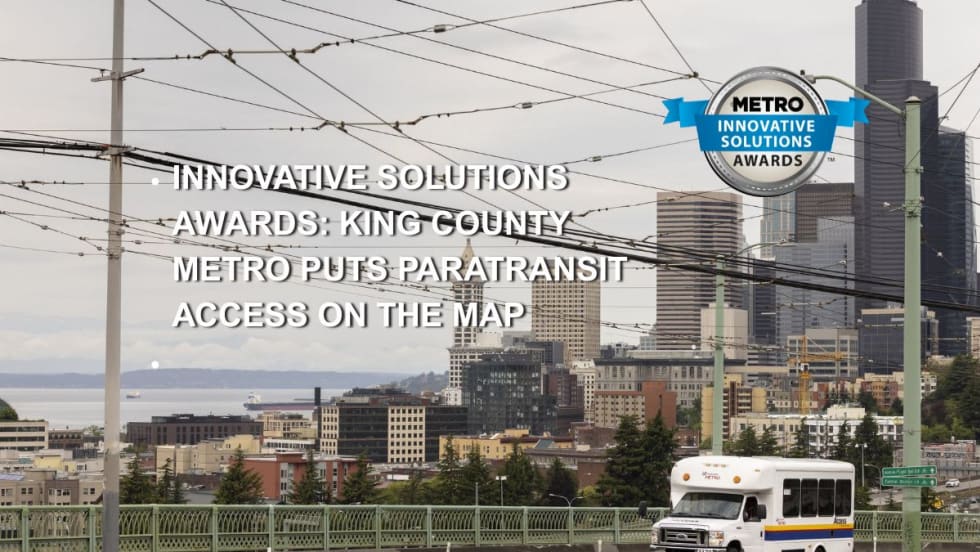
King County Metro Makes ADA Paratransit Easier to Navigate
METRO's Innovative Solutions Award winner replaces complex service-area descriptions with an accessible, interactive map that puts paratransit information directly in customers’ hands.
Read More →
Jacksonville’s NAVI Project Charts a New Course for Autonomous Public Transportation
Through its NAVI program, JTA is showing how autonomous vehicles, intelligent infrastructure, and coordinated operations can work together to deliver everyday public transportation.
Read More →
Driving Smarter Paratransit
John Hanlon shares how AlphaRoute is leveraging AI-powered technology to help paratransit providers optimize operations, support frontline staff, and enhance the rider experience.
Read More →
METRO Magazine Announces 2026 Innovative Solutions Awards Winners
Projects Recognized for Advancing Mobility Through Technology, Accessibility, Workforce Innovation, and Operational Excellence
Read More →
Biz Briefs: STV teams with Amtrak, Motorcoach Operators Boost Fleet and Land Contracts, and More
From manufacturers and suppliers to transit agencies and motorcoach operators, these updates offer a snapshot of the projects, partnerships and business moves driving the industry forward.
Read More →
Biz Briefs: Masabi Teams with St. Louis Metro and More
In METRO's latest installment, we take a look at recent news from Transdev, Hitachi, and more partnerships making headlines across the transportation sector.
Read More →
New York MTA Leverages Zoning Program to Advance Station Accessibility
Accessibility enhancements at Nevins St Station will be financed through a development agreement tied to the MTA's Zoning for Accessibility initiative.
Read More →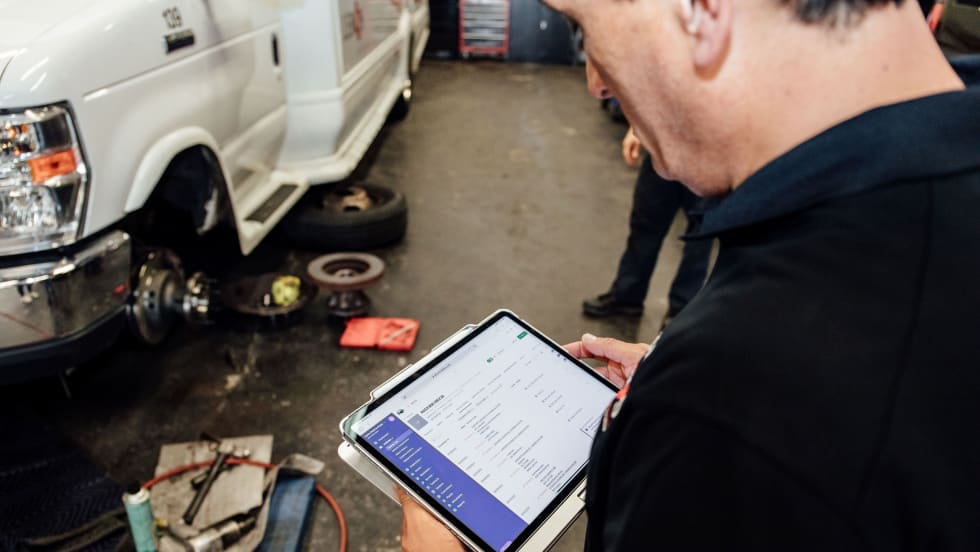
Reinventing Fleet Maintenance with Real-time Visibility and AI
Transit leaders need to know what needs fixing, where to look, who is responsible, when work is completed, and what it costs without having to chase information across disconnected systems.
Read More →
SamTrans Sets Priorities for Potential Connect Bay Area Revenue
The board-approved framework allocates future funding to maintaining service, rider improvements, equity initiatives, and infrastructure repairs.
Read More →