
Alex Roman
Executive Editor
Alex Roman is Executive Editor of METRO Magazine — the only magazine serving the public transit and motorcoach industries for more than 100 years.


 MENU
 SEARCH
Executive Editor
Alex Roman is Executive Editor of METRO Magazine — the only magazine serving the public transit and motorcoach industries for more than 100 years.

Spare's Kristoffer Vik Hansen discusses evolving rider expectations, the challenges facing transit agencies, and how artificial intelligence could help improve paratransit and on-demand mobility services.
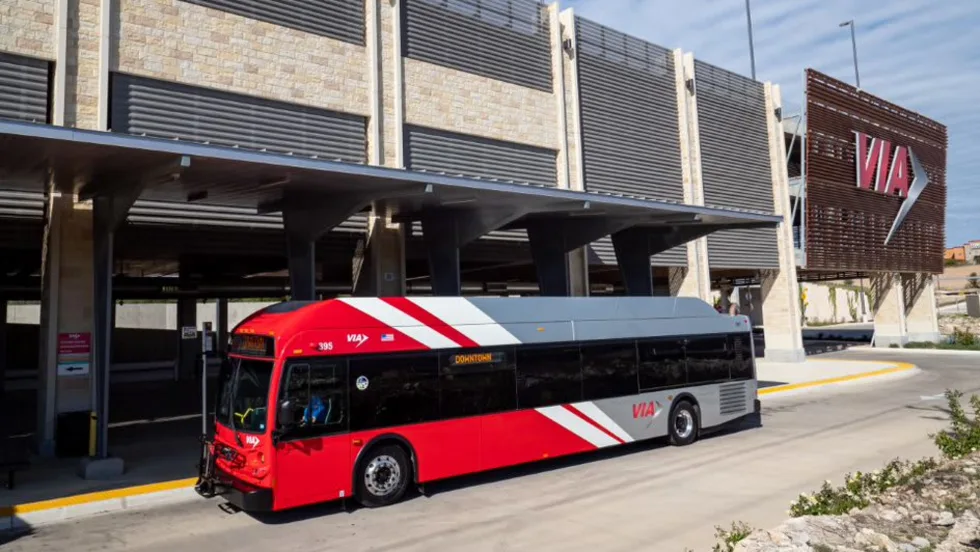
VIA surpasses three million monthly trips for the first time since 2020, while the MBTA tops one million average weekday trips as both agencies report continued ridership growth.

In this edition, we also cover recent appointments and announcements at King County Metro, SilverRide, and more, showcasing the individuals helping to shape the future of transportation.

In METRO's latest installment, we also take a look at recent news from RIDE, Alstom, and more partnerships making headlines across the transportation sector.

As younger generations embrace multimodal mobility over private vehicles, transit agencies can rethink station design, the passenger experience, and public transportation's role in building connected communities.
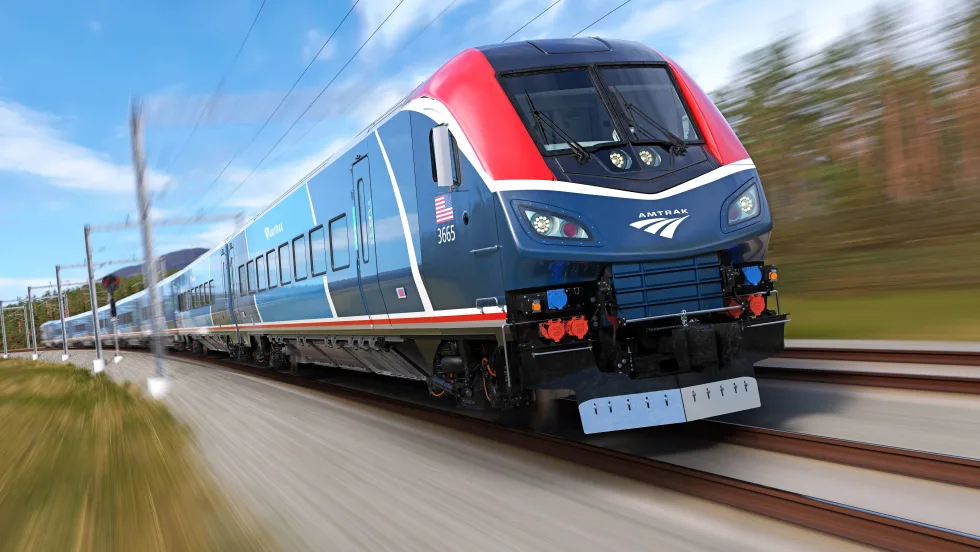
The new 10-car trains, expected to enter service in 2031, will provide about 34% more seating capacity to meet growing demand on the Northeast Corridor.

The association warns that proposed changes could delay transit projects, reduce federal funding, and create new hurdles for 47 projects currently in the CIG pipeline.
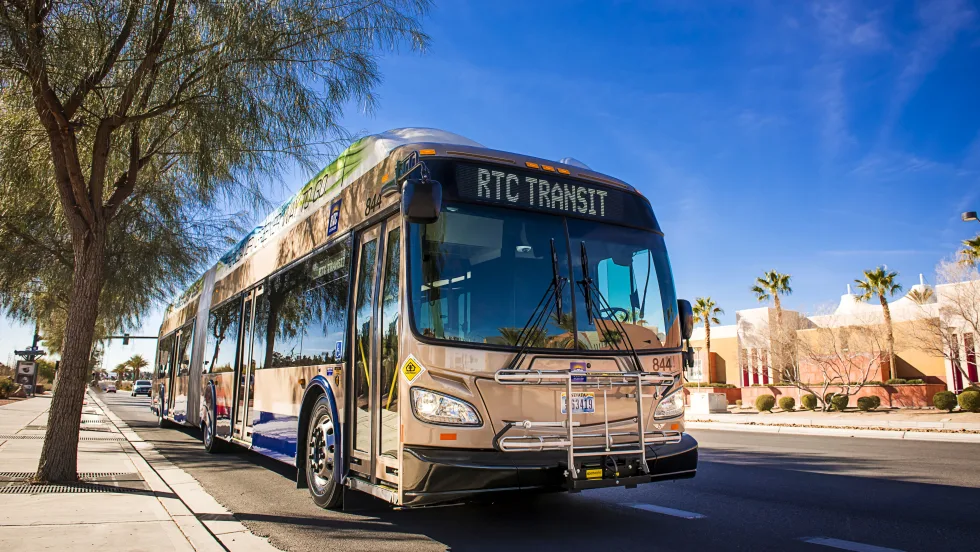
The Las Vegas agency credits expanded security measures, training, and technology for improved safety in FY 2026, while security officers have helped save 19 lives through overdose-response efforts.

The completion of the two-track bridge over the Hackensack River eliminates a longstanding source of delays for NJ TRANSIT and Amtrak customers. It marks a major milestone for the Gateway Program.
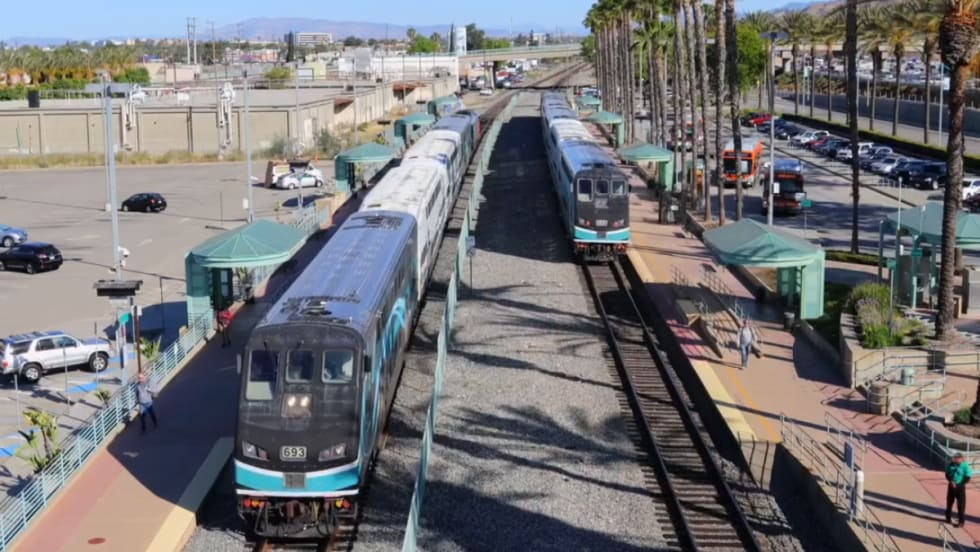
A $20 million state allocation allows the regional rail agency to maintain existing weekday and weekend service through fiscal year 2028, although longer-term funding challenges remain.