
Staff
Editorial
Our team of enterprising editors bring years of experience covering the fleet industry. We offer a deep understanding of trends and the ever-evolving landscapes we cover in fleet, trucking, and transportation.


 MENU
MENU SEARCH
Editorial
Our team of enterprising editors bring years of experience covering the fleet industry. We offer a deep understanding of trends and the ever-evolving landscapes we cover in fleet, trucking, and transportation.

Schumer said the technology to wire the system is readily available and asked the MTA to fast track the pilot projects and the Request for Proposal and approval process saying that if the MTA acts fast, the project may be eligible for federal funding passed as part of the American Recovery and Reinvestment Act.
Read More →The site is designed to identify a comprehensive set of funding and financing mechanisms that can be used to generate investment for critical transportation projects.
Read More →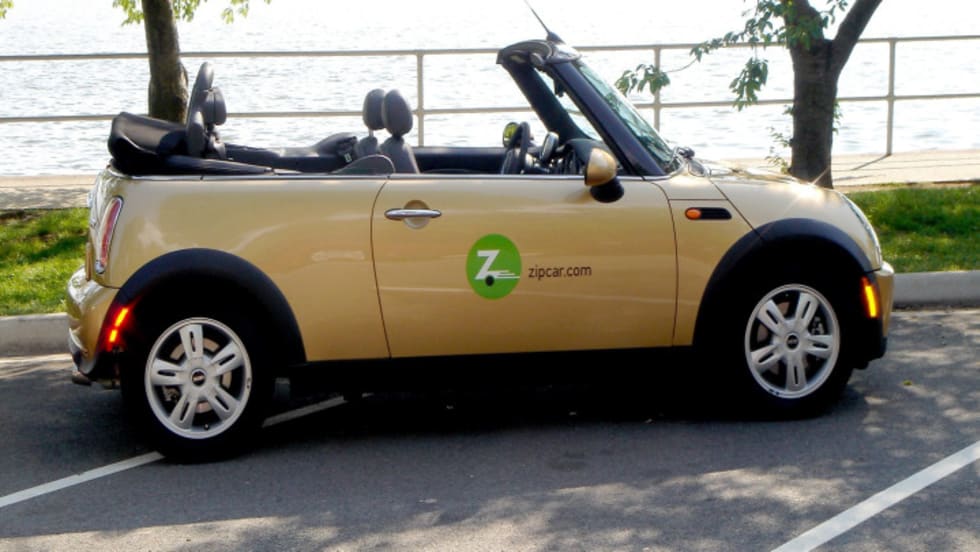
Two new vehicles join the current vehicles located on campus (two) and in the communities of Champaign and Urbana (two each).
Read More →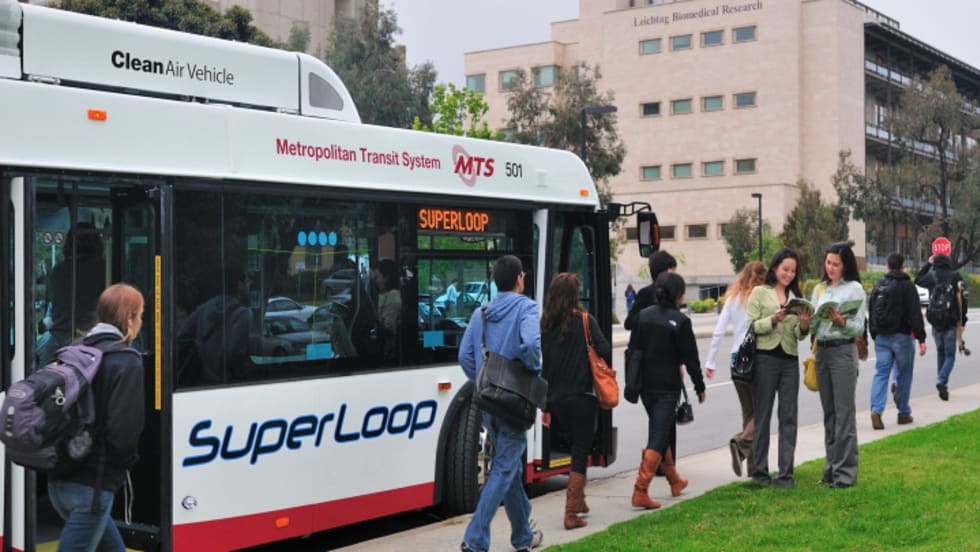
Project cost is estimated at $16.2 million, which includes the purchase of 12 hybrid buses. Annual operating cost is expected to be $3.3 million, and all funding will come from a local half-cent sales tax approved by voters.
Read More →Augusta State University students will have access to more frequent service and be able to track vehicles via cell phones.
Read More →The $1.7 million grant will be used to replace four aging compressed natural gas vehicles with four new buses.
Read More →Report is based on a survey of 98 APTA transit system members representing more than one-half of the nation's transit riders, and includes 10 of the top 15 agencies in terms of annual ridership.
Read More →Through Twitter, Merced County Transit followers will receive real-time updates on their cell phones and computers regarding route delays, service changes, and special announcements.
Read More →In place for nearly two years, the student pass program has boosted ridership for the transit agency.
Read More →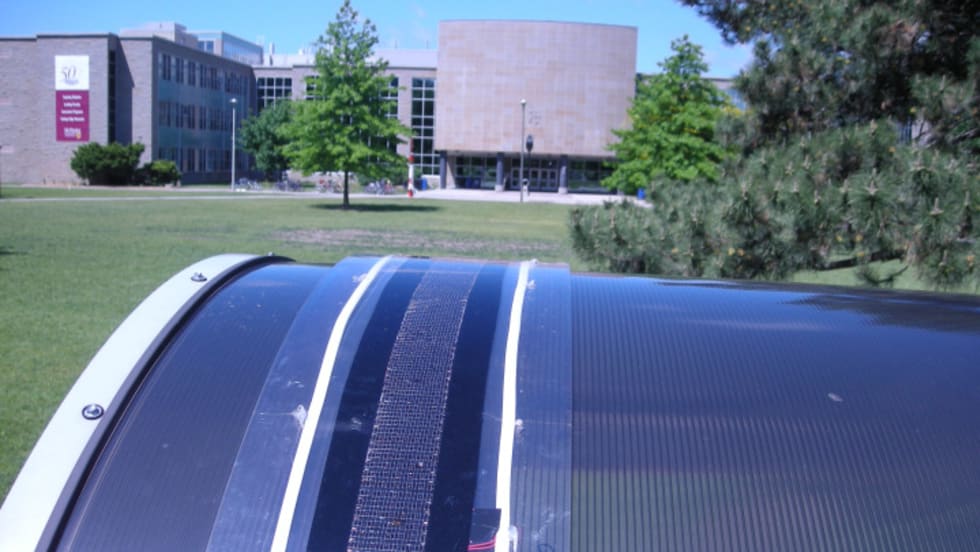
The solar cells capture sunlight during the day and convert it to electricity to recharge batteries located in each lighting unit. The batteries can hold enough charge to light the shelter for the better part of a night.
Read More →