



Flexible solar strips light up campus bus shelter
The solar cells capture sunlight during the day and convert it to electricity to recharge batteries located in each lighting unit. The batteries can hold enough charge to light the shelter for the better part of a night.

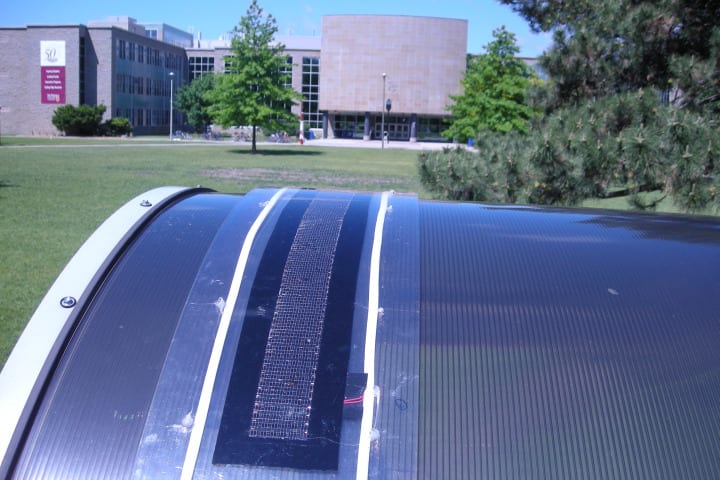
Exterior view of flexible solar strip designed by engineering researchers at McMaster on curved bus shelter roof. Photo courtesy of Faculty of Engineering, McMaster University.
[IMAGE]shelter-exterior-full.jpg[/IMAGE]New flexible solar cell technology developed by a group of engineering researchers at Hamilton, Ontario-based McMaster University has been installed on a campus shelter to power lighting for night-time transit users.
The researchers are also hoping that the prototype will help boost efforts to commercialize the new technology. The bus shelter is located on the west side of University Avenue between the John Hodgins Engineering Building and the Life Sciences Building.
“Our goal is to provide a clean, affordable power source for bus shelters that will let transit companies run Internet-based scheduling updates,” said Adrian Kitai, a professor of engineering physics at McMaster who guided the project. “The solar technology can also be used to light up bus shelter signage and provide lighting for general safety.”
The flexible solar cell project started as a master’s thesis for Wei Zhang, who subsequently worked as an engineer in the Department of Engineering Physics. Julia Zhu, a research technician in the department, and Jesika Briones, a master’s of engineering entrepreneurship and innovation graduate, also helped develop the initiative.
The ability to bend the solar cells to fit the curved roof of the bus shelter is one of the main features of the technology. The flexibility is achieved by tiling a large number of small silicon elements into an array, mounting them onto a flexible sheet, and connecting them through a proprietary method. The two solar strips installed on the McMaster bus shelter are about 35 inches long and 5 inches wide. Each strip has 720 .39-inch-square solar cells and generates up to 4.5 Watts of power.
With the help of Facility Services at McMaster, a solar strip was mounted at each end of the bus shelter roof and connected to two energy-efficient, multi-LED, light fixtures. Each light fixture uses only 600 milliwatts of power and produces about the same light output as a three watt regular tungsten bulb or what a small night light would use. The lights are bright enough for easy reading.
The solar cells capture sunlight during the day and convert it to electricity to recharge batteries located in each lighting unit. The batteries can hold enough charge to light the shelter for the better part of a night.
The solar cell research team is monitoring the installation to determine how much solar power is required to fully recharge the batteries based on weather conditions. Winter months will be a particular focus as shorter and overcast days, snow and cold can affect the charging ability of the solar cells and batteries.
Funding for the initiative was provided through an NSERC strategic grant and an NSERC I2I grant.
More Technology
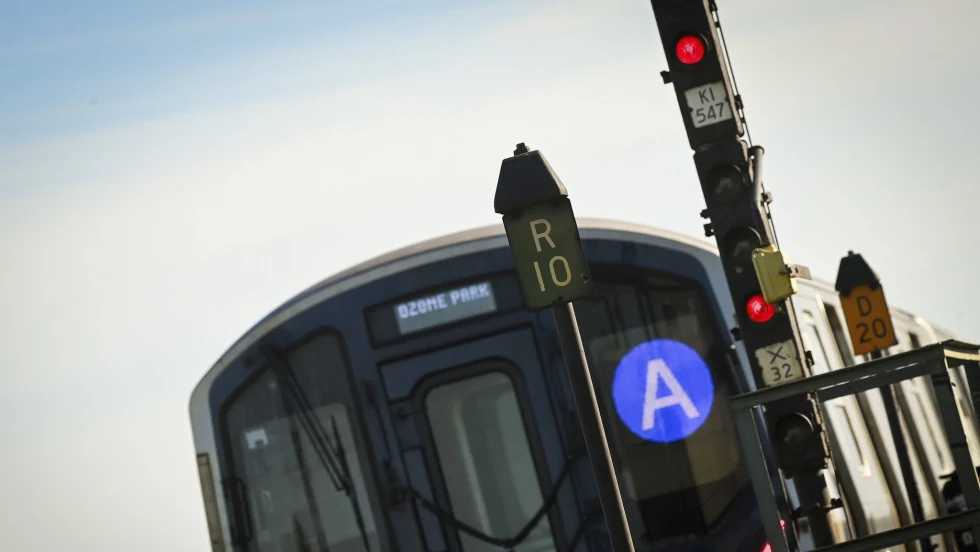
New York MTA Launches Historic $1.9B Signal, Track Modernization Project
Funded in part by congestion pricing revenue, the project will replace nearly century-old signals along the A and C lines in Brooklyn and Queens.
Read More →
Biz Briefs: New Electric Offering from Alexander Dennis/Volvo, Transdev in Boston, and More
In METRO's latest installment, we also take a look at recent news from STV, WSP, Prevost, and more partnerships making headlines across the transportation sector.
Read More →
Roman Cornell on ABC Companies’ Evolution and the Future of Passenger Transportation
The company’s CEO discusses carrying forward a third-generation family legacy, ABC’s continued evolution in passenger transportation, support for increasingly complex fleets, and how technology and continued investment could help operators improve uptime.
Read More →
ETA CEO John Maglio on Transit Technology, Innovation, and Building Agency Trust
ETA founder and CEO John Maglio explores the evolution of transit technology, the importance of reliable systems, and how stronger partnerships can help agencies improve operations and the passenger experience.
Read More →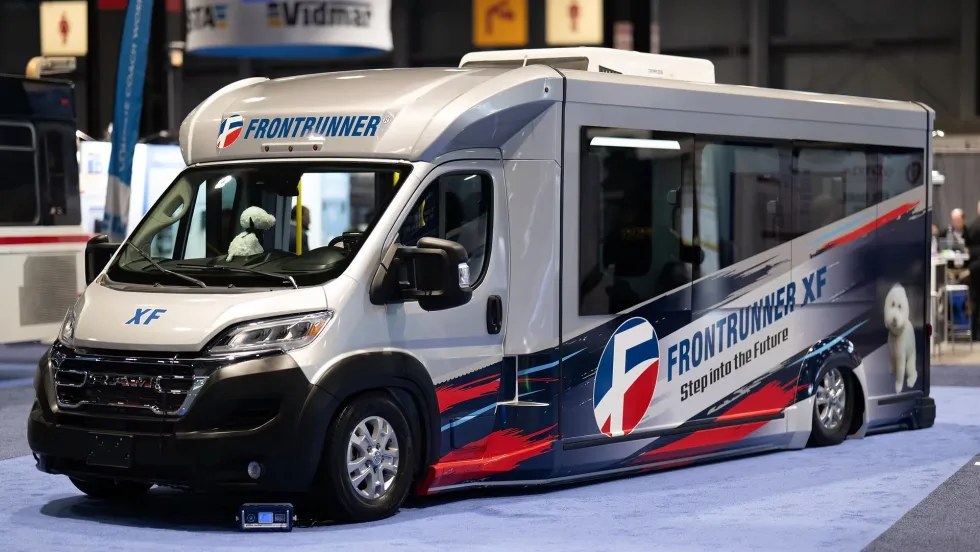
Frontrunner Bus Group Introduces XF Low-Floor Bus with Enhanced Accessibility
The new mid-sized bus features a full flat-floor design, eight-inch curbside step-in height, and zero-entry rear ramp to improve passenger access and operational flexibility.
Read More →
Building a Flexible Path to Transit Electrification with BAE's John Hroncich
John Hroncich discusses BAE Systems’ modular and scalable approach, lessons learned from decades of real-world operations, and how agencies can identify electrification strategies that fit their fleets.
Read More →
Scenes from APTA TRANSform & EXPO 2026
Transit leaders, manufacturers, and industry professionals gathered in Chicago to explore new technologies, share ideas, and discuss the future of public transportation.
Read More →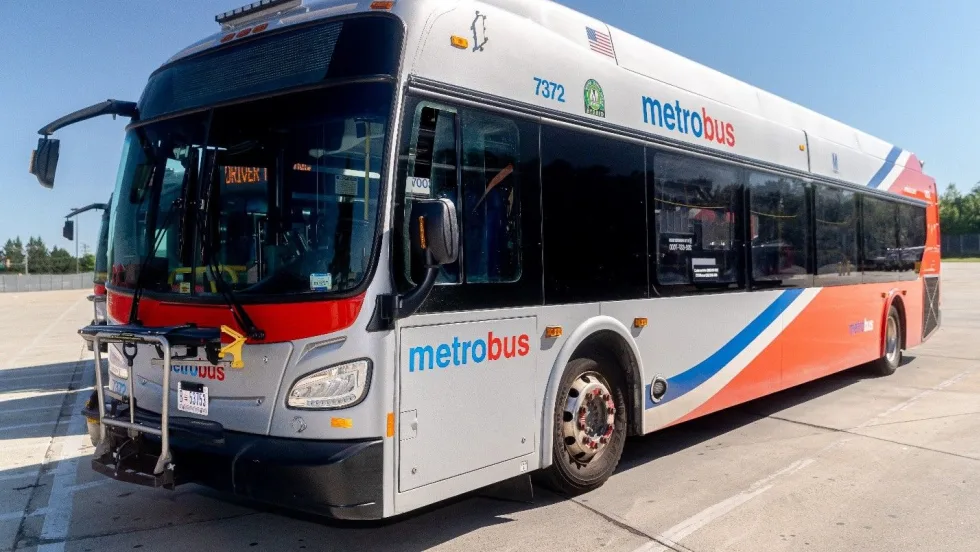
Biz Briefs: New Flyer Secures Additional 100-Bus Order from WMATA and More
In METRO's latest installment, we also take a look at recent news from Masabi, MCI, Samsara, and more partnerships making headlines across the transportation sector.
Read More →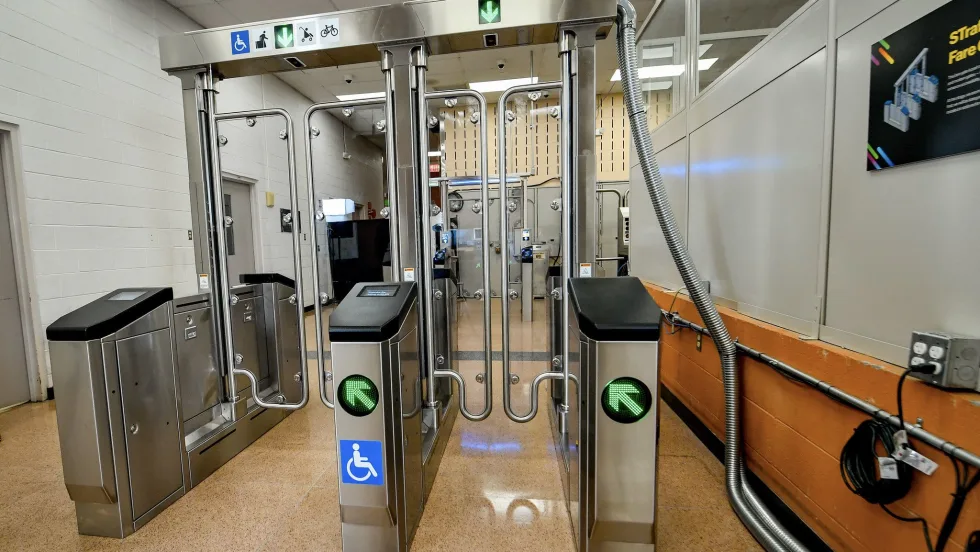
MTA Fare Gate Pilot Reduces Fare Evasion by 35%
Following a 20-station pilot, the agency plans to install new fare gates at 20 additional subway stations as part of a $1.1 billion modernization initiative.
Read More →
California Law Extends AC Transit’s Bus Lane Camera Enforcement
The new law allows AC Transit to continue using forward-facing bus cameras to enforce parking violations in bus-only lanes and at bus stops.
Read More →