




RELATED: Introducing Next-Gen Architects, Engineers to Careers in Transit
'Partnering' with employees, customers key to advancing transit's safety culture
A goal of SEPTA’s safety initiatives is to have customers and employees take the messages presented by the authority’s safety personnel back to their homes, their workplaces and communities to help the agency's safety culture evolve and grow.
November 2, 2016
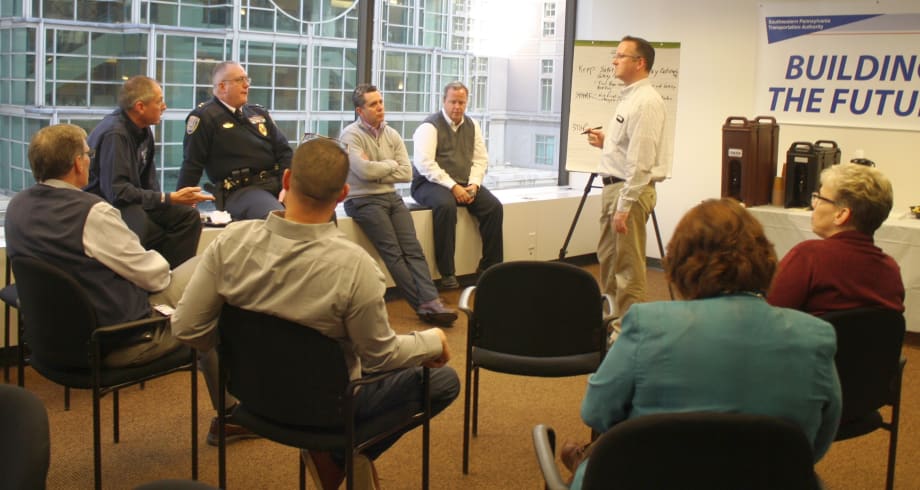
A group breakout session in SEPTA’s employee Safety Summit. Photo: SEPTA
4 min to read
A group breakout session in SEPTA’s employee Safety Summit. Photo: SEPTA
At the Southeastern Pennsylvania Transportation Authority (SEPTA), advancing the safety culture is a partnership between employees and customers. A “Safety First” approach helps preventable incidents from happening.
“Safety is the foundation of our transportation services,” said SEPTA GM Jeffrey Knueppel. “Through our customer outreach and employee education and training programs, we are working to ensure that being safe is the first thought our passengers and staff will have should an unusual situation occur on our vehicles or on our property.”
A goal of SEPTA’s safety initiatives is to have customers and employees take the messages presented by the authority’s safety personnel back to their homes, their workplaces and communities to help the agency's safety culture evolve and grow. To accomplish this internally, SEPTA has partnered with the National Safety Council (NSC) to begin offering the 16-module Supervisors’ Safety Development Program (SSDP).
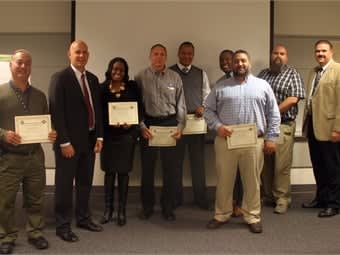
SEPTA employees that recently completed the Supervisors’ Safety Development Program (GM Jeff Knueppel is second from left and Assistant GM of System Safety Scott Sauer is far right). Photo: SEPTA
“SSDP addresses safety and health issues from the perspective of people who have responsibility for making improvements in those areas, including supervisors and managers, safety committee leaders, team leaders, and safety department representatives,” said Scott Sauer, SEPTA asst. GM, System Safety. “SSDP is taught by system safety staff with technical expertise in each of the module topics and is ideal for new managers and supervisors.”
The SSDP modules focus on key topics such as the identification and assessment of hazards, incident prevention, and the participant’s role in safety and health on the job. “After completing the program, participants will have developed skills ranging from recognizing and controlling hazards, to training employees and conducting incident investigations,” said Sauer.
SEPTA began offering the program in January 2016 and recently graduated the first cohort of seven employees to complete all 16 modules. “The employees taking this program come from a variety of areas, from operations and engineering to customer service and risk management, and they are taking the modules on their own initiative,” said Knueppel. “I applaud them for their commitment to furthering our safety programs across the authority.”
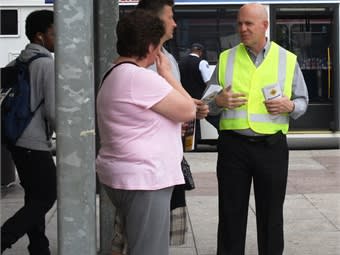
SEPTA GM Jeff Knueppel talking about safety with customers at the Frankford Transportation Center. Photo: SEPTA
Because the program is taught by SEPTA System Safety staff, examples used in the classes pertain to the authority. “The modules helped me gain an understanding of safety concerns in areas I am not involved with,” said Tom Brotherton, a power dispatcher. Vincent Puppio, a customer service program manager added, “As an office employee, I learned about conditions in the field that I have not experienced. I can now relay that institutional knowledge to my colleagues.”
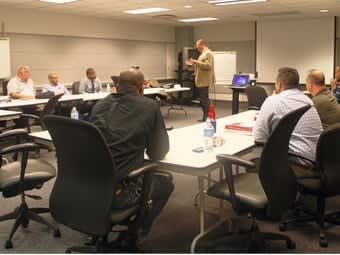
SEPTA Assistant GM of System Safety Scott Sauer addressing participants in the Supervisors’ Safety Development Program Class. Photo: SEPTA
Surface Transportation Manager Kenneth Divers used the skills he acquired during the course to create SEPTA’s first Supervision Safety Officer Program for Surface Transportation Supervision. “The objective of the program is to identify threats, report violations, administer corrective action plans, provide training, and create a discussion forum for all Surface Supervision City Transit Division employees,” said Divers. “The officer would serve for one year, along with an apprentice, who would then move into the officer position. The officer and apprentice would be required to complete first-aid and automated external defibrillator (AED) training during their tenure.”
SEPTA is the second transportation authority in the country to offer the SSDP (MTA New York City Transit also offers the program). “We have received good feedback on the program and will continue to offer the modules on a perpetual rotating basis,” said Sauer. “Our goal is for all supervisors, team leaders, and managers to enroll, as the topics covered are invaluable not only for their jobs at the authority, but for all aspects of their daily lives.”
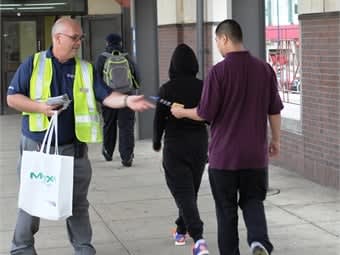
A SEPTA employee handing out safety materials at the agency's 69th Street Transportation Center during the system-wide Safety Day. Photo: SEPTA
SEPTA safety education efforts have won praise from the NSC. “Congratulations to SEPTA on their first graduating class from the Supervisors Safety Development Program at the National Safety Council,” said Deborah A.P. Hersman, NSC president/CEO. “Supervisors are on the front line of any Safety Management System. A well-trained team will go a long way in reducing the risk of injury. Supervisors who understand the principles of safety and how to effectively communicate about them help to build strong safety cultures. Your efforts reflect the commitment to safety that is at the core of SEPTA’s values.”
Heather Redfern is the Public Information Manager for the Southeastern Pennsylvania Transportation Authority.
Subscribe to Our Newsletter
More Blog Posts
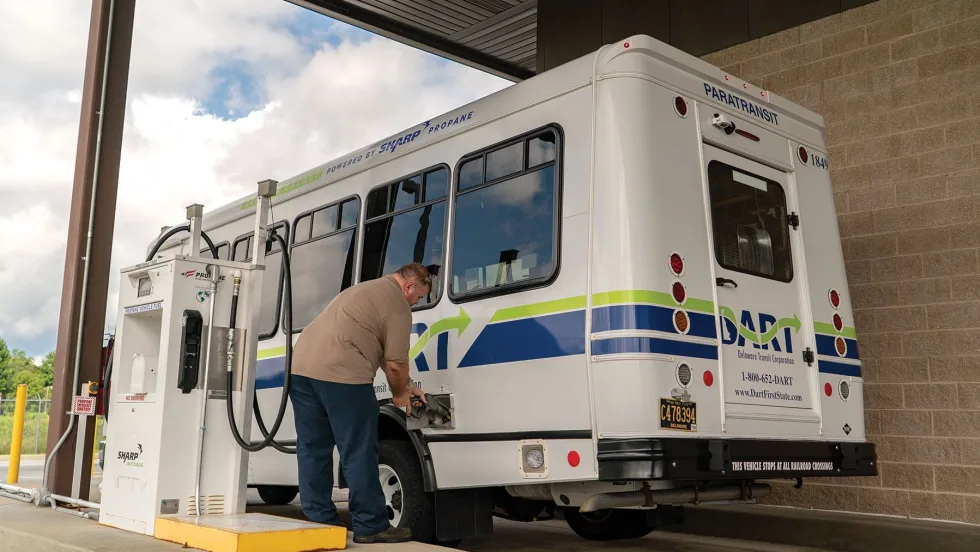
Building a Winning FTA Grant Proposal: Why Propane Autogas is the Pragmatic Choice for Fleet Resilience
With $610 million available through the FY 2026 Buses and Bus Facilities Competitive Program and the Low or No Emission Grant Program, agencies must build a compelling case before the September 21 deadline that balances environmental compliance with operational feasibility.
Read More →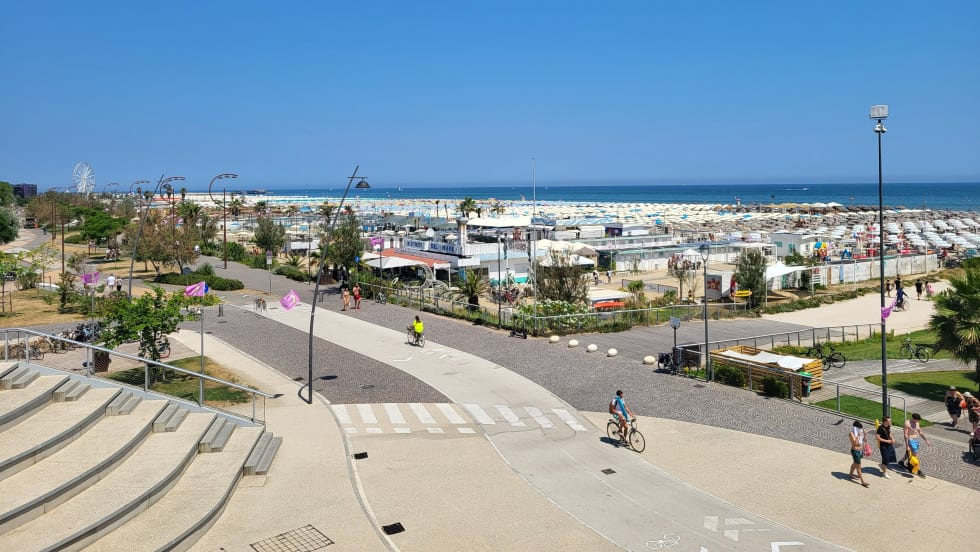
Velo-city Conference 2026: Latest Trends in Cycling as Part of Urban Mobility
The global cycling conference highlighted how cities are integrating bicycles into multimodal transportation networks, expanding cycle tourism and reshaping urban mobility.
Read More →
Kindness Isn’t Soft...It’s Strategic.
Mike Bismeyer — often known as “The Kindness Guy” — has spent more than 17 years in public transit and mobility, serving in industry leadership roles, speaking across North America, and advocating for stronger workplace cultures. But his message doesn’t come from theory. It comes from lived experience.
Read More →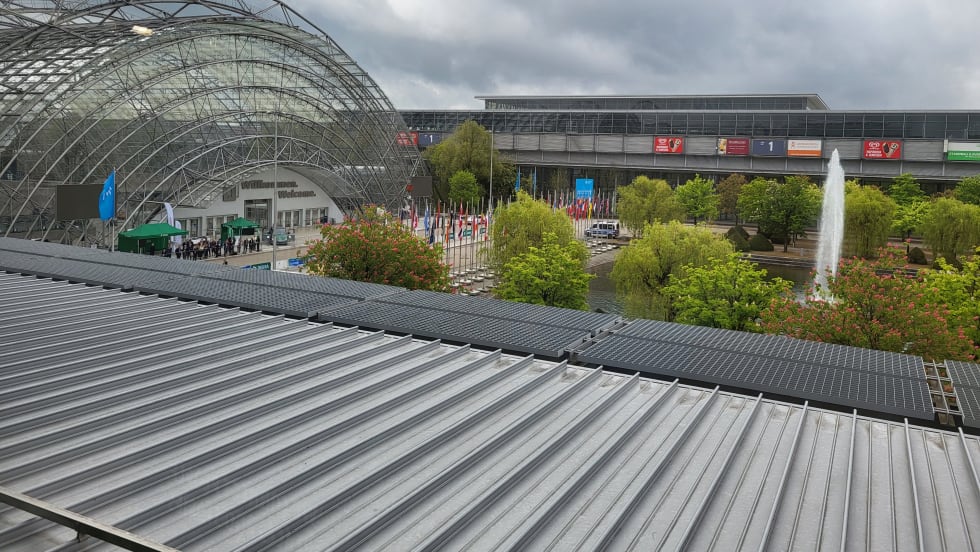
Inside ITF 2026: Transport Reacts to A Challenging World
Transport leaders from around the world gathered in Leipzig, Germany, for the 2026 International Transport Forum to discuss resilience, climate impacts, supply chains and the future of sustainable mobility.
Read More →
Every Ride Tells a Story — But You’re Not Just Selling the Ride
You’re selling the moment, the meaning, and the emotion behind it.
Read More →
How Digital Signage is Reshaping the Traveler Experience at Transportation Hubs
What was once a landscape of static signs has evolved into a responsive, immersive environment powered by real-time visual communication.
Read More →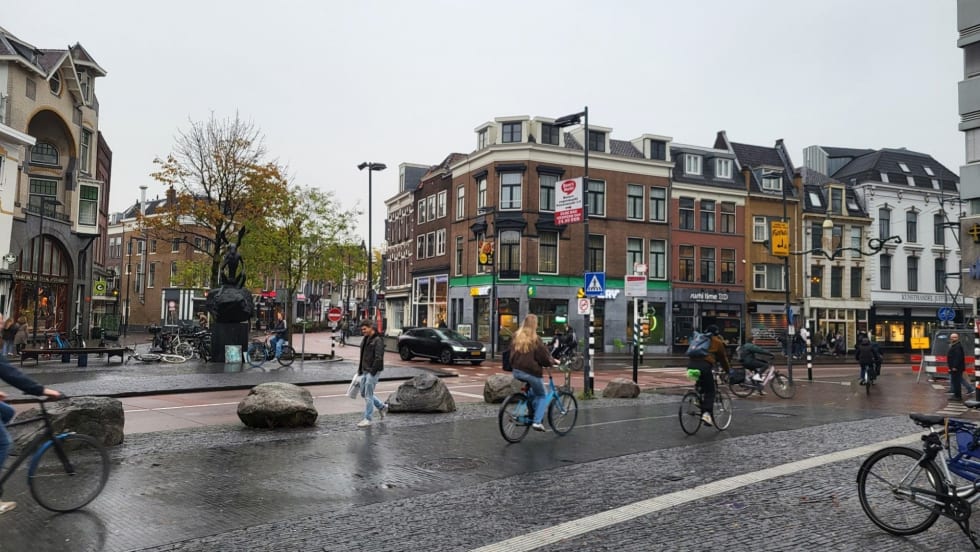
Latest Trends in Urban Mobility from Polis Conference 2025
Polis comprises cities and regions, as well as corporate partners, from across Europe, promoting the development and implementation of sustainable mobility. This year’s event had over a thousand attendees across various policy forums and an exhibition.
Read More →
Why Transit Leaders Require Better Tools for Operational Clarity In Today’s Tech-Fragmented Environment
Across North America and beyond, transit agency officials are contending with a perfect storm of operational headaches and strategic challenges that hamper daily service and long-term progress.
Read More →
The Powerless Brokers: Why California Can’t Build Transit
It is no secret that transit in the U.S. is slow and expensive to build.
Read More →
Why Transport Sustainability Should Focus on People Instead of Cars
Simply incentivizing electrification is not enough to make a meaningful impact; we must shift our focus toward prioritizing public transportation and infrastructure.
Read More →