



ASCE: Nation's infrastructure receives a "D" grade
U.S. surface transportation systems have declined over the past four years, with transit dropping from D+ to D, and roads dropping from a D to a nearly failing D-.

The American Society of Civil Engineers (ASCE) released its 2009 Report Card for America’s Infrastructure — assigning a cumulative grade of D to the nation’s infrastructure and noting a five-year investment need of $2.2 trillion from all levels of government and the private sector.
Since ASCE’s last assessment in 2005, there has been little change in the condition of the nation’s roads, bridges, drinking water systems and other public works, and the cost of improvement has increased by more than half a trillion dollars.
“Crumbling infrastructure has a direct impact on our personal and economic health, and the nation’s infrastructure crisis is endangering our future prosperity,” said ASCE president D. Wayne Klotz, PE, F.ASCE. “Our leaders are looking for solutions to the nation’s current economic crisis. Not only could investment in these critical foundations have a positive impact, but if done responsibly, it would also provide tangible benefits to the American people, such as reduced traffic congestion, improved air quality, clean and abundant water supplies, and protection against natural hazards.”
The Report Card also presents five key solutions for raising the nation’s infrastructure GPA. These include:
Increasing federal leadership in infrastructure;
Promoting sustainability and resilience;
Developing federal, state and regional infrastructure plans;
Addressing life-cycle costs and ongoing maintenance; and
Increasing and improving infrastructure investment from all stakeholders.
U.S. surface transportation and aviation systems have declined over the past four years, with aviation and transit dropping from D+ to D, and roads dropping from a D to a nearly failing D-.
While transit use increased 25 percent from 1995 to 2005, nearly half of American households still do not have access to bus or rail transit. According to the Federal Transit Administration, the cost to improve to good conditions is more than twice the current annual federal capital outlay of $9.8 billion.
Additionally, rail recieved a grade of C-, showing no tangible improvement. Rail is facing a significant need for investment — more than $200 billion through 2035. Travel in a freight train is three times as fuel efficient as a truck, and travel on passenger rail uses 20 percent less energy per mile than vehicular travel.
The 2009 Report Card was developed by an advisory council of 28 civil engineers representing each of the infrastructure categories, as well as a broad spectrum of civil engineering disciplines. Each category was evaluated on the basis of capacity, condition, funding, future need, operation and maintenance, public safety and resilience.
A detailed report, which accompanies the grades released today, will be released on March 25, 2009. For more information, including solutions for solving America’s infrastructure problems and ASCE’s Principles for Economic Stimulus Investment, visit www.asce.org/reportcard.
More Paratransit

Biz Briefs: RIPTA Unveils New Frontrunners, Clevland RTA Adds New Siemens, and More
In METRO's latest installment, we take a look at recent news from Siemens, Prevost, Dodge, and more partnerships making headlines across the transportation sector.
Read More →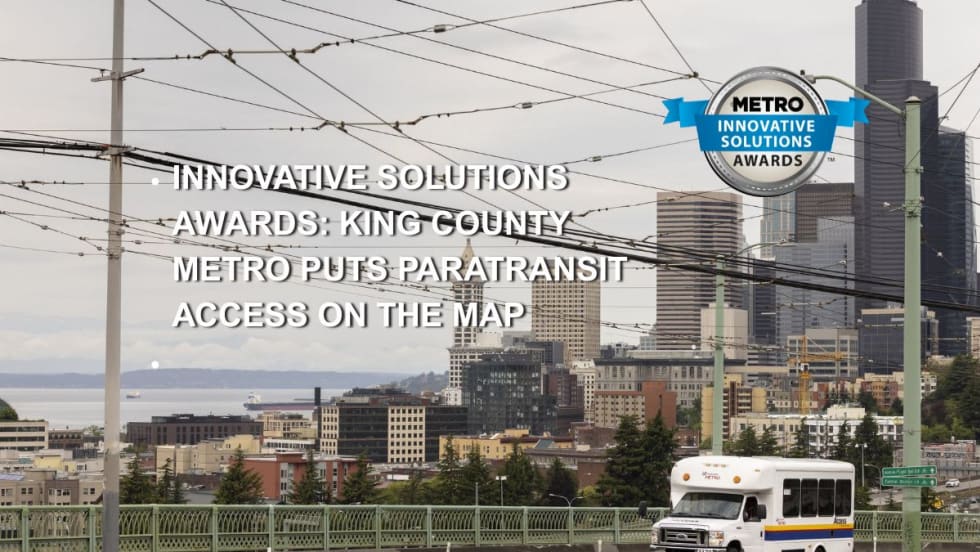
King County Metro Makes ADA Paratransit Easier to Navigate
METRO's Innovative Solutions Award winner replaces complex service-area descriptions with an accessible, interactive map that puts paratransit information directly in customers’ hands.
Read More →
Jacksonville’s NAVI Project Charts a New Course for Autonomous Public Transportation
Through its NAVI program, JTA is showing how autonomous vehicles, intelligent infrastructure, and coordinated operations can work together to deliver everyday public transportation.
Read More →
Driving Smarter Paratransit
John Hanlon shares how AlphaRoute is leveraging AI-powered technology to help paratransit providers optimize operations, support frontline staff, and enhance the rider experience.
Read More →
METRO Magazine Announces 2026 Innovative Solutions Awards Winners
Projects Recognized for Advancing Mobility Through Technology, Accessibility, Workforce Innovation, and Operational Excellence
Read More →
Biz Briefs: STV teams with Amtrak, Motorcoach Operators Boost Fleet and Land Contracts, and More
From manufacturers and suppliers to transit agencies and motorcoach operators, these updates offer a snapshot of the projects, partnerships and business moves driving the industry forward.
Read More →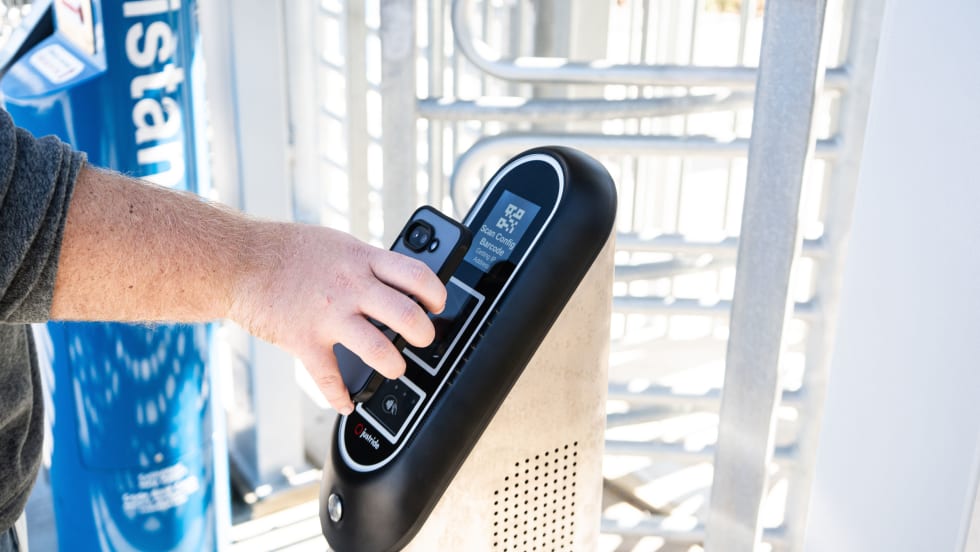
Biz Briefs: Masabi Teams with St. Louis Metro and More
In METRO's latest installment, we take a look at recent news from Transdev, Hitachi, and more partnerships making headlines across the transportation sector.
Read More →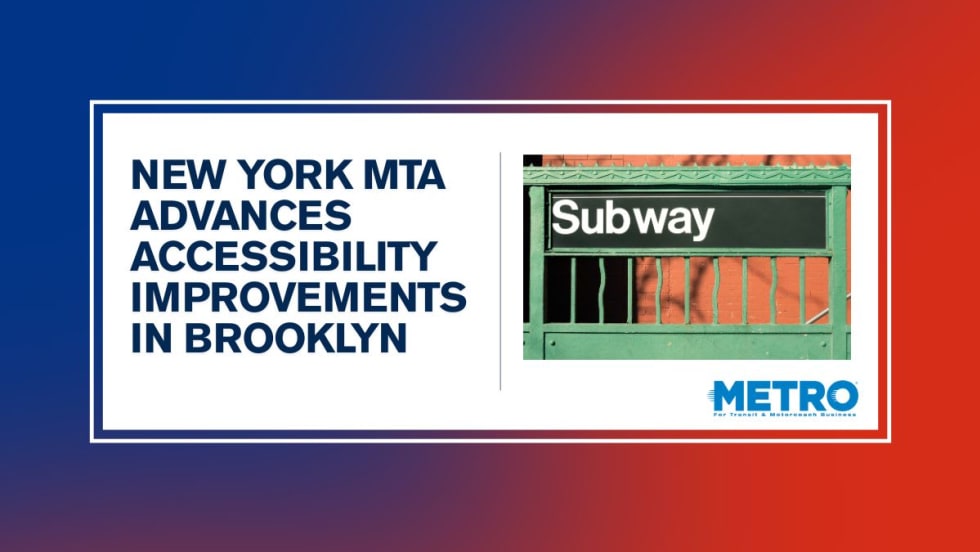
New York MTA Leverages Zoning Program to Advance Station Accessibility
Accessibility enhancements at Nevins St Station will be financed through a development agreement tied to the MTA's Zoning for Accessibility initiative.
Read More →
Reinventing Fleet Maintenance with Real-time Visibility and AI
Transit leaders need to know what needs fixing, where to look, who is responsible, when work is completed, and what it costs without having to chase information across disconnected systems.
Read More →
SamTrans Sets Priorities for Potential Connect Bay Area Revenue
The board-approved framework allocates future funding to maintaining service, rider improvements, equity initiatives, and infrastructure repairs.
Read More →