



Chicago Transit moves closer to open fare payment
The new system, set to launch in summer 2013, will replace the current payment via magnetic stripe cards and Chicago Card/Chicago Card Plus.

The Chicago Transit Authority’s (CTA) board approved the next step in moving passengers toward the nation’s first open fare transit system, one that provides customers more flexible and convenient options to pay fares.
The new open fare system, set to launch in summer 2013, will replace the current payment system of magnetic stripe cards and Chicago Card/Chicago Card Plus. The new system, called Ventra, will allow riders to use Ventra cards or their personal contactless credit and debit cards to board trains and buses. CTA’s fare structure will remain unchanged.
Transit riders transitioning to the new Ventra card will incur no additional costs, provided they take a minute to call and register the card, or do the same online or in person at CTA’s sales. Fares will remain $2 on bus and $2.25 on rail when paid for with Ventra cards or by personal contactless debit and credit cards. Customers can load cash on their Ventra cards and still pay the regular bus and rail fares with no additional fees.
Registration of the Ventra card prompts an immediate transfer of the $5 one-time card purchase price back to the card as stored value for the purchase of bus or rail trips. Additional value can be loaded on the card with cash or credit cards at rail stations or at more than 2,000 retail locations.
For transit users purchasing a disposable, single-ride ticket with cash, the board adopted the following:
Limited Use Media Fee. A 50-cent limited use fee will be assessed to single rail ride tickets that include the cost of a single rail ride and two transfers. The fee covers the cost to produce these disposable cards embedded with a wireless chip. The single-ride ticket is designed primarily for infrequent riders or tourists. Any CTA rider can avoid the fee by using a Ventra card or their personal credit/debit card equipped with a contactless chip. Once a customer has a Ventra reloadable card, there are no additional single-ride fees. Cash fares on buses will remain at $2.25.
In addition, the board approved:
Dormancy Fee on Transit Account. For reloadable cards not used in 18 months or more, accounts will be deducted $5 monthly, a common practice in the prepaid card industry. One use of the card within 18 months avoids the fee, and customers will receive a notice of inactivity. This policy is more liberal than the current CTA policy for magnetic-stripe cards, which will expire and lose all of their stored value after 15 months.
Reloadable Card Purchase Price Refund. A one-time refundable $5 fee to obtain a new reloadable card will be converted to stored fare value by simply registering the card within 90 days. In just a few minutes, customers can register the card online at ventrachicago.com, over the phone, or in person at the CTA service desk, 567 W. Lake St. CTA customers by January 2014 will be able to purchase Ventra reloadable cards at more than 2,000 locations within 1/3 mile of more than 11,000 CTA bus stops and at all rail stations; currently, CTA customers can buy fare cards at more than 600 locations.
More Paratransit

Biz Briefs: RIPTA Unveils New Frontrunners, Clevland RTA Adds New Siemens, and More
In METRO's latest installment, we take a look at recent news from Siemens, Prevost, Dodge, and more partnerships making headlines across the transportation sector.
Read More →
King County Metro Makes ADA Paratransit Easier to Navigate
METRO's Innovative Solutions Award winner replaces complex service-area descriptions with an accessible, interactive map that puts paratransit information directly in customers’ hands.
Read More →
Jacksonville’s NAVI Project Charts a New Course for Autonomous Public Transportation
Through its NAVI program, JTA is showing how autonomous vehicles, intelligent infrastructure, and coordinated operations can work together to deliver everyday public transportation.
Read More →
Driving Smarter Paratransit
John Hanlon shares how AlphaRoute is leveraging AI-powered technology to help paratransit providers optimize operations, support frontline staff, and enhance the rider experience.
Read More →
METRO Magazine Announces 2026 Innovative Solutions Awards Winners
Projects Recognized for Advancing Mobility Through Technology, Accessibility, Workforce Innovation, and Operational Excellence
Read More →
Biz Briefs: STV teams with Amtrak, Motorcoach Operators Boost Fleet and Land Contracts, and More
From manufacturers and suppliers to transit agencies and motorcoach operators, these updates offer a snapshot of the projects, partnerships and business moves driving the industry forward.
Read More →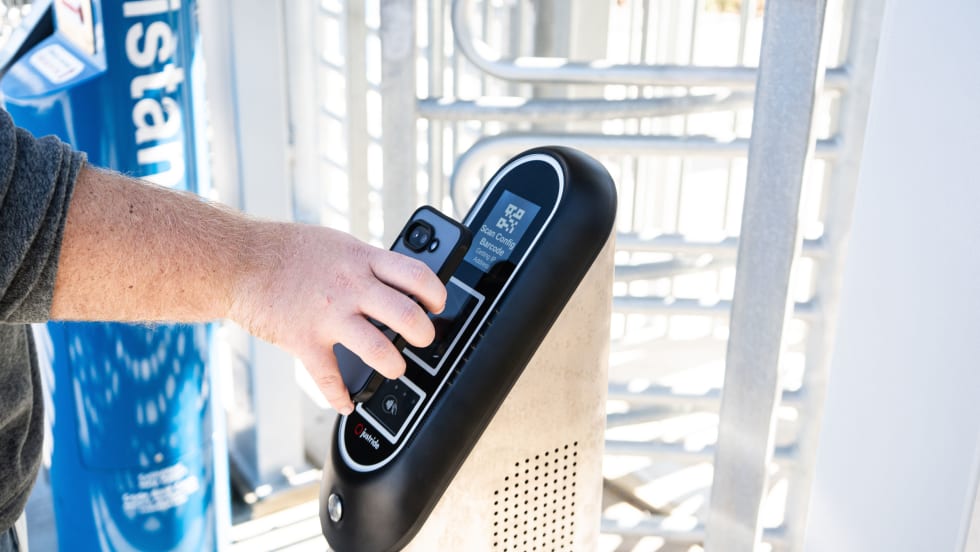
Biz Briefs: Masabi Teams with St. Louis Metro and More
In METRO's latest installment, we take a look at recent news from Transdev, Hitachi, and more partnerships making headlines across the transportation sector.
Read More →
New York MTA Leverages Zoning Program to Advance Station Accessibility
Accessibility enhancements at Nevins St Station will be financed through a development agreement tied to the MTA's Zoning for Accessibility initiative.
Read More →
Reinventing Fleet Maintenance with Real-time Visibility and AI
Transit leaders need to know what needs fixing, where to look, who is responsible, when work is completed, and what it costs without having to chase information across disconnected systems.
Read More →
SamTrans Sets Priorities for Potential Connect Bay Area Revenue
The board-approved framework allocates future funding to maintaining service, rider improvements, equity initiatives, and infrastructure repairs.
Read More →