



Detroit's SMART to make customer service improvements
As part of its budget analysis and efforts to reduce expenses, SMART will convert its 275 fixed-route buses and 110 paratransit vehicles to biodiesel fuel utilizing funds from its 2010 budget.

The Detroit-based Suburban Mobility Authority for Regional Transportation (SMART) is making progressive strides in the future of public transportation to provide more convenient, modern, and customer-friendly service for its riders.
Launching the first of several technology projects to upgrade its Intelligent Transportation System (ITS), SMART announced that it will be installing new fareboxes in February to replace outdated technology using some of the $20.2 million it received last year through the American Recovery and Reinvestment Act (ARRA). SMART also will convert its buses to biodiesel fuel to reduce costs using funds allocated in its 2010 budget.
SMART’s outdated fareboxes are being replaced with reliable and customer-friendly fareboxes which also allow for a wider range of fare options. The new fareboxes increase accuracy, providing greater reliability and less maintenance. The fareboxes have the potential to increase revenue by scanning $1, $5, $10 bills and rejecting counterfeit bills and invalid coins. The fareboxes can also issue change cards that passengers can use for future bus rides. Future fare options will include Smart Card technology, allowing riders to carry a debit-like bus card around with them for ease and convenience — all riders have to do is tap the card and go.
“The new fareboxes were necessary to provide riders with convenient and efficient service,” said Steve Brown, interim general manager. “The average lifespan of a farebox is eight to ten years. The old fareboxes were more than 15 years old, well past their effectiveness.”
Without ARRA funds, SMART would not be able to make these technology upgrades to improve SMART’s value to riders. SMART is using the maximum allowed 10 percent of its ARRA funds for operations while the remainder will be used for capital improvements. Within the next 18 months, new technology will be the foundation for other projects SMART will implement to enhance the current ITS.
An Automatic Vehicle Location (AVL) System will also be updated, improving reliability and enabling passengers to receive next bus arrival information on their phones. SMART will also add shelters to increase customer comfort, and accessibility to its buses.
Recent research on stimulus funds from ARRA shows that investments in public transportation are the most effective at producing jobs (Center for Neighborhood Technology, Smart Growth America, and U.S. PIRG, What we learned from the stimulus, January, 2010).
“SMART wants a 21st century transportation system that is convenient for its riders throughout the entire region,” said Brown. “We are completely committed to serving the needs and wants of our riders. SMART will continue to make critical and important investments in public transportation in the coming months."
As part of its budget analysis and efforts to reduce expenses, SMART will convert its 275 fixed-route buses and 110 paratransit vehicles to biodiesel fuel utilizing funds from its 2010 budget. This change is expected to increase fuel efficiency on average by 17 percent per bus. In addition, SMART will save approximately $250,000 annually by switching to biodiesel, and significantly reduce emissions by up to 78 percent by volume.
SMART is Southeast Michigan’s only regional transit system, serving Macomb, Oakland and Wayne counties. Recognized nationally as an innovator in community-based service for its unique partnerships with 75 communities, SMART serves an average of 13 million riders annually. For more information, go to www.smartbus.org or call Customer Information at 866-962-5515.
More Paratransit

Biz Briefs: RIPTA Unveils New Frontrunners, Clevland RTA Adds New Siemens, and More
In METRO's latest installment, we take a look at recent news from Siemens, Prevost, Dodge, and more partnerships making headlines across the transportation sector.
Read More →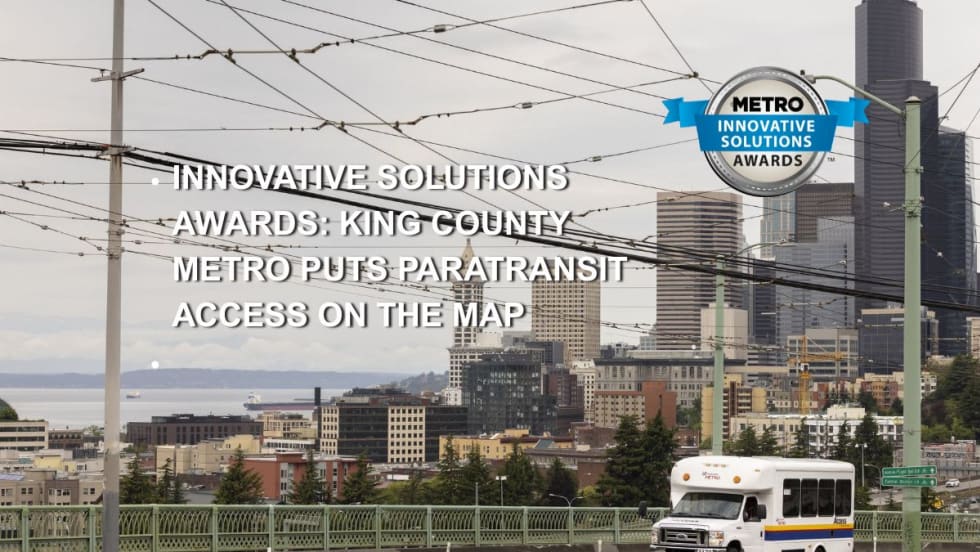
King County Metro Makes ADA Paratransit Easier to Navigate
METRO's Innovative Solutions Award winner replaces complex service-area descriptions with an accessible, interactive map that puts paratransit information directly in customers’ hands.
Read More →
Jacksonville’s NAVI Project Charts a New Course for Autonomous Public Transportation
Through its NAVI program, JTA is showing how autonomous vehicles, intelligent infrastructure, and coordinated operations can work together to deliver everyday public transportation.
Read More →
Driving Smarter Paratransit
John Hanlon shares how AlphaRoute is leveraging AI-powered technology to help paratransit providers optimize operations, support frontline staff, and enhance the rider experience.
Read More →
METRO Magazine Announces 2026 Innovative Solutions Awards Winners
Projects Recognized for Advancing Mobility Through Technology, Accessibility, Workforce Innovation, and Operational Excellence
Read More →
Biz Briefs: STV teams with Amtrak, Motorcoach Operators Boost Fleet and Land Contracts, and More
From manufacturers and suppliers to transit agencies and motorcoach operators, these updates offer a snapshot of the projects, partnerships and business moves driving the industry forward.
Read More →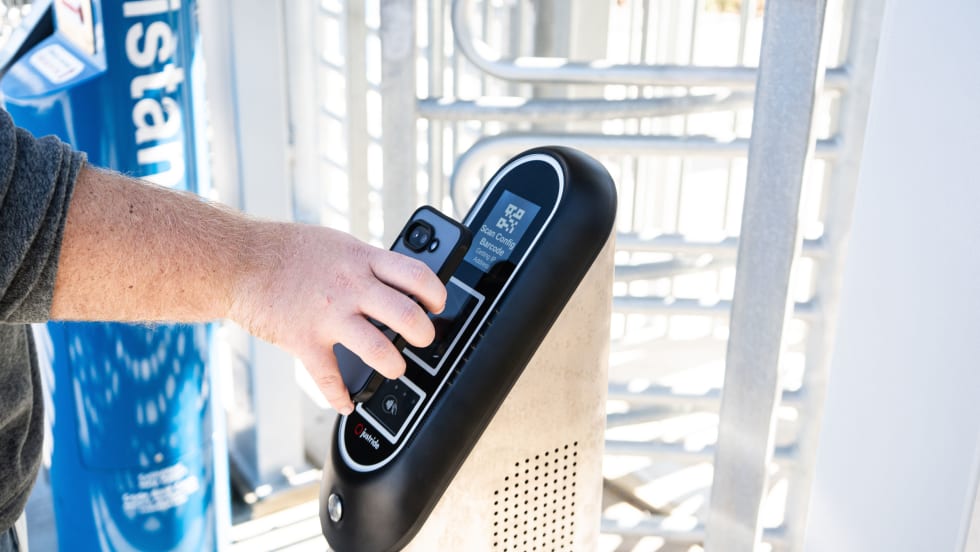
Biz Briefs: Masabi Teams with St. Louis Metro and More
In METRO's latest installment, we take a look at recent news from Transdev, Hitachi, and more partnerships making headlines across the transportation sector.
Read More →
New York MTA Leverages Zoning Program to Advance Station Accessibility
Accessibility enhancements at Nevins St Station will be financed through a development agreement tied to the MTA's Zoning for Accessibility initiative.
Read More →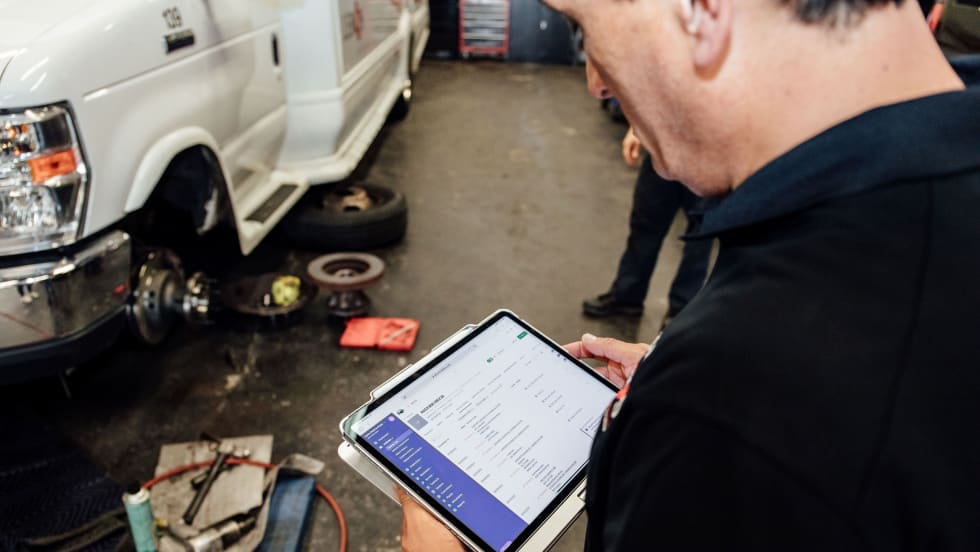
Reinventing Fleet Maintenance with Real-time Visibility and AI
Transit leaders need to know what needs fixing, where to look, who is responsible, when work is completed, and what it costs without having to chase information across disconnected systems.
Read More →
SamTrans Sets Priorities for Potential Connect Bay Area Revenue
The board-approved framework allocates future funding to maintaining service, rider improvements, equity initiatives, and infrastructure repairs.
Read More →