




RELATED: 10 Steps for Transit Agencies Starting Travel Training
KCATA set to launch new ridehailing service May 1
The one-year RideKC Freedom On-Demand pilot enables customers to call on taxis any day, at any hour, to enjoy everything Kansas City has to offer.
April 25, 2017
KCATA
3 min to read
KCATA
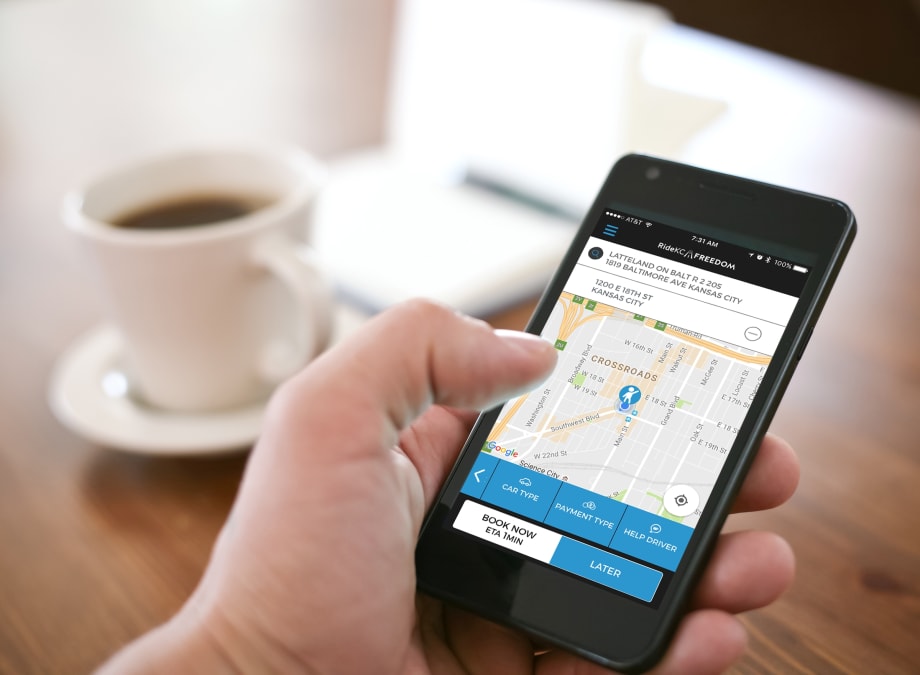
Beginning May 1, 2017, the Kansas City Area Transportation Authority (KCATA), in partnership with Transdev, will roll out an app-based public transit service called RideKC Freedom On-Demand. This one-year pilot enables customers to call on taxis any day, at any hour, to enjoy everything Kansas City has to offer.
“We can’t solve all of our transportation needs with a big 40-foot bus,” said Robbie Makinen, KCATA president/CEO. “That’s why KCATA is continuing to innovate and work collaboratively with the private sector to provide the best mobility solutions for the region, whether that’s a bus, a streetcar, a taxi or a bike.”
RideKC Freedom On-Demand is a new app-based transit option that begins with a strong core service for persons with disabilities and builds out to provide fast, affordable cab rides for everyone. Scheduling can be done when it’s convenient and does not have to be done a day in advance like the current paratransit system requires. Customers can pay with credit or debit cards in the app or in the vehicle, as well as cash in the vehicle, and they can even get change. There is a call-in option for those who do not use smartphones.
“RideKC Freedom is unique in that the service concept was created first to better serve persons with disabilities, and then build out for everyone,” said Makinen, who lost his sight nearly five years ago and became dependent on public transportation. “Traditionally, transit agencies create service for the masses and then try to figure out how to serve persons with disabilities. We have done the opposite here.”
RideKC Freedom On-Demand starts May 1 as a one-year pilot serving an area north of the river and an area south of the river. Customers must start their trip within the designated area to qualify for the ADA reduced fares. If their trip takes them out of the service area, they will pay regular a slightly higher fare on the return trip.
Customers can download the RideKC Freedom On-Demand app from the Google Play store or the Apple App Store. ADA customers have a personal paratransit number that identifies them as certified ADA customers so they are charged the lower ADA fare. All other customers using the app won’t have an authorization code, and will simply pay the required cab fare.
A single fare enables customers to bring three guests with them at no additional charge. As an added bonus: a portion of the regularly priced fares on non-ADA trips will be returned to KCATA by its taxi partner, Transdev, to reinvest in transit service.
ADA customers will pay just $3 for the first eight miles in the service areas and $2 for every mile after that. Non-ADA customers 65 years of age and older, will pay $5 for the first eight miles in the service areas and $2 for every mile after that. All general public customers will pay $10 for the first five miles and $2 for every mile after that, which is similar to other ride hailing services.
More Paratransit

Biz Briefs: RIPTA Unveils New Frontrunners, Clevland RTA Adds New Siemens, and More
In METRO's latest installment, we take a look at recent news from Siemens, Prevost, Dodge, and more partnerships making headlines across the transportation sector.
Read More →
King County Metro Makes ADA Paratransit Easier to Navigate
METRO's Innovative Solutions Award winner replaces complex service-area descriptions with an accessible, interactive map that puts paratransit information directly in customers’ hands.
Read More →
Jacksonville’s NAVI Project Charts a New Course for Autonomous Public Transportation
Through its NAVI program, JTA is showing how autonomous vehicles, intelligent infrastructure, and coordinated operations can work together to deliver everyday public transportation.
Read More →
Driving Smarter Paratransit
John Hanlon shares how AlphaRoute is leveraging AI-powered technology to help paratransit providers optimize operations, support frontline staff, and enhance the rider experience.
Read More →
METRO Magazine Announces 2026 Innovative Solutions Awards Winners
Projects Recognized for Advancing Mobility Through Technology, Accessibility, Workforce Innovation, and Operational Excellence
Read More →
Biz Briefs: STV teams with Amtrak, Motorcoach Operators Boost Fleet and Land Contracts, and More
From manufacturers and suppliers to transit agencies and motorcoach operators, these updates offer a snapshot of the projects, partnerships and business moves driving the industry forward.
Read More →
Biz Briefs: Masabi Teams with St. Louis Metro and More
In METRO's latest installment, we take a look at recent news from Transdev, Hitachi, and more partnerships making headlines across the transportation sector.
Read More →
New York MTA Leverages Zoning Program to Advance Station Accessibility
Accessibility enhancements at Nevins St Station will be financed through a development agreement tied to the MTA's Zoning for Accessibility initiative.
Read More →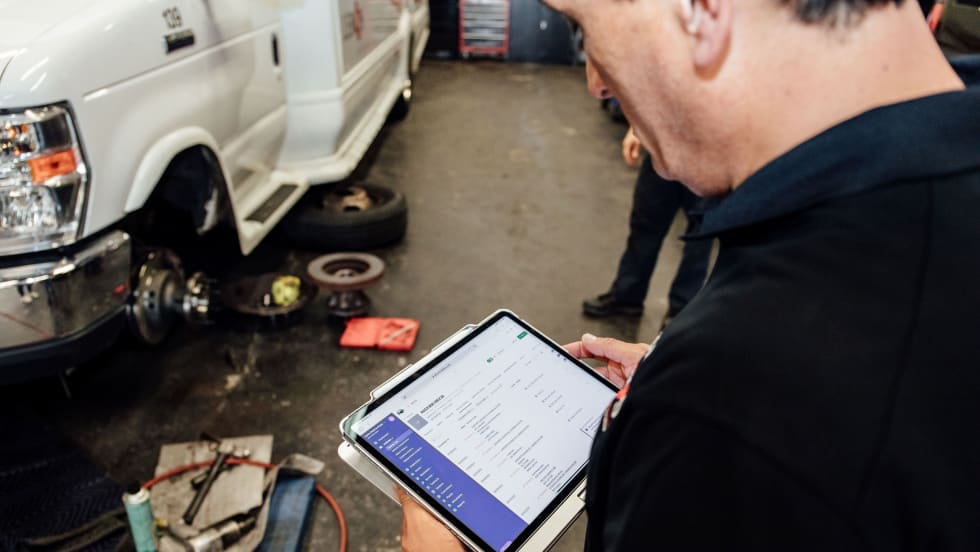
Reinventing Fleet Maintenance with Real-time Visibility and AI
Transit leaders need to know what needs fixing, where to look, who is responsible, when work is completed, and what it costs without having to chase information across disconnected systems.
Read More →
SamTrans Sets Priorities for Potential Connect Bay Area Revenue
The board-approved framework allocates future funding to maintaining service, rider improvements, equity initiatives, and infrastructure repairs.
Read More →