



Report: Parking subsidies leave taxpayers shouldering $7.3 billion burden annually
Report found that the federal parking subsidy puts 820,000 more cars on America’s most congested roads in its most congested cities.


TransitCenter
TransitCenter
The commuter parking benefit results in $7.3 billion in forgone revenue annually while also increasing traffic congestion in our most congested cities, according to a new report. The report, “Subsidizing Traffic Congestion: The Multibillion-Dollar Tax Subsidy That’s Making Your Commute Worse,” released today by the civic organizations TransitCenter and Frontier Group, also found that the $1.3 billion public transportation benefit removes only about a tenth of the roughly 820,000 cars added to the road by the parking subsidy.
“The government should update its tax incentives to influence travel demand so that they fit the needs of today’s commuters,” said David Bragdon, Executive Director of TransitCenter. “Regardless of whether the Treasury is spending dollars or not collecting them in the first place, those dollars ought to be targeted for maximum positive impact on our transportation system.”
Currently, employees who drive to work may receive up to $250 a month tax-free for employer-paid or employer-provided parking through reimbursements, vouchers or free parking if it has market value. Typically, these subsidies deliver the greatest benefit to the wealthy and people who work in dense employment centers, such as downtown areas that are already prone to traffic congestion during the morning and evening rush hours.
“Most Americans might think that the parking tax subsidy benefits them,” said Tony Dutzik, senior policy analyst at Frontier Group and lead author of the report. “But we found the opposite: while only about a third of us benefit from the parking subsidy, everyone pays in the form of more congestion and an increased tax burden.”
In January of 2014, the law which maintained parity between the transit and parking subsidies expired and without Congressional action to extend it, the maximum amount transit commuters could receive tax-free through their employer fell to $130 a month. Restoring parity would help, by encouraging commuters with more expensive transit commutes to continue to leave their cars at home. Even with parity, however, the net effect of the parking and transit subsidies, for those workers with access to both, is to cancel each other out.
The high toll of the parking benefit is further exacerbated by the fact that it touches on such a small portion of the U.S. workforce: while one third of U.S. workers receive parking benefits, only 2 percent receive transit benefits. In spite of its detrimental effects on the transportation system, the parking benefit was created with no transportation purpose whatsoever.
In order to align tax policy with the nation’s transportation goals, TransitCenter and Frontier Group recommend that the federal government:
Eliminate the parking benefit;
At least restore parity between parking and transit benefits; and
Explore improvements to the current transit benefits – such as refundable tax credits for household transit expenditures – that deliver financial support to a broader range of transit users
More Paratransit
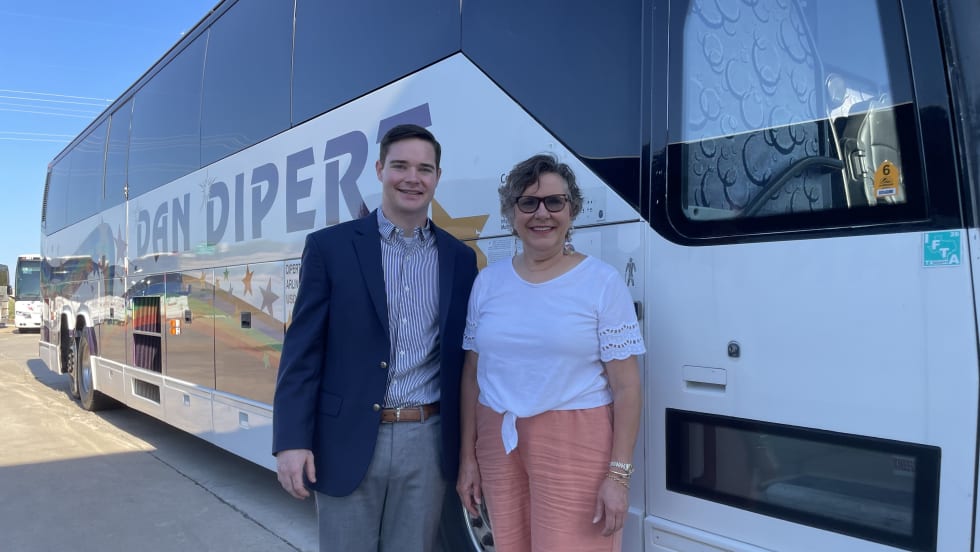
People Movement: Dan Dipert Coaches Adds Third-Generation Leader, Keolis Names New Valley Metro VP/GM, and More
In this edition, we also cover recent appointments and announcements at the Wabtec, SilverRide, HNTB, and more, showcasing the individuals helping to shape the future of transportation.
Read More →
Biz Briefs: RIPTA Unveils New Frontrunners, Clevland RTA Adds New Siemens, and More
In METRO's latest installment, we take a look at recent news from Siemens, Prevost, Dodge, and more partnerships making headlines across the transportation sector.
Read More →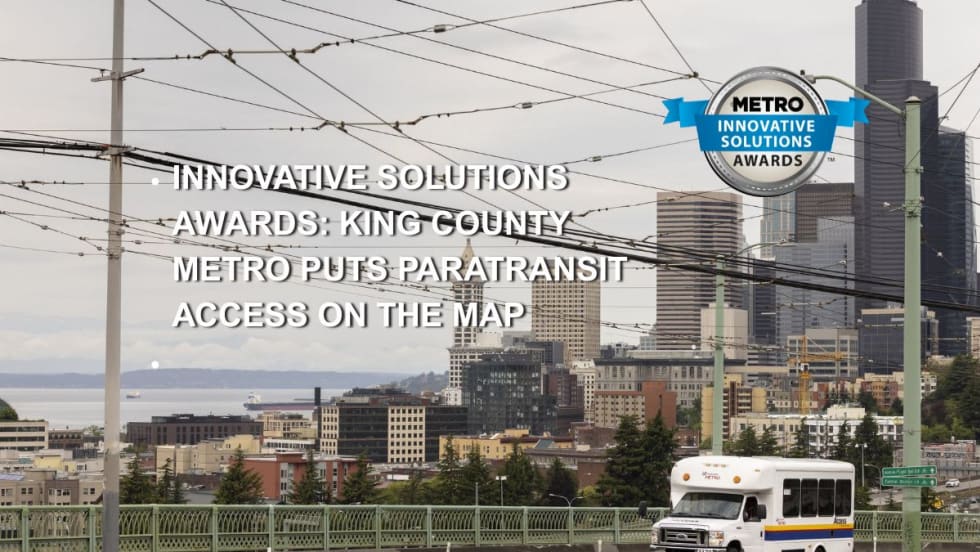
King County Metro Makes ADA Paratransit Easier to Navigate
METRO's Innovative Solutions Award winner replaces complex service-area descriptions with an accessible, interactive map that puts paratransit information directly in customers’ hands.
Read More →
Jacksonville’s NAVI Project Charts a New Course for Autonomous Public Transportation
Through its NAVI program, JTA is showing how autonomous vehicles, intelligent infrastructure, and coordinated operations can work together to deliver everyday public transportation.
Read More →
Driving Smarter Paratransit
John Hanlon shares how AlphaRoute is leveraging AI-powered technology to help paratransit providers optimize operations, support frontline staff, and enhance the rider experience.
Read More →
METRO Magazine Announces 2026 Innovative Solutions Awards Winners
Projects Recognized for Advancing Mobility Through Technology, Accessibility, Workforce Innovation, and Operational Excellence
Read More →
Biz Briefs: STV teams with Amtrak, Motorcoach Operators Boost Fleet and Land Contracts, and More
From manufacturers and suppliers to transit agencies and motorcoach operators, these updates offer a snapshot of the projects, partnerships and business moves driving the industry forward.
Read More →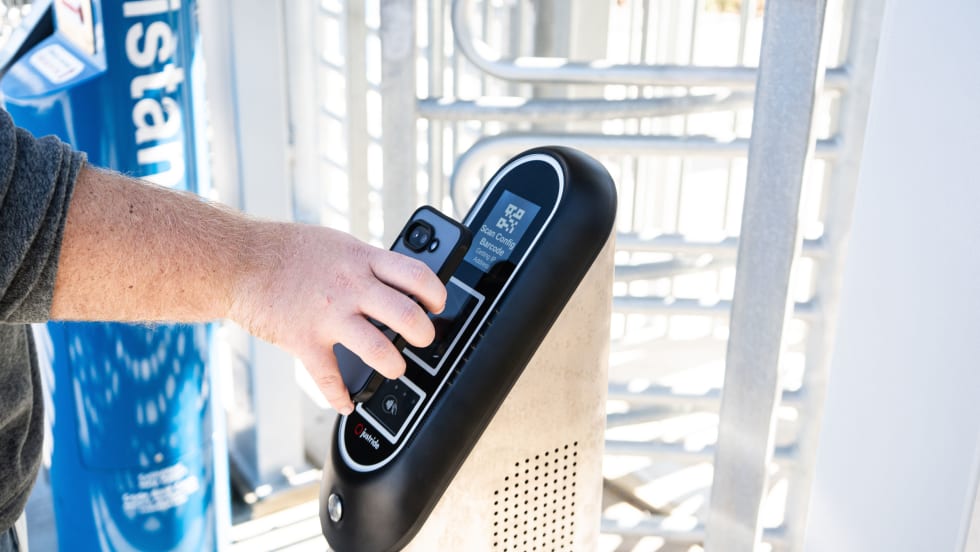
Biz Briefs: Masabi Teams with St. Louis Metro and More
In METRO's latest installment, we take a look at recent news from Transdev, Hitachi, and more partnerships making headlines across the transportation sector.
Read More →
New York MTA Leverages Zoning Program to Advance Station Accessibility
Accessibility enhancements at Nevins St Station will be financed through a development agreement tied to the MTA's Zoning for Accessibility initiative.
Read More →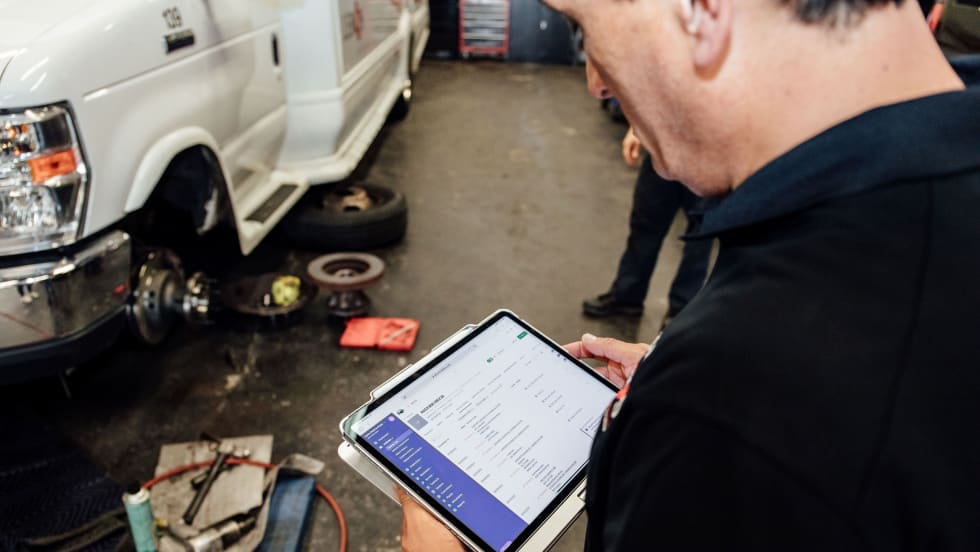
Reinventing Fleet Maintenance with Real-time Visibility and AI
Transit leaders need to know what needs fixing, where to look, who is responsible, when work is completed, and what it costs without having to chase information across disconnected systems.
Read More →