



SEPTA celebrates 50 years
Will celebrate with an ad campaign featuring logos used over the past 50 years, gathering and sharing stories, photos and memorabilia from riders.

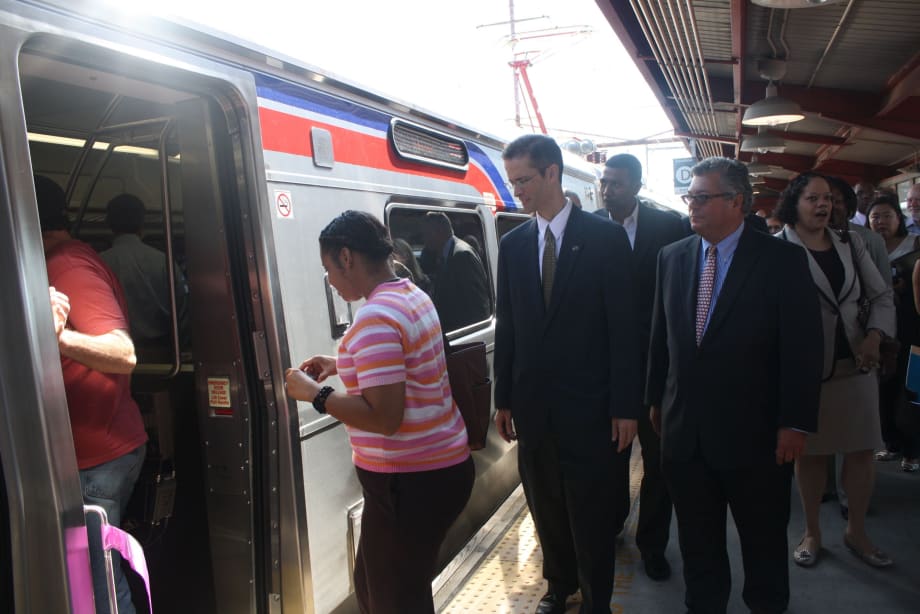
Fifty years ago on Tuesday, Southeastern Pennsylvania Transportation Authority (SEPTA) held its first organizational meeting, forming the beginnings of today’s transit system.
In the late 1950s and early 1960s, according to SEPTA officials, public transportation in the Philadelphia region was failing. A number of factors, including the growing popularity of the car, families and jobs moving to the suburbs, and too many private transit providers competing for the same riders, resulted in a steady decline in the use of mass transit.
With profits falling, nearly bankrupt transit and rail companies were looking to exit the passenger business altogether. The need for government intervention and the establishment of a permanent body to run urban transit and coordinate regional service was apparent.
The problem was solved when SEPTA was charged with the planning, development, and coordination of a regional transportation system for Philadelphia, Bucks, Chester, Delaware, and Montgomery Counties.
Starting with the absorption of the Philadelphia Transit Company (PTC) in September 1968, SEPTA evolved to become the nation's sixth largest public transportation system and one of only two agencies that operate bus, subway, trolley bus, and commuter rail all under one umbrella, serving nearly 340 million riders each year.
SEPTA is planning a year-long campaign with stories from the past to celebrate 50 years of service to the region. A list of upcoming events and programs includes:
An advertising campaign that will feature the SEPTA logos used during the past 50 years.
Encouraging riders to share their "first ride on SEPTA stories" through the ISEPTAPHILLY campaign. With ads now running in local media featuring a tagline about this historical milestone that says: "We're celebrating the future of SEPTA with great stories from the past. SEPTA is the vehicle, but the journey is yours."
Special contests with prizes will also be hosted throughout the year on ISEPTAPHILLY.com.
Hosting "Throwback Thursdays" and "Flashback Fridays" on the SEPTA Website, and on social media, featuring SEPTA retirees, and classic stories about the agency's development and past.
Establishing a "storyteller station" at the Transit Museum Store for the public to share their stories about SEPTA, donate photos, and other memorabilia.
Central to all of these programs is the establishment of an official SEPTA archive.
"We often receive calls from the public and media about a place to access photos and information about the authority's history, but we never hosted a formal place for this. With this anniversary, we look forward to building and enriching an archive with the help of our riders, friends, and neighbors," said SEPTA GM Joseph M. Casey. "In addition to their contributions, we're asking the public and the press to keep an ear out for additional celebrations and festivities as the year moves forward."
More Paratransit

Driving Smarter Paratransit
John Hanlon shares how AlphaRoute is leveraging AI-powered technology to help paratransit providers optimize operations, support frontline staff, and enhance the rider experience.
Read More →
People Movement: Dan Dipert Coaches Adds Third-Generation Leader, Keolis Names New Valley Metro VP/GM, and More
In this edition, we also cover recent appointments and announcements at the Wabtec, SilverRide, HNTB, and more, showcasing the individuals helping to shape the future of transportation.
Read More →
Biz Briefs: RIPTA Unveils New Frontrunners, Clevland RTA Adds New Siemens, and More
In METRO's latest installment, we take a look at recent news from Siemens, Prevost, Dodge, and more partnerships making headlines across the transportation sector.
Read More →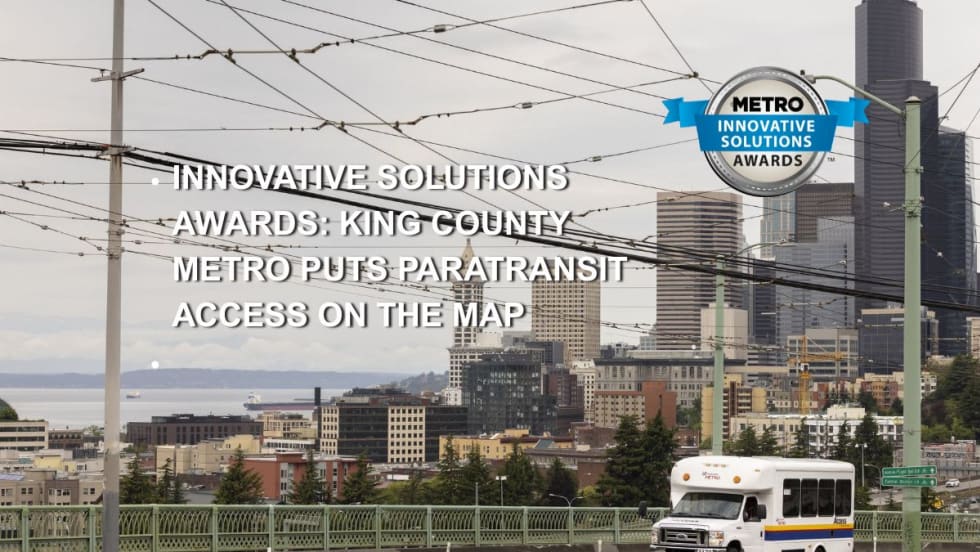
King County Metro Makes ADA Paratransit Easier to Navigate
METRO's Innovative Solutions Award winner replaces complex service-area descriptions with an accessible, interactive map that puts paratransit information directly in customers’ hands.
Read More →
Jacksonville’s NAVI Project Charts a New Course for Autonomous Public Transportation
Through its NAVI program, JTA is showing how autonomous vehicles, intelligent infrastructure, and coordinated operations can work together to deliver everyday public transportation.
Read More →
Driving Smarter Paratransit
John Hanlon shares how AlphaRoute is leveraging AI-powered technology to help paratransit providers optimize operations, support frontline staff, and enhance the rider experience.
Read More →
METRO Magazine Announces 2026 Innovative Solutions Awards Winners
Projects Recognized for Advancing Mobility Through Technology, Accessibility, Workforce Innovation, and Operational Excellence
Read More →
Biz Briefs: STV teams with Amtrak, Motorcoach Operators Boost Fleet and Land Contracts, and More
From manufacturers and suppliers to transit agencies and motorcoach operators, these updates offer a snapshot of the projects, partnerships and business moves driving the industry forward.
Read More →
Biz Briefs: Masabi Teams with St. Louis Metro and More
In METRO's latest installment, we take a look at recent news from Transdev, Hitachi, and more partnerships making headlines across the transportation sector.
Read More →
New York MTA Leverages Zoning Program to Advance Station Accessibility
Accessibility enhancements at Nevins St Station will be financed through a development agreement tied to the MTA's Zoning for Accessibility initiative.
Read More →