



U.S. DOT unveils actions to combat ‘distracted driving’
Immediate actions the U.S. DOT is taking to combat distracted driving include making permanent restrictions on the use of cell phones and other electronic devices in rail operations.

At the conclusion of a two-day summit on distracted driving in Washington, D.C. on Thursday, U.S. Transportation Secretary Ray LaHood announced a series of concrete actions the Obama Administration and the U.S. Department of Transportation (U.S. DOT) are taking to help put an end to distracted driving.
On Wednesday, President Obama signed an Executive Order directing federal employees not to engage in text messaging while driving government-owned vehicles; when using electronic equipment supplied by the government while driving; or while driving privately owned vehicles when they’re on official government business. The order also encourages federal contractors and others doing business with the government to adopt and enforce their own policies banning texting while driving on the job.
“This order sends a very clear signal to the American public that distracted driving is dangerous and unacceptable. It shows that the federal government is leading by example,” said Secretary LaHood. “I fully expect that all 58,000 DOT employees and contractors will take this order seriously. Let’s show our friends and families that we can resist the temptation to answer the phone, send a message, or allow some other distraction to interfere with our driving.”
Secretary LaHood pledged to work with Congress to ensure that the issue of distracted driving is appropriately addressed. He also announced a number of immediate actions the Department is taking to combat distracted driving, including the Department’s plan to create three separate rulemakings that would consider:
Making permanent restrictions on the use of cell phones and other electronic devices in rail operations.
Banning text messaging altogether, and restrict the use of cell phones by truck and interstate bus operators.
Disqualifying school bus drivers convicted of texting while driving, from maintaining their commercial driver’s licenses.
The two-day summit brought together safety experts, researchers, industry representatives, elected officials and members of the public who shared their expertise, experiences and ideas for reducing distracted driving behavior and addressed the safety risk posed by this growing problem across all modes of transportation. Authoritative speakers from around the nation led interactive sessions on a number of key topics including the extent and impact of distracted driving, current research, regulations and best practices. Individuals from 49 states participated in the summit via the Web.
To watch Secretary LaHood’s video blog on distracted driving visit http://www.dot.gov/new/index.htm. The full Webcast of the summit will be available later this week on www.dot.gov.
More Paratransit

Driving Smarter Paratransit
John Hanlon shares how AlphaRoute is leveraging AI-powered technology to help paratransit providers optimize operations, support frontline staff, and enhance the rider experience.
Read More →
METRO Magazine Announces 2026 Innovative Solutions Awards Winners
Projects Recognized for Advancing Mobility Through Technology, Accessibility, Workforce Innovation, and Operational Excellence
Read More →
Biz Briefs: STV teams with Amtrak, Motorcoach Operators Boost Fleet and Land Contracts, and More
From manufacturers and suppliers to transit agencies and motorcoach operators, these updates offer a snapshot of the projects, partnerships and business moves driving the industry forward.
Read More →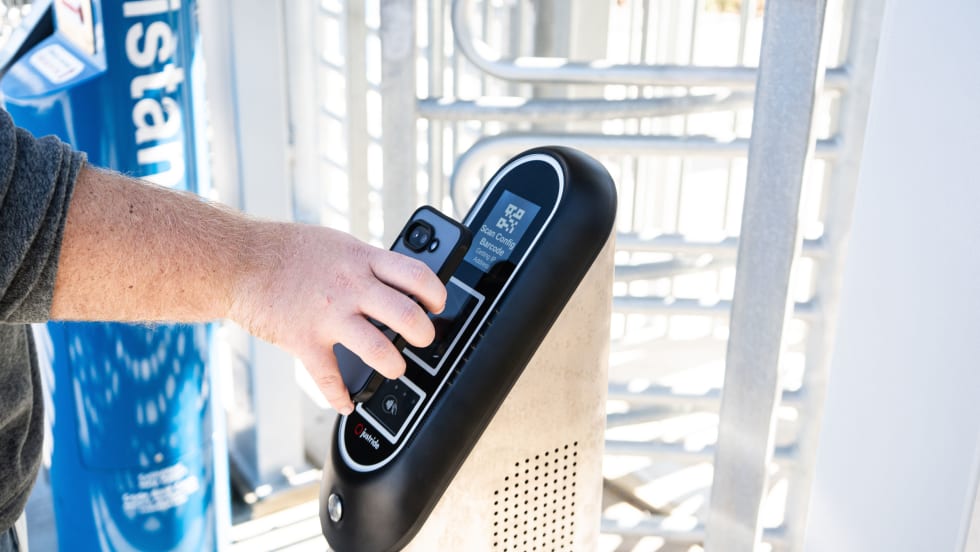
Biz Briefs: Masabi Teams with St. Louis Metro and More
In METRO's latest installment, we take a look at recent news from Transdev, Hitachi, and more partnerships making headlines across the transportation sector.
Read More →
New York MTA Leverages Zoning Program to Advance Station Accessibility
Accessibility enhancements at Nevins St Station will be financed through a development agreement tied to the MTA's Zoning for Accessibility initiative.
Read More →
Reinventing Fleet Maintenance with Real-time Visibility and AI
Transit leaders need to know what needs fixing, where to look, who is responsible, when work is completed, and what it costs without having to chase information across disconnected systems.
Read More →
SamTrans Sets Priorities for Potential Connect Bay Area Revenue
The board-approved framework allocates future funding to maintaining service, rider improvements, equity initiatives, and infrastructure repairs.
Read More →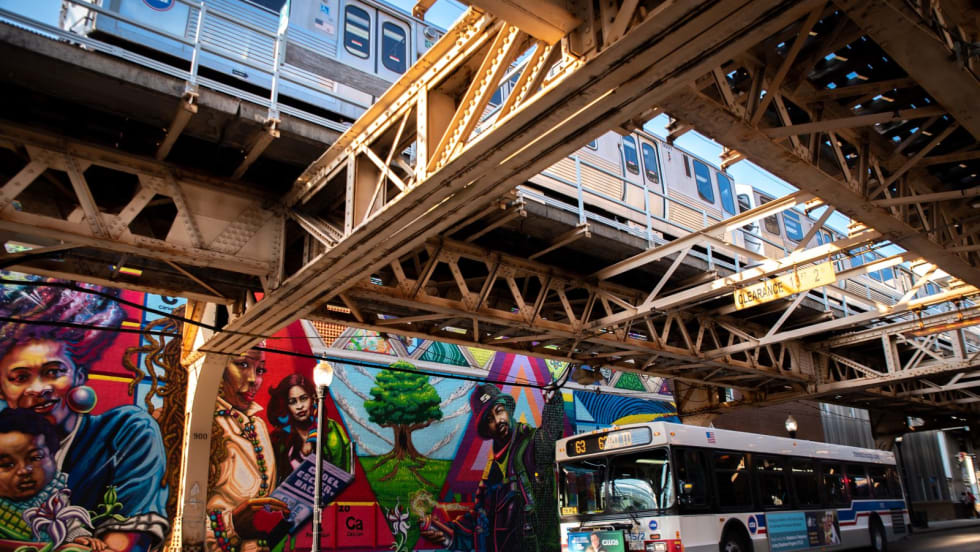
Chicago's NITA Act Moves Into Next Phase as Service Improvements Begin
Rider-focused improvements will begin rolling out across the system immediately as CTA, Metra, and Pace increase service this summer in the six-county region.
Read More →
2026 METRO Buyer’s Guide & Directory
Searching for the right vehicles, technology, equipment, or services for your public transit or motorcoach operation? This industry guide brings together manufacturers and suppliers from across the transportation market — all in one place. Download it to connect with the companies that help agencies and operators improve mobility, enhance operations, and move their organizations forward.
Read More →
Rays the Mark Foundation to Honor CDTA’s Emily DeVito at October Fundraiser
Event at Chicago-area Ravisloe Country Club will support DeVito, a transit employee and mother of twins battling kidney failure and awaiting a transplant.
Read More →