
Metro Magazine

 MENU
MENU SEARCHMENUSEARCH
Municipalities and other organizations using stations include NY/NJ Port Authority, Long Island Bus/Transit Authority and New York City Metropolitan Transportation Authority.
Read More →Plans to add bike and bus lanes on campus to enhance transportation on campus and help mitigate rush hour traffic. While the bus lanes may take decades to add, the bike lanes may only take two to three years.
Read More →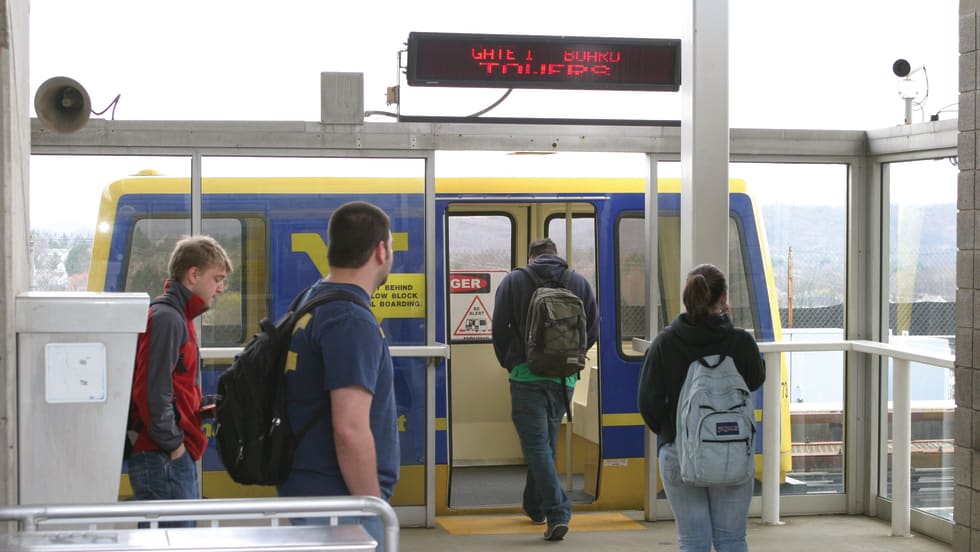
Campus transit operators offer a wide range of additional transit options, ranging from charter bus services to partnerships with Greyhound and Megabus to coordinating with Amtrak for students going home for the holidays. Additionally, one operator extended its late-night demand-response service for students who stay on campus during Thanksgiving and winter breaks.
Read More →CAT-TRAN’s two new vehicles feature new colors. The system also removed some stops on its routes for efficiency and safety.
Read More →In addition, students, faculty and staff will now be riding on the newly designed buses to and from campus. The 28 new buses are Eldorado EZ Rider II heavy-duty transit buses.
Read More →The university’s Department of Transportation Services will put the $60,000 it cost to run the three routes annually toward the more popular Shady Grove route. Some passengers on the eliminated routes said there was no discussion of the cuts with them, and are upset.
Read More →Opponents say Measure J, which would extend an existing transit tax from 2039 to 2069, providing money to speed completion of at least six rail projects by 2024, would significantly raise fares, cut bus lines or both due to the cost of operating so many new lines ahead of schedule.
Read More →Encouraging riders, using the Instagram photo application, to take photos of SEPTA during their daily use of the system and caption the photo with what riding SEPTA means to them, along with the hash tag #iseptaphilly. Photos are aggregated into a live photo stream on www.iSEPTAPhilly.com.
Read More →New Jersey will use $10 million to help maintain essential traffic flow and repair sections of highway necessary to prevent further damage. Connecticut will use $2 million for general emergency federal aid highway repairs.
Read More →