
Metro Magazine

 MENU
MENU SEARCHMENUSEARCH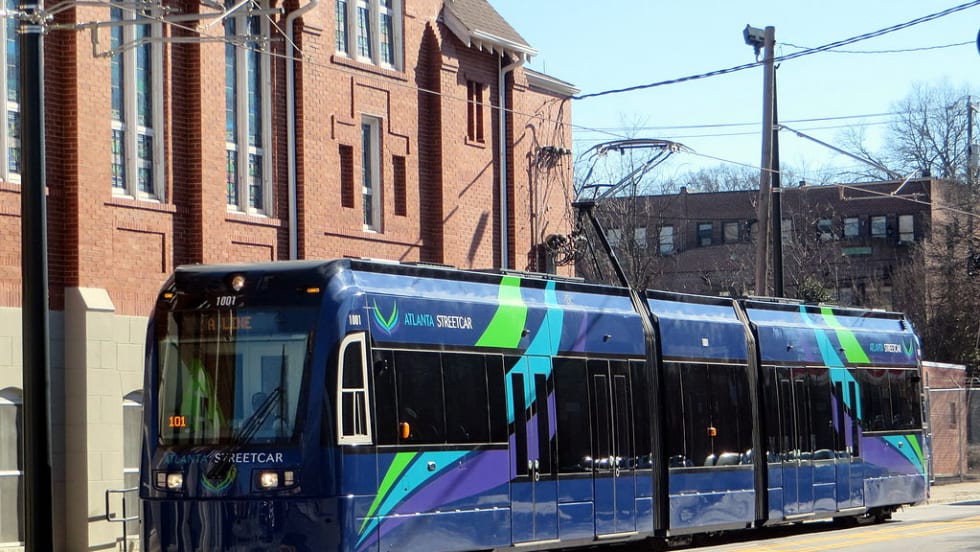
The FTA monies would go toward an “Atlanta Beltline Transit Supportive Land Use Implementation Plan,” involving 16 miles of proposed east, west and crosstown streetcar corridors.
Read More →
Combined with $25 million a year in tribal formula funds, funding for Tribal Transit was increased to $30 million annually under the FAST Act.
Read More →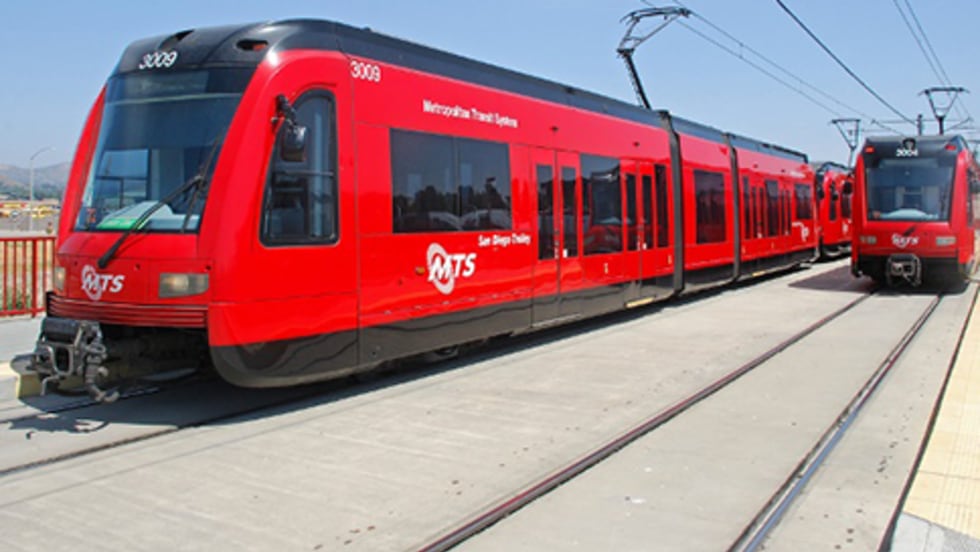
The extension will improve access to employment hubs and numerous educational and medical facilities north of downtown, making it easier for people to travel throughout the city.
Read More →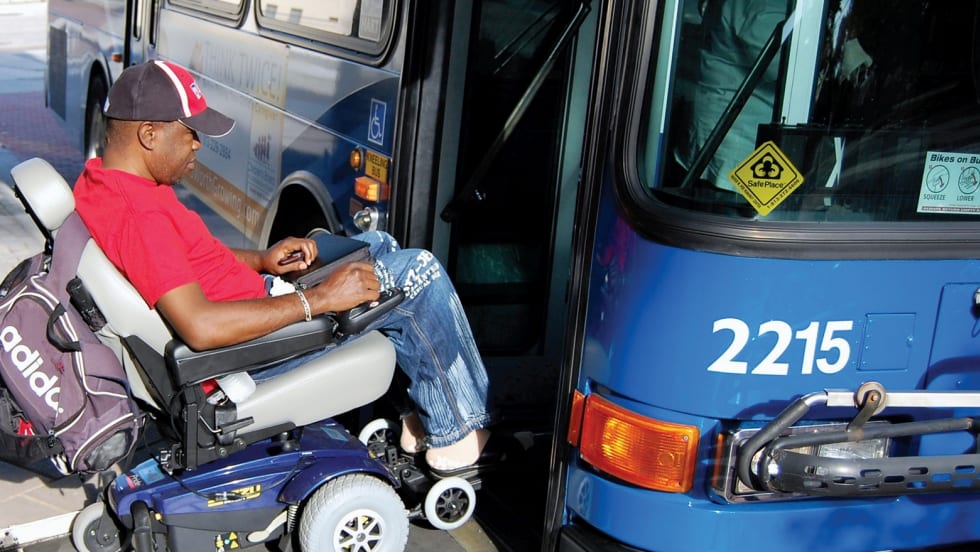
Grants to 19 projects in 16 states will build partnerships between health, transportation, and other service providers to address the problem of how to get people without vehicles to doctors and wellness appointments to help them maintain good health.
Read More →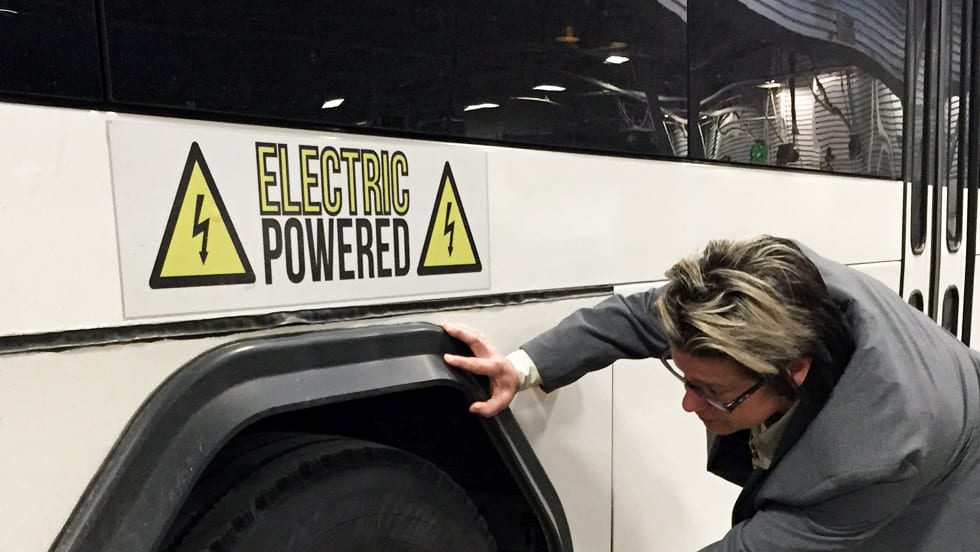
Learn's main focus is ensuring that all buses are kept up to FTA standards, as well as employee and public safety, which she considers to be her biggest responsibility.
Read More →
Sixty one projects in 41 states, the Virgin Islands, and Indian Country will receive a share of nearly $211 million to replace, rehabilitate, and purchase transit buses and related equipment, and construct bus-related facilities.
Read More →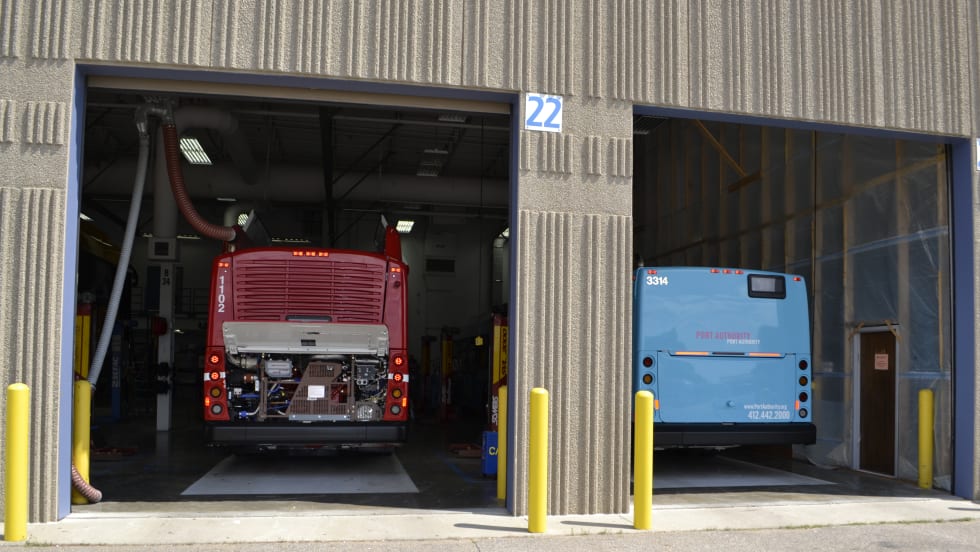
Under the FTA final policy guidance, the Buy America domestic content requirements for transit rolling stock procurements for railcars and buses will be based on the scheduled delivery date of the first production vehicle.
Read More →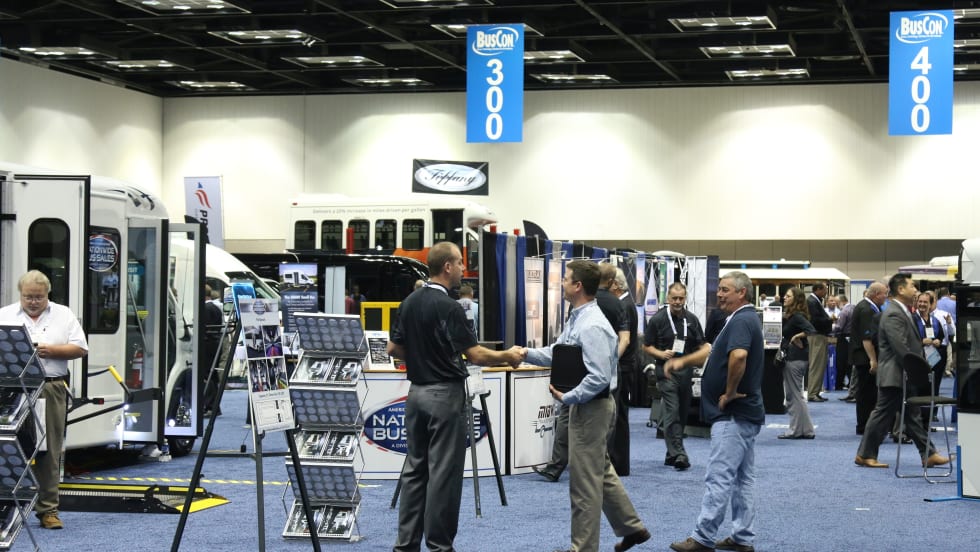
A Transit Maintenance Forum pass is $98 and includes the forum as well as access to BusCon’s full educational program, the exhibit hall full of buses, networking event at the Indianapolis Motor Speedway Museum and much more.
Read More →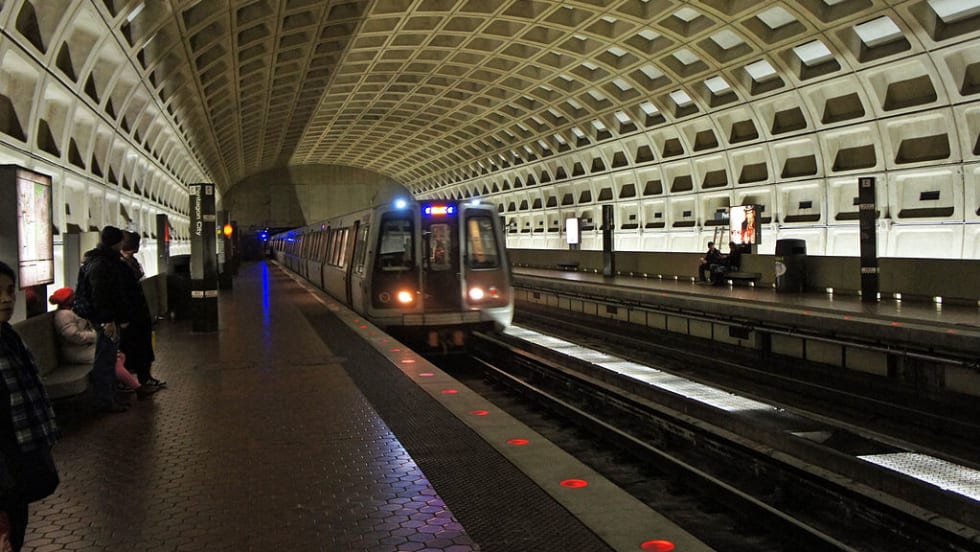
The investigation uncovered a lack of compliance with WMATA’s internal rules and procedures for unattended rail vehicle securement for both revenue passenger trains and maintenance machines and equipment located in rail yards.
Read More →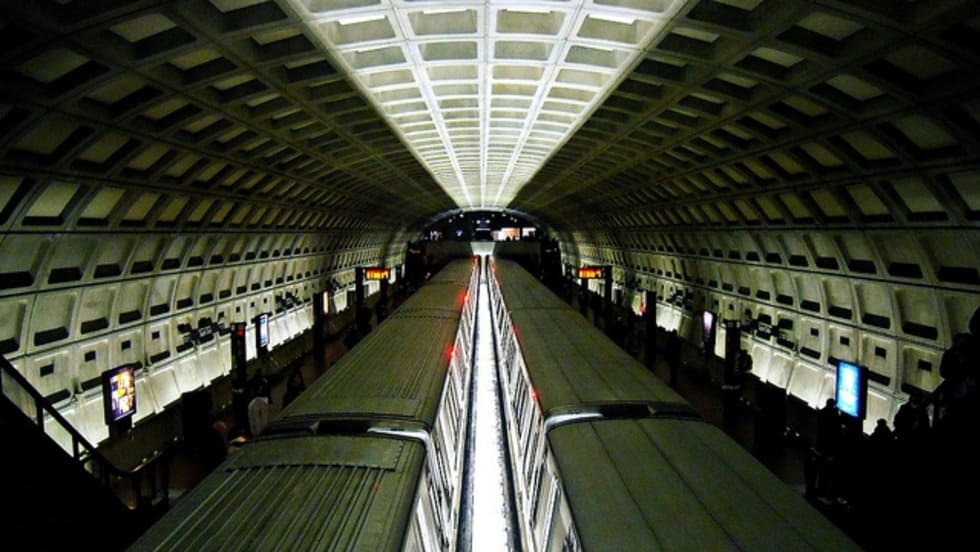
The $900,000 in funds will be used to hire contractors to specifically participate in FTA’s oversight efforts in an effort to eventually transfer that knowledge and expertise to the new Metrorail Safety Commission.
Read More →