
Metro Magazine

 MENU
MENU SEARCHMENUSEARCH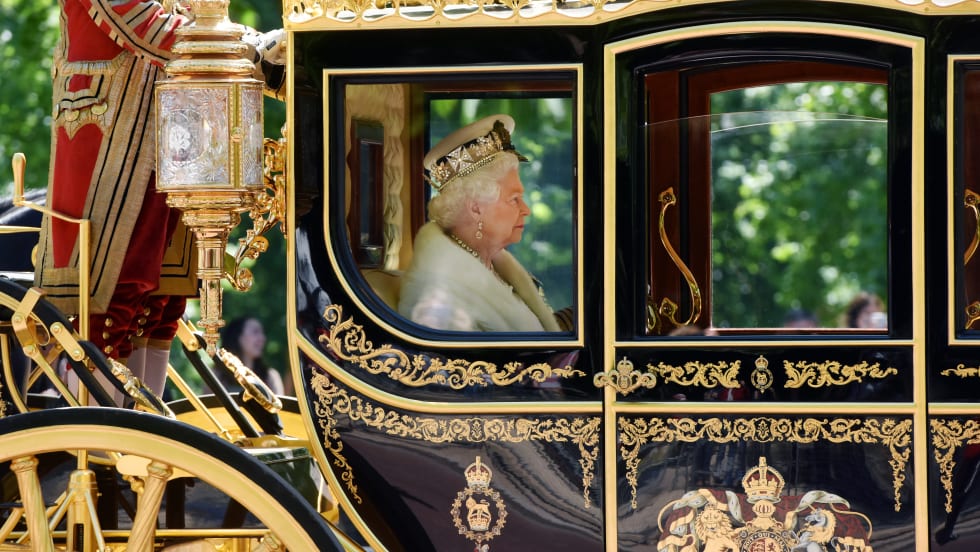
Recently, media outlets in Boston were all atwitter when Massachusetts Gov. Charlie Baker was spotted riding the T.
Read More →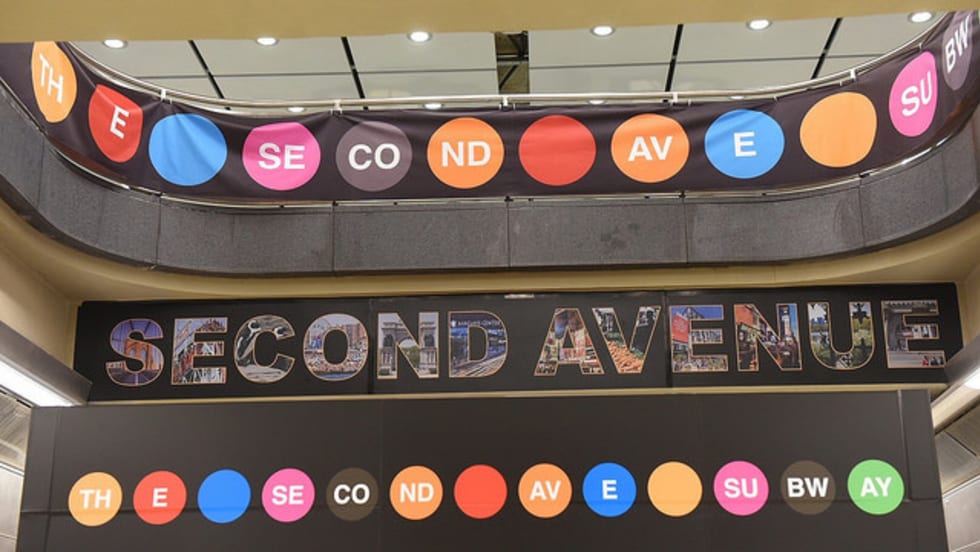
The tweet, which earned at least 3,000 retweets, announced delays on the “1,2,3,4,5,6,7,A,C,E,B,D,F,M,J,Z,N,Q,R,W, and G” trains.
Read More →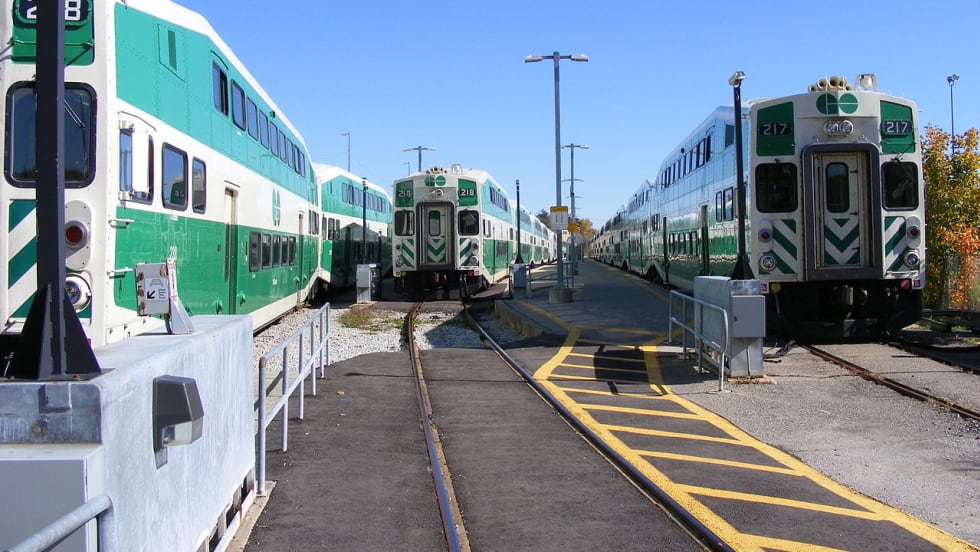
While the new Twitter accounts will focus on specific delays for each train line, commuters will still have to check the main @GOTransit account for messages affecting the entire system, such as a snow alert or severe weather warnings.
Read More →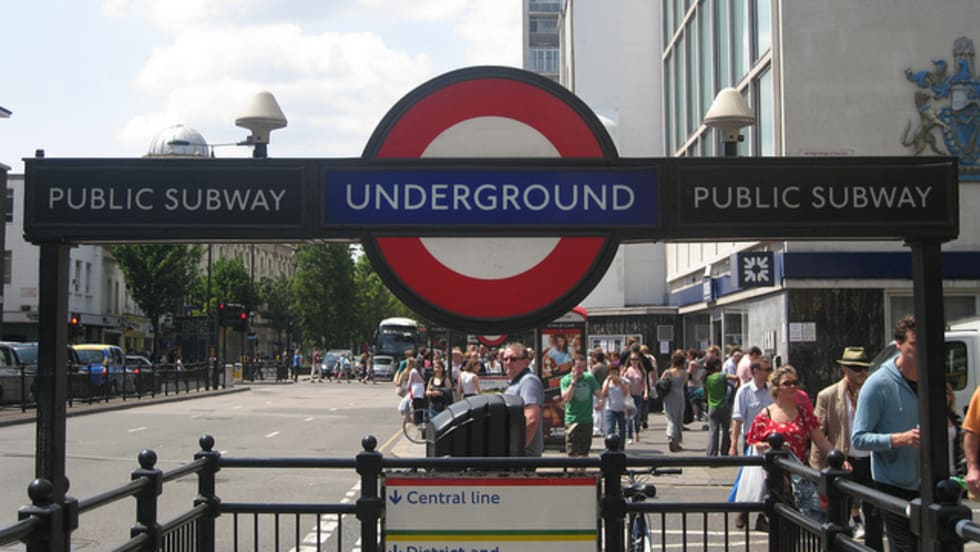
Pilot of new information service to provide live notifications of severe delays directly to customers' mobiles or computers to alert them more quickly. First time that Twitter has partnered with a transport authority to provide live travel information to customers using this innovative approach.
Read More →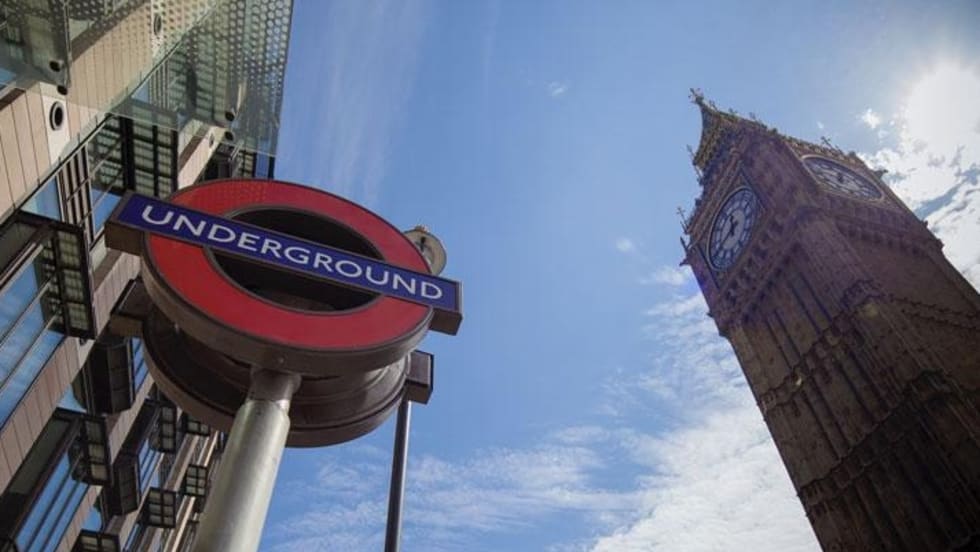
The agency backed away from its decision because it gave the perception that it was "stepping back from providing the full-range of information" it currently provides to customers, which was not the intention.
Read More →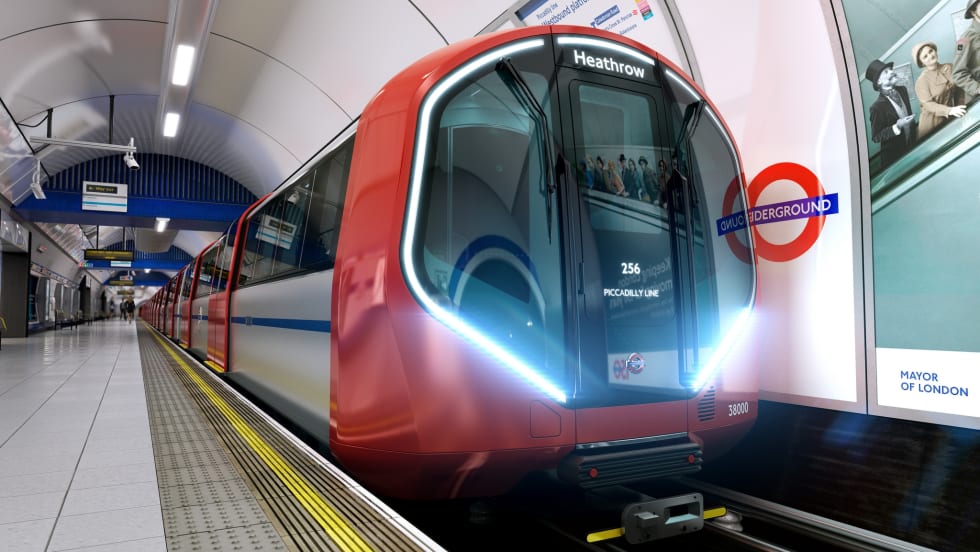
Officials are reportedly in talks with Twitter to figure out if there is a way they can still use the service to update riders. Twitter recently changed the ordering of its feed from chronological to most popular.
Read More →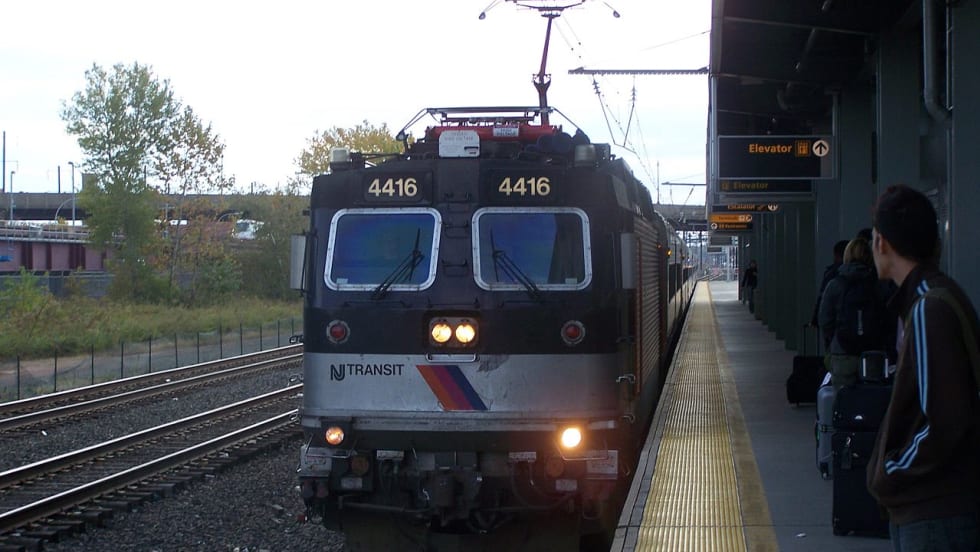
Train #3817 left New York Penn Station with about 300 passengers at 6:35 a.m., heading to Trenton, when it hit the man, whose identity was not immediately known. NJ Transit trains ran up to 20 minutes late, with regular service restored by around 7:30 a.m., according to the agency’s Twitter feed.
Read More →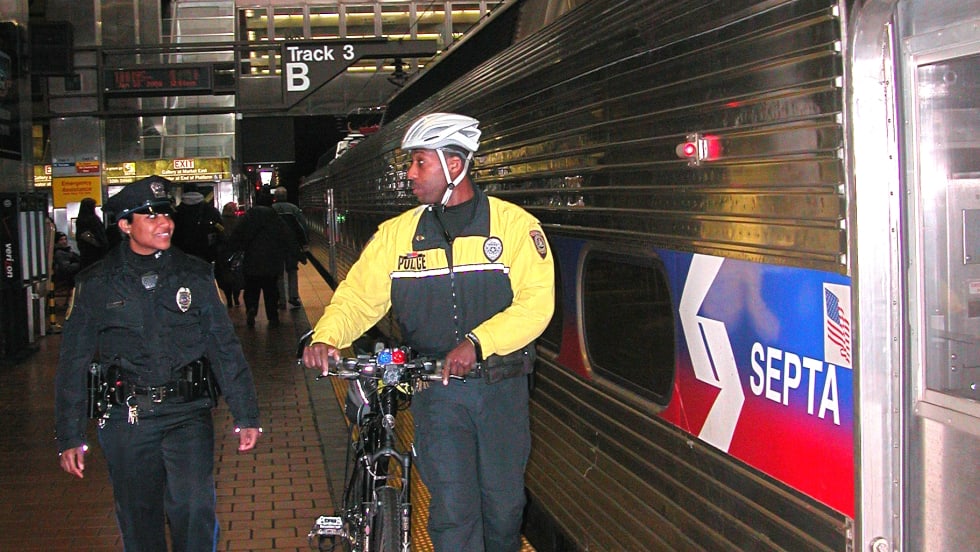
The quick arrest was the result of SEPTA’s Police Chief Thomas Nestel’s frequent use of Twitter. Chief Nestel, who said that Twitter has become part of the police forces arsenal, was able to get basic information to officers who intercepted the train and the suspect within eight minutes.
Read More →
Sacramento Republic FC and Sacramento Kings officials say the campaign on Facebook, Instagram and Twitter will give riders and non-riders a forum to post comments, questions, gripes, ideas, photos and videos — and a chance for RT to respond.
Read More →
Agencies that use Twitter to respond to users’ complaints or answer questions get more positive Twitter reaction and more civil discourse online, according to Lisa Schweitzer the author of a recent study analyzing tweets of public transit agencies. “It’s about the marketing potential of social media — a lot of public transit agencies are simply tweeting their problems to the world by blasting out late service announcements. That’s not a good use of Twitter,” she says. “Transit agencies can influence the tone of the discussion by interacting with patrons online,” Schweitzer explains. “It gives people something to respond to, and it reminds people that somebody is listening.”
Read More →