
Metro Magazine

 MENU
MENU SEARCHMENUSEARCH
In the best-case scenario, policymakers would incorporate self-driving car technology into their plans, rather than competing with it for market share.
Read More →
The program, known as the Mobility on Demand Sandbox, will support research and technology deployments that improve public transportation efficiency and effectiveness, enhancing safety and connectivity in America’s transportation system.
Read More →
After this initial application, the new insights will drive the development of a mobile application specifically tailored for blind or visually impaired riders.
Read More →
Since many APC systems are now being installed at the bus or train vendor’s manufacturing facility — before they are delivered to the agency — the importance of accurate APC technology descriptions is crucial.
Read More →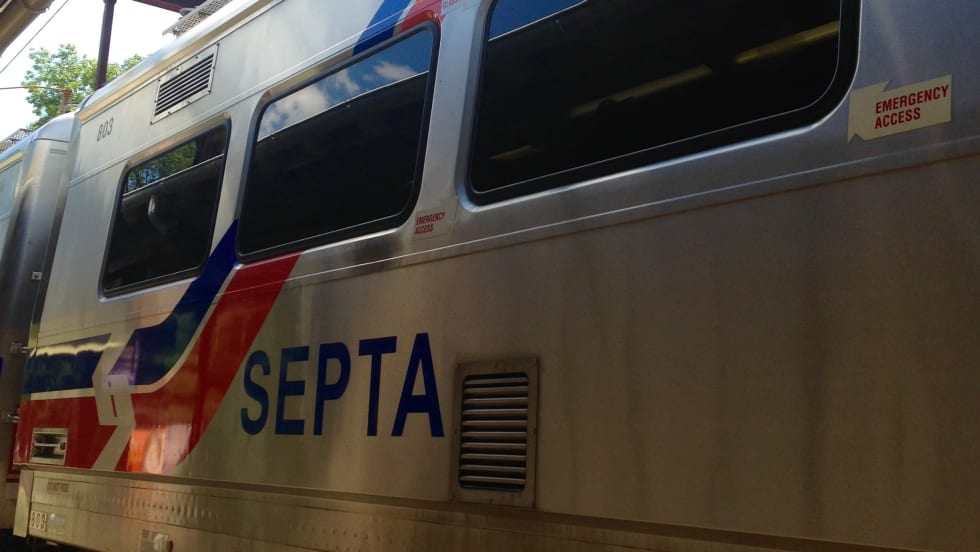
Like Amtrak, SEPTA is installing Advanced Civil Speed Enforcement System technology, which serves as an overlay to Automated Train Control, a combination that meets FRA guidelines for a PTC system.
Read More →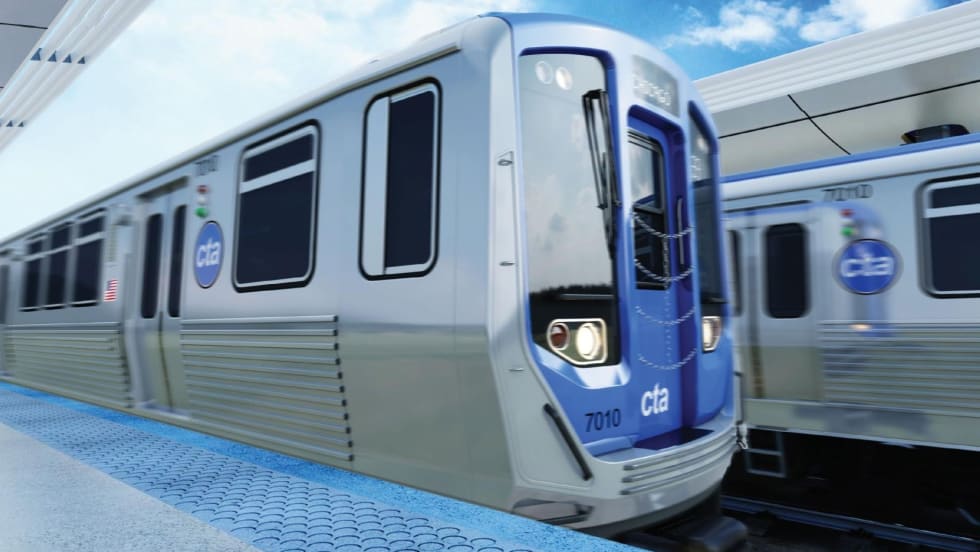
The new vehicles will help meet growing ridership demand and improve security with up-to-date technology. Modernizing CTA’s rail fleet also will improve the reliability of transit service and give passengers a smoother, more comfortable ride.
Read More →
When it comes to communicating that people have transportation options besides their own drive-alone cars, the transit industry is getting its lunch handed to it, and has been for decades. It must face that it’s a fringe player that wants to become mainstream. And it’s not getting any easier. While we hear so many great stories about options presented by bikeshare systems and technology and Uber, the fact remains that people are buying cars more than ever.
Read More →
Municipalities with higher technology initiatives tend to be more responsive to people with autism, but that overall, transit training in four different Canadian provinces tends towards the elderly and physically disabled, according to the report.
Read More →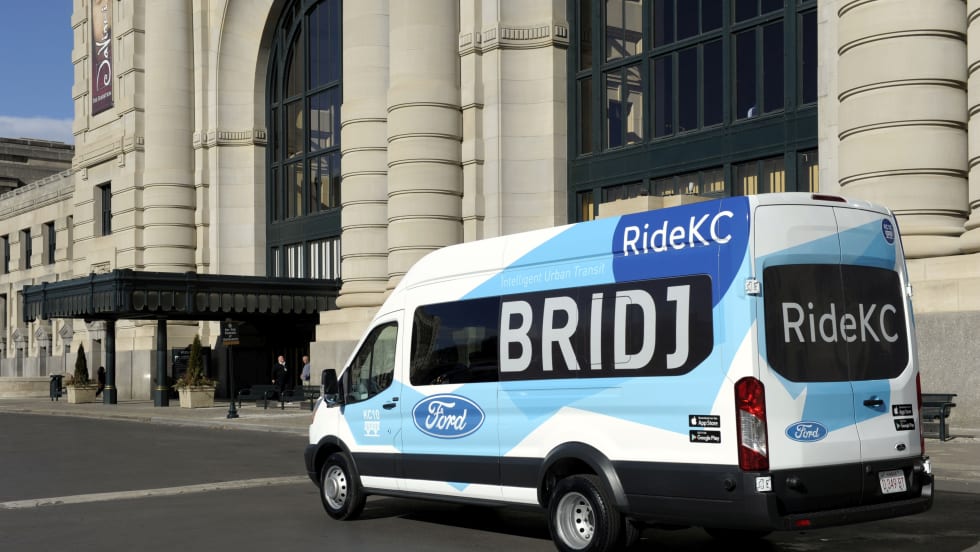
The transformative program is the first U.S. public-private partnership that brings together a major U.S. transit agency, an automaker and an urban technology company with the aim of enhancing Kansas City’s existing mass transit system by providing greater access and mobility to residents.
Read More →
The budget reflects an ambitious 30-year vision for the U.S. DOT to take the U.S. “Beyond Traffic,” toward a transportation network that matches the changing geography of where people live and work and fosters innovation and adapts to evolving technology.
Read More →