
Metro Magazine

 MENU
MENU SEARCHMENUSEARCH
Loading data...

The company converted all of its shuttle buses to biodiesel at airport locations within five miles of a biodiesel fueling station. Overall, more than 70% of its buses now run on biodiesel, with approximately 50% using 5% biodiesel (B5) and more than 20% using B20.
Read More →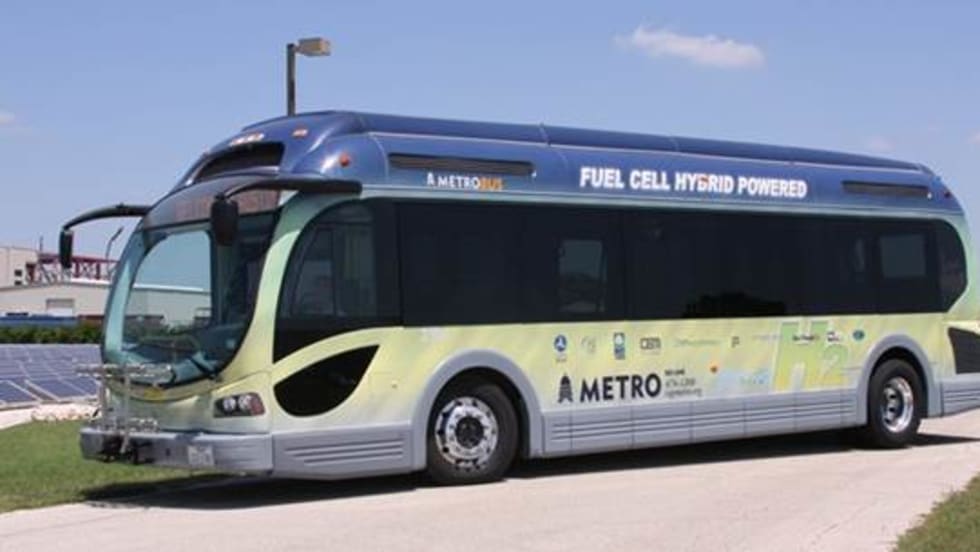


The bus will be fueled daily at a state-of-the-art hydrogen fueling station, the first of its kind in Texas. The facility allows for the on site generation, compression, storage and dispensing of hydrogen.
Read More →The bus is equipped with an electric drive and is modified to carry advanced lithium ion batteries from MHI that are charged from the city’s electrical grid instead of by a conventional diesel engine.
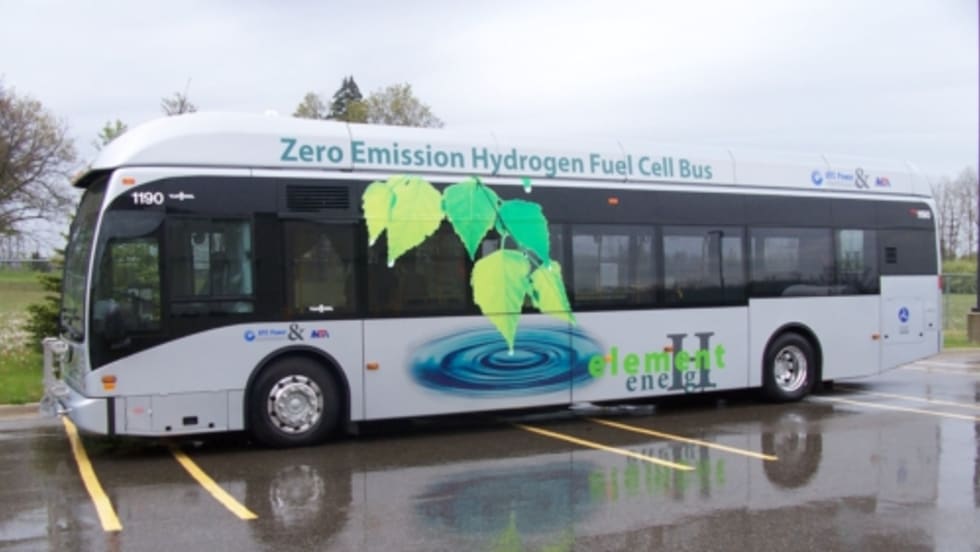
Read More →MTA's new fuel cell bus is hybrid-electric, zero emission and powered by a 120 kW UTC Power PureMotion fuel cell system.
Read More →The final day featured info-packed sessions on coordinating paratransit service, sustainability, technology, a lively show floor and interactive safety sessions.
Read More →In preparation for placing the bus on the road, a team comprised of MTA employees and Kettering University professor, Dr. Mohamed El-Sayed, have familiarized themselves with bus operator training, preventive maintenance, storage, installation of bus related software and monthly reporting requirements.
Read More →Will purchase 53 new 40-foot low-floor compressed natural gas buses for $22.3 million and seven more low-floor trolleys for $26.9 million, in addition to 57 low-floor cars already on order.
Read More →States, tribes, local governments, and non-profits are eligible to apply for these grants. Projects can reduce air pollution from older school buses, transit buses, heavy-duty diesel trucks, marine engines, locomotives and other diesel engines. The closing date for receipt of proposals is June 4, 2012.
Read More →Initiatives include using solar bus shelters, operating environmentally-friendly bus and rail vehicles, recycling bus wash water, and incorporating rain gardens at bus rapid transit stations.
Read More →Second annual Bus Maintenance Survey finds that many agencies around the nation are experiencing difficulties with alternative propulsion, as they continue to add new equipment in the shop to service as well as learn new ways to make repairs to the vehicles. Meanwhile parts issues, including concerns about availability, lead times and frequent failures, remains the biggest issue.
Read More →