
Metro Magazine

 MENU
MENU SEARCHMENUSEARCH
Loading data...

Key initiatives highlighted include bringing the region’s system to a state of good repair; expanding real-time bus and train arrival information; modernizing fare payment systems; expanding technical assistance and funding efforts related to TOD; studying and piloting more efficient locomotives, trains and buses; and installing additional pollution control technologies on buses and trains.
Read More →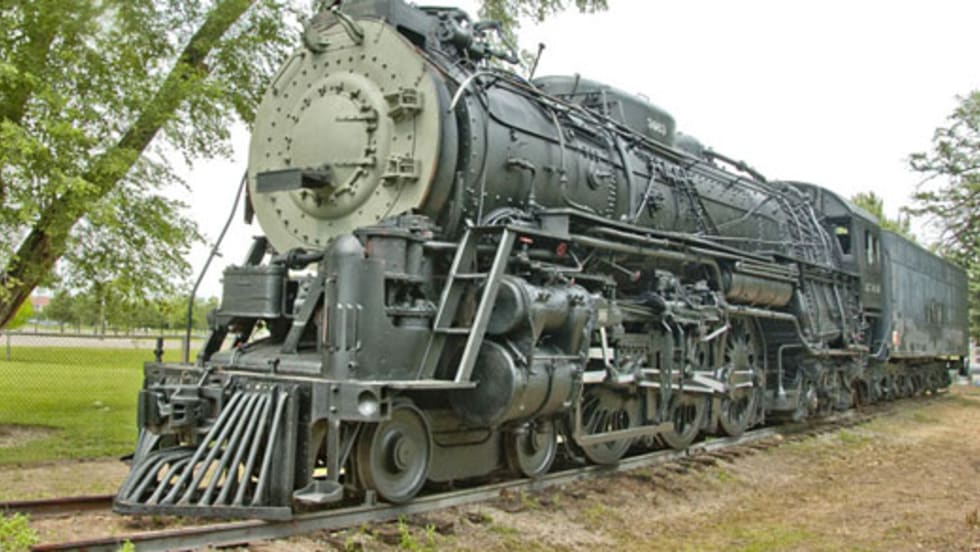
The bus is equipped with an electric drive and is modified to carry advanced lithium ion batteries from MHI that are charged from the city’s electrical grid instead of by a conventional diesel engine.
Read More →The locomotive will run on torrefied biomass (biocoal), a biofuel created through an energy-efficient processing of cellulosic biomass. Biocoal exhibits the same energy density and material handling properties as coal, but unlike coal, it is carbon neutral, contains no heavy metals, and produces less ash, smoke and volatile off-gases.
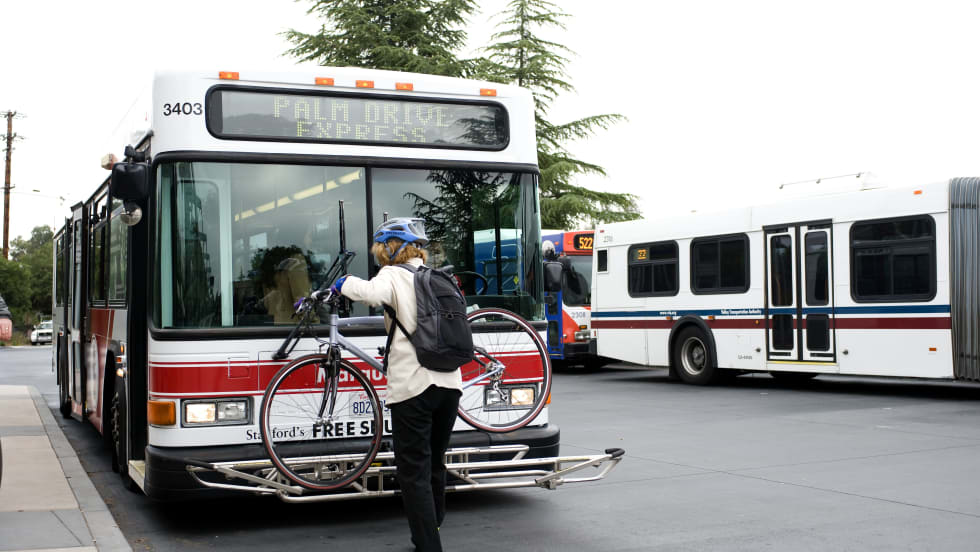
Read More →Transit operators from California, Texas, Illinois and Colorado are making it easy for students and faculty to commute to and get around campus by bicycle, offering a wide variety of service, ranging from bike repair stations to folding bicycle promotions.
Read More →The new 40-foot buses have an advanced thermal cooling system technology which provides benefits, including fuel economy improvement up to 10%; up to 10% reduction in greenhouse gas emissions; reduction in maintenance costs and increased safety through the elimination of hydraulic fluid leaks.
Read More →States, tribes, local governments, and non-profits are eligible to apply for these grants. Projects can reduce air pollution from older school buses, transit buses, heavy-duty diesel trucks, marine engines, locomotives and other diesel engines. The closing date for receipt of proposals is June 4, 2012.
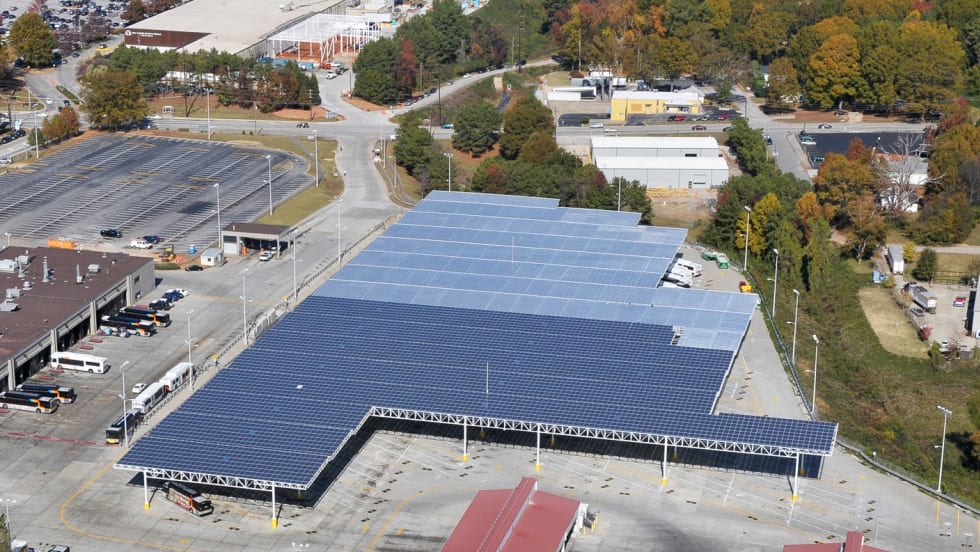
Read More →Initiatives include using solar bus shelters, operating environmentally-friendly bus and rail vehicles, recycling bus wash water, and incorporating rain gardens at bus rapid transit stations.
Read More →Provides a calculator that tells visitors how much carbon dioxide they would save by riding transit. Also showcases investments such as state-of-the-art clean-fuel technologies and highlights progress providing access to affordable housing near transit and improving transportation in national parks.
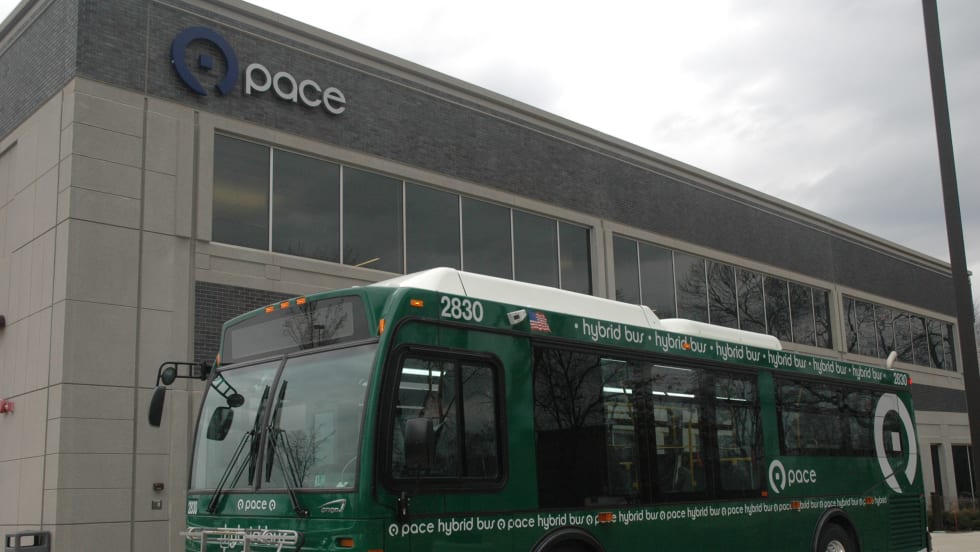
Read More →The 30-foot Orion buses seat up to 29 passengers and can accommodate up to two mobility devices, featuring a unique green paint scheme with white accents.
Read More →Newest on-site energy station, which was engineered by Linde North America, Jacobs and EPC and built by W.L. Butler Construction, demonstrates the use of “renewable” hydrogen — hydrogen produced using Proton OnSite’s solar-powered electrolyzer.
Read More →