



SORTA unveils five mini-hybrid buses
The new 40-foot buses have an advanced thermal cooling system technology which provides benefits, including fuel economy improvement up to 10%; up to 10% reduction in greenhouse gas emissions; reduction in maintenance costs and increased safety through the elimination of hydraulic fluid leaks.

The Southwest Ohio Regional Transit Authority’s first five new mini-hybrid buses will go into service this week.
Despite its name, the new mini-hybrids are not small or traditional hybrid buses. The 40-foot buses have an advanced thermal cooling system technology which provides benefits, including:
• Fuel economy improvement up to 10%
• Up to 10% reduction in greenhouse gas emissions
• Reduction in maintenance costs
• Increased safety through the elimination of hydraulic fluid leaks
The term “mini-hybrid” is used by the manufacturer, Engineered Machined Products (EMP), to refer to the advanced “electric” fan cooling system that replaces the hydraulically-driven fan. EMP’s technology provides benefits similar to that of a traditional hybrid, but with additional advantages, including:
• A cost savings of about $240,000 per bus compared to a traditional hybrid
• Efficiencies, which save Metro about $2,000 a year per bus in fuel savings and improved operational performance.
Thanks to federal Congestion Mitigation/Air Quality (CMAQ) funds received last year, the new mini-hybrids will help Metro replace older buses that are past their 12-year useful life. Metro is one of the first few transit agencies to have this technology approved by Clean Fuels Grants, which traditionally has only approved hybrid or alternative fuel vehicles. Metro has ordered 40 more mini-hybrid buses, which will go into service in the in the next several months.
More Bus
Brian Dickson on Building Stronger, More Resilient Transportation Organizations
Bus Business Consultants Founder Brian Dickson discusses the leadership principles, operational discipline, and strategic planning that separate transportation companies positioned for long-term success from those stuck in survival mode.
Read More →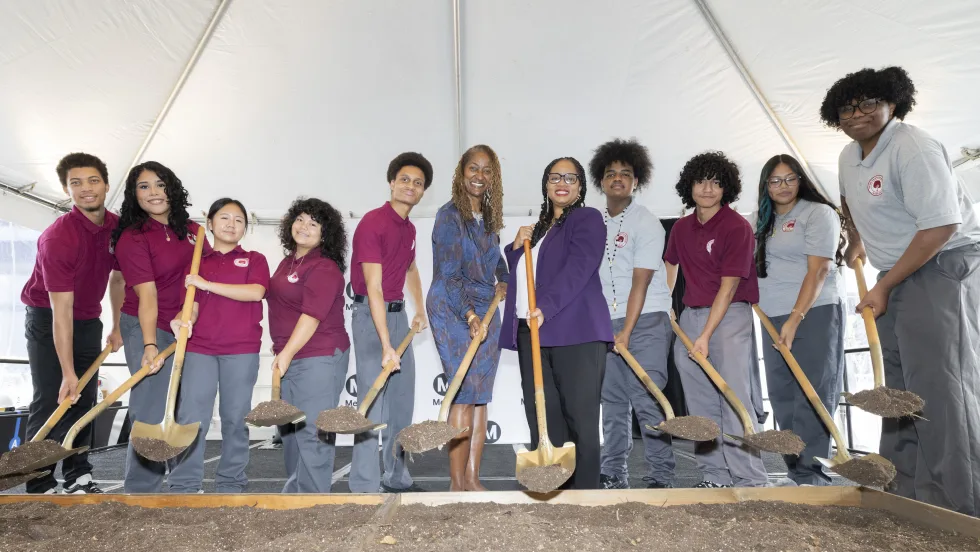
LA Metro Breaks Ground on Vermont BRT Project
The 12.4-mile corridor is projected to serve 66,200 daily riders, reduce travel times by up to 24%, and create the nation's busiest bus rapid transit corridor.
Read More →
Roman Cornell on ABC Companies’ Evolution and the Future of Passenger Transportation
The company’s CEO discusses carrying forward a third-generation family legacy, ABC’s continued evolution in passenger transportation, support for increasingly complex fleets, and how technology and continued investment could help operators improve uptime.
Read More →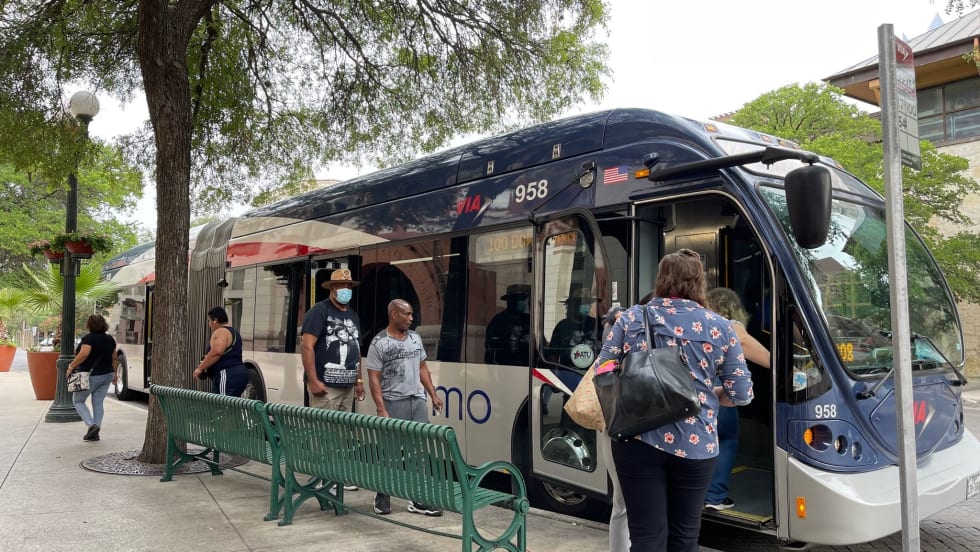
VIA Bus Ridership Grows 10.1% Through August 2026
San Antonio's VIA Metropolitan Transit reported the highest bus ridership growth among major Texas transit systems. Federal Transit Administration data ranked it second among the nation's 50 largest transit systems.
Read More →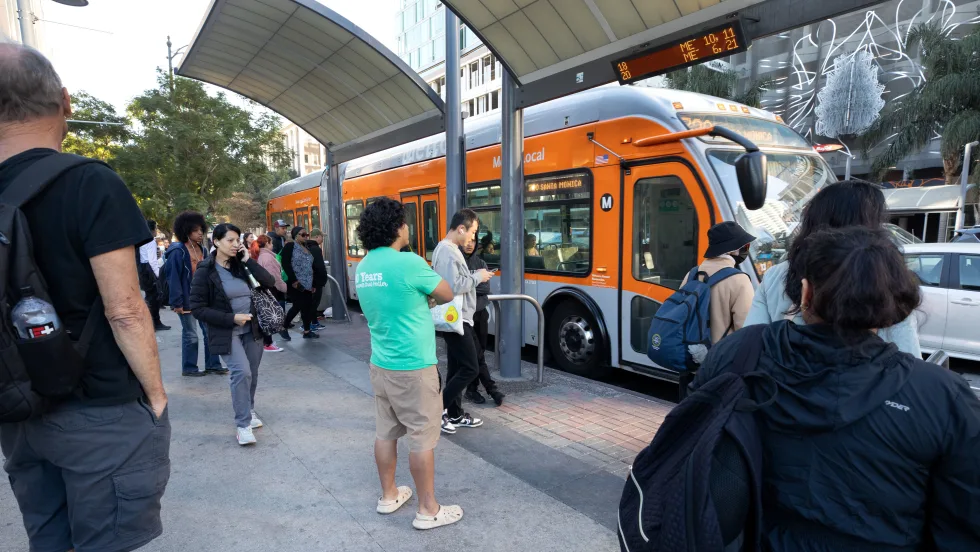
LA Metro September Ridership Climbs 3.9%, Led by Rail Growth
The agency recorded more than 27.2 million boardings, with rail ridership increasing 12.4% year over year and the D Line posting the largest gains.
Read More →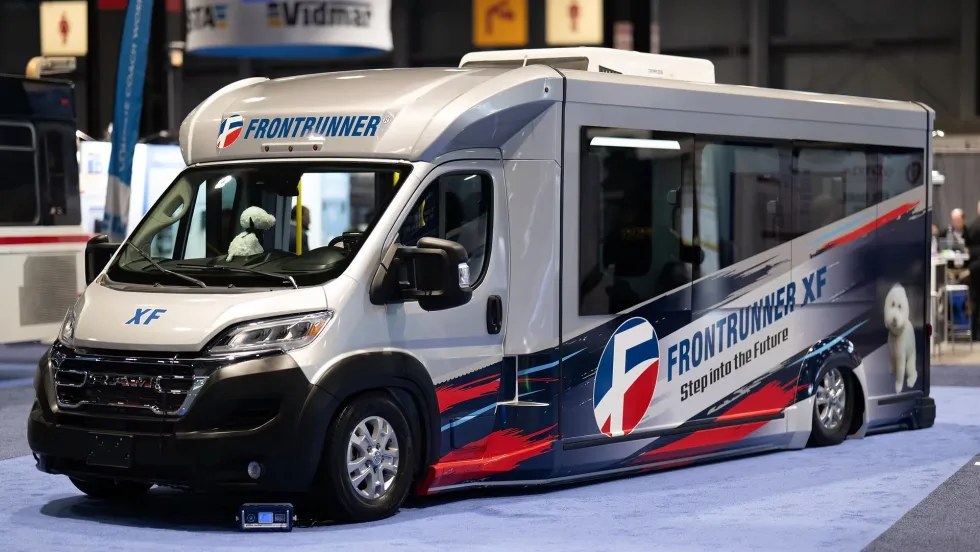
Frontrunner Bus Group Introduces XF Low-Floor Bus with Enhanced Accessibility
The new mid-sized bus features a full flat-floor design, eight-inch curbside step-in height, and zero-entry rear ramp to improve passenger access and operational flexibility.
Read More →
Scenes from APTA TRANSform & EXPO 2026
Transit leaders, manufacturers, and industry professionals gathered in Chicago to explore new technologies, share ideas, and discuss the future of public transportation.
Read More →
More Than a Summer Job: Building the Next Generation of Transit Talent
The Delaware River Port Authority and PATCO have transformed their internship program into a hands-on professional development experience that introduces students to the breadth of transportation careers — and creates a pipeline for future employees.
Read More →
LA Metro Board Awards 220 Battery-Electric Bus Contract to ENC
The contract, which is the largest base award of battery-electric buses by a U.S. transit agency, will be built in Southern California, sustaining good jobs as LA prepares to welcome the world in 2028
Read More →
Public Transit Conference Returning to GFX in 2027, Call for Papers Now Open
The Call for Papers is now open, allowing transit agency professionals and industry experts to help shape the PTC educational program by submitting session ideas for consideration.
Read More →