
Metro Magazine

 MENU
 SEARCHMENUSEARCH
Loading data...

Transit police forces are employing technology, high-visibility patrols and communication tools to harden their systems.
Read More →

Bill allocates $3.5 billion for transit security over three years
Read More →The key to maximizing a university transportation operation’s safety and properly respond to an emergency is partnering with local police and fire authorities and maintaining an open line of communication.
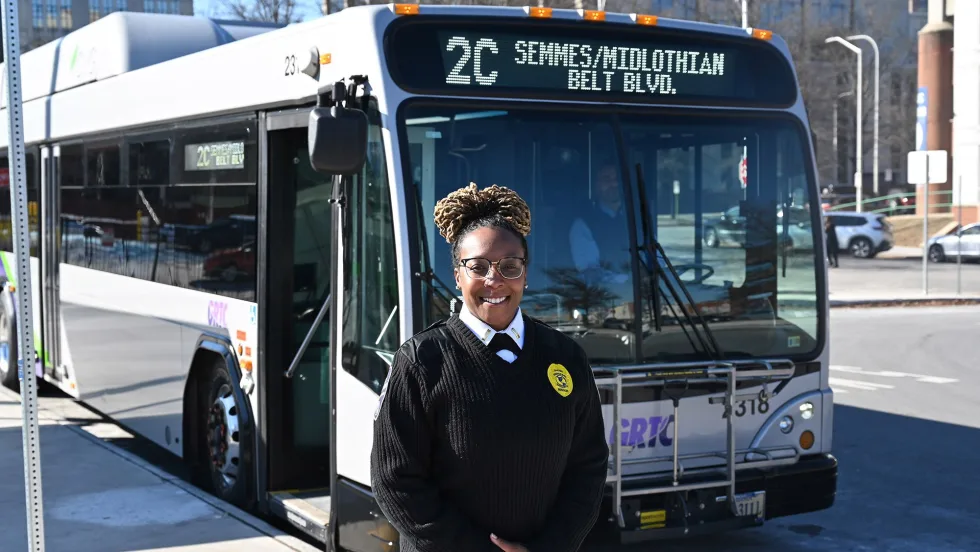
Read More →The Public Safety Officer and Public Safety Ambassador programs aim to create a safer, more welcoming environment for riders and staff while minimizing service disruptions.
Read More →Beefed-up video surveillance, campus police training and implementing emergency alert systems are responses.
Read More →Combined with recent attacks abroad, the events of 9/11 have forced many transit agencies to adjust the ways they protect their system. CCTV systems, bomb-sniffing dogs and agency-wide training programs are part of their solutions.
Read More →Yesterday, U.S. Sen. Chuck Schumer proposed "no-ride" lists for U.S. domestic trains, similar to the no-fly lists used in aviation, following intelligence discovered at Osama bin Laden's hideout in Pakistan.
Read More →CCTV headcams used to ensure passengers are paying correct fare.
Read More →After a sharp increase in smartphone snatches last April and May, transit police increased patrols, conducted undercover missions, scoured agency security cameras and video and dedicated two officers to investigate the robberies.
Read More →The arguments for transit as national security policy have long ranged from energy independence that come with transit investments to transit’s role in arresting climate change.
Read More →