
Metro Magazine

 MENU
MENU SEARCHMENUSEARCH
Loading data...
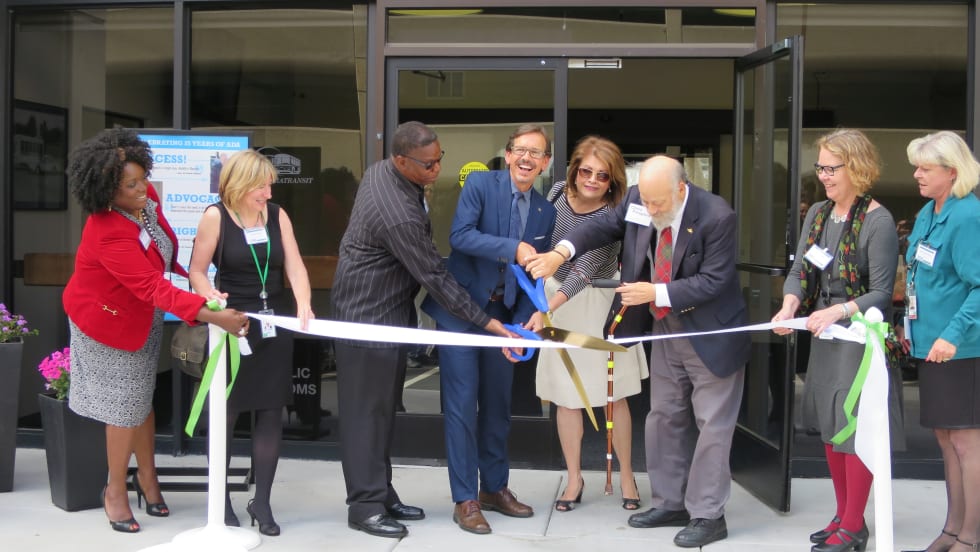
Since the ADA’s signing in 1990, AC Transit and BART have worked to ensure disabled residents are able to enjoy the many benefits of public transportation. The two agencies joined together in 1994 to form the East Bay Paratransit Consortium.
Read More →
The state-of-good-repair project includes ticket vending machines, add fare machines, fare gates and parking validator devices to extend the equipment life while providing new payment functionality that can be used in the future.
Read More →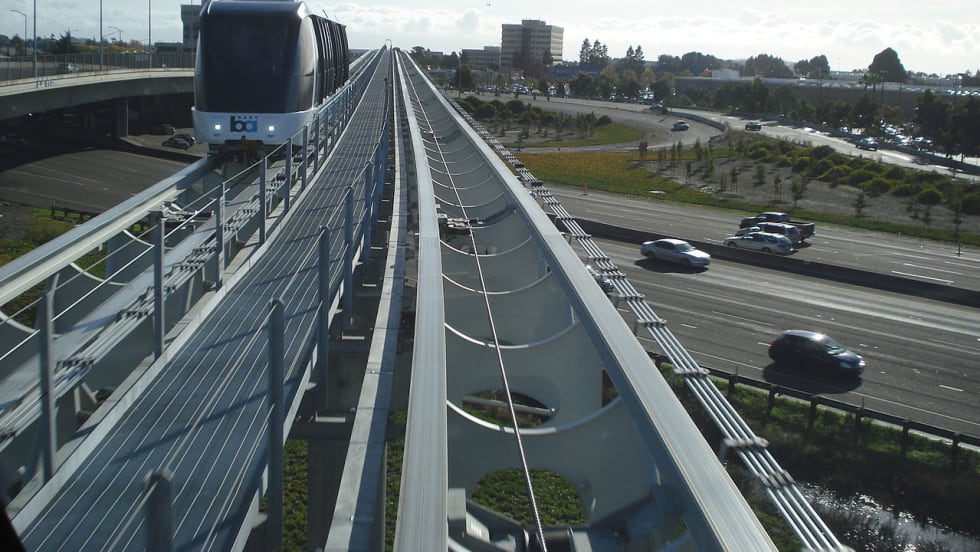
The agencies thought they had won a federal court victory late last year, when a judge ruled that the state law did not violate a federal prohibition against interfering with public employees' collective bargaining rights, but the Labor Department is still enforcing the rule.
Read More →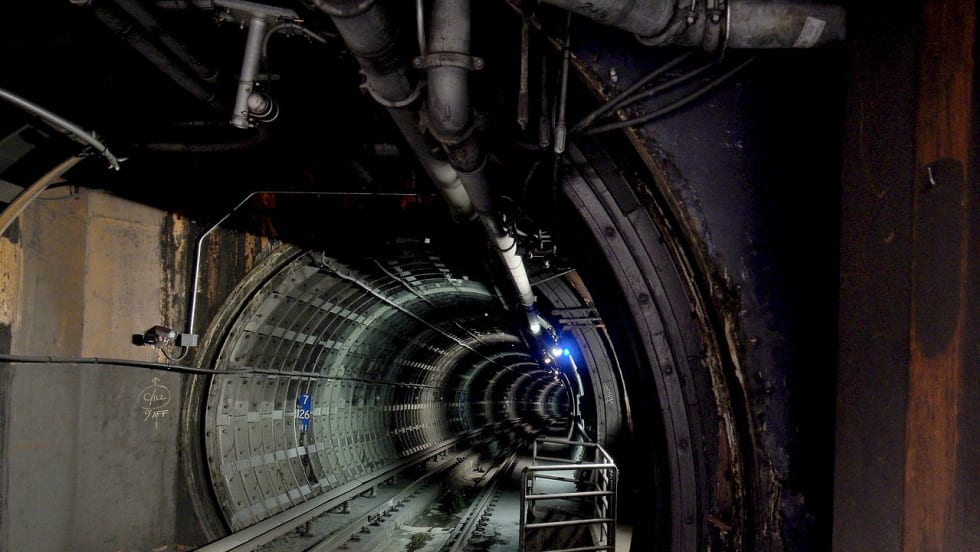
In a recent poll, 59% said they would support a second Transbay Tube to help ease BART’s overcrowding, even though the price would be high. The poll did not offer cost estimates or ask if those surveyed would be willing to tax themselves for the improvement.
Read More →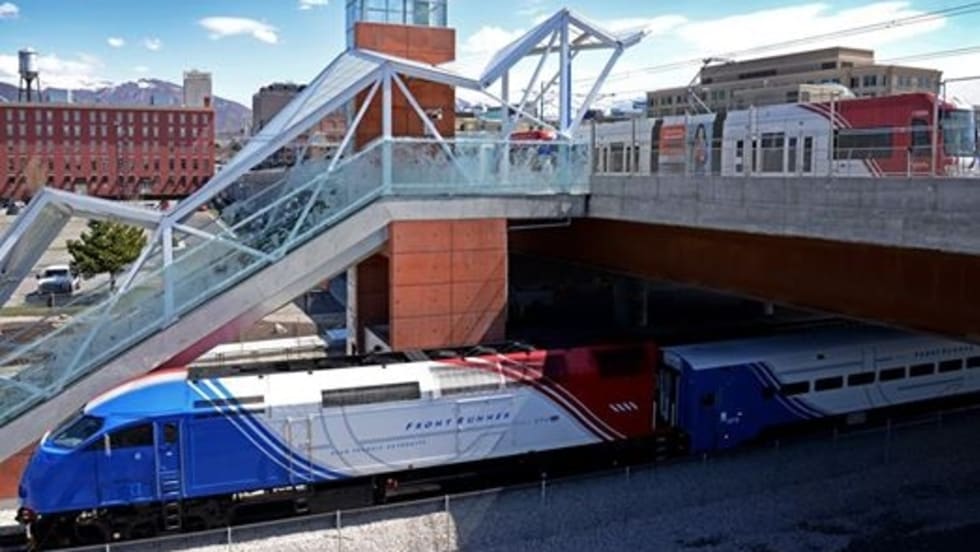
The APTA International Rail Rodeo Competition is designed to encourage excellence and professionalism in rail transit operations. The competition was held June 17 to 21 at the UTA's Jordan River Rail Service Center.
Read More →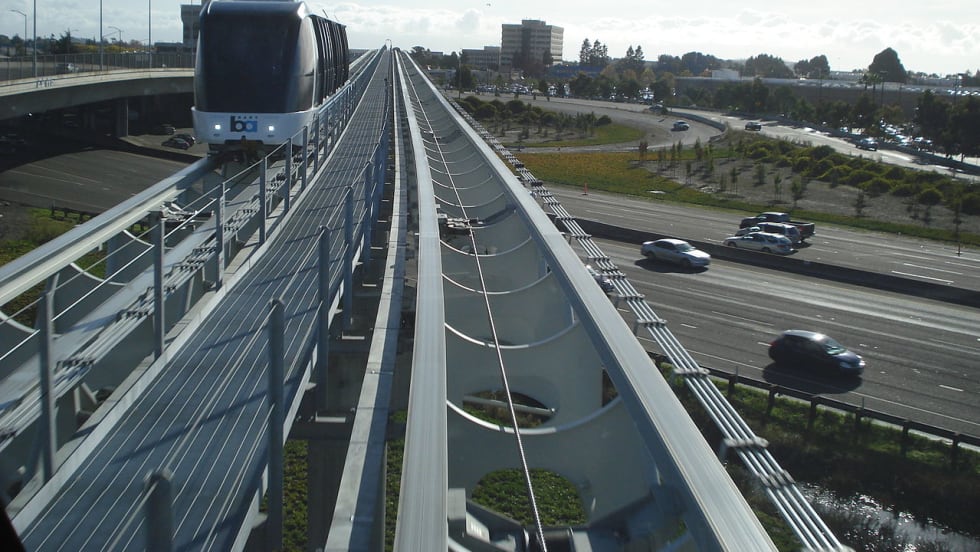
Key findings of the report found that nearly two-thirds of BART's railcar fleet will be at least 25 years old by fiscal year 2016-17, with the majority being 40 years old, and the agency faces cash-flow challenges for projects, with its total capital needs projected to cost more than $9.6 billion between fiscal years 2014-15 and 2023-24.
Read More →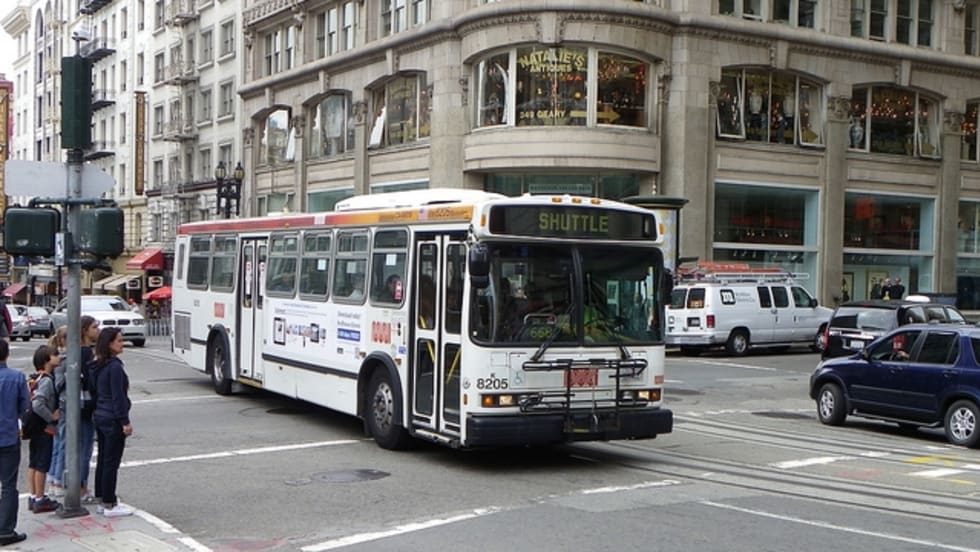
One complication that arose in the process is BART’s unwillingness to pay for a $1.5 million reprogramming of Clipper cards to recognize the student discount.
Read More →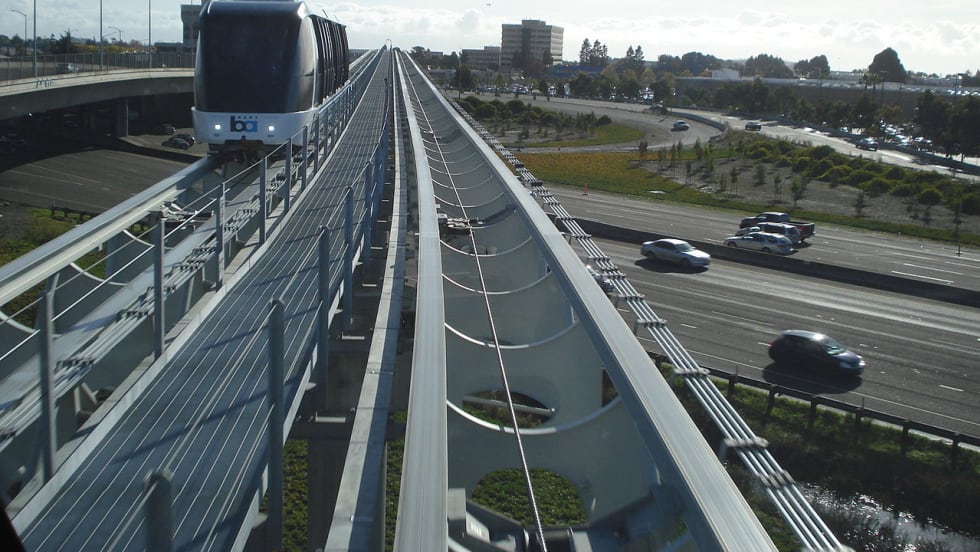
Agency teams with the Bay Area Suicide and Crisis Intervention Alliance to address the recent increase in suicides and suicide attempts on the agency’s property. The centerpiece of the campaign launch is station signage directing troubled patrons to call the toll-free National Suicide Lifeline, with the phrase “Suicide is not the route” included over the number.
Read More →
“Seamless Transit,” a report from the regional urban think tank SPUR, found the Bay Area’s tangle of public transportation operators is proving to be an obstacle to getting more people to take or try transit.
Read More →
Currently, BART must shut down overnight for necessary maintenance work. The working group in its report recommended further study of the challenges to overnight BART service, but recognized that ultimately a second Transbay Tube may be necessary to ever have truly overnight transbay rail service.
Read More →