
Metro Magazine

 MENU
MENU SEARCHMENUSEARCH
Loading data...

The increases come during an era of successful and unprecedented MTA management actions to cut controllable expenses. In fact, the MTA will spend less in 2012 on its controllable costs than it did in 2011. Year-over-year controllable costs are lower by 0.3%.
Read More →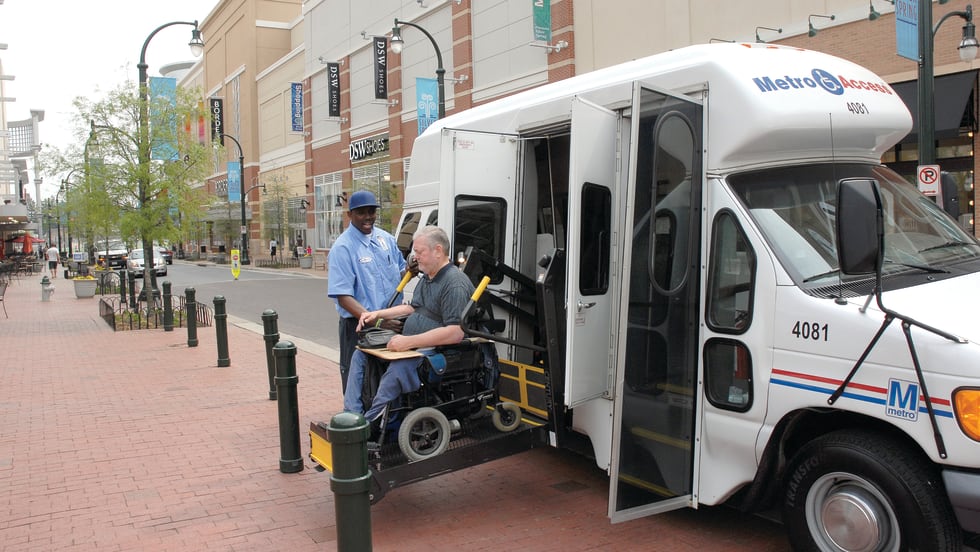
The trips come after Community Transit drastically cut service over the past two years in response to declining sales-tax revenue. Much of that service was on local routes.
Read More →Calls for fares and service levels to remain steady for 2013 and for Pace to add new service in some areas during the year.
Read More →Dianne Falk received praise from a paratransit driver after she and her husband Stuart appear in campaign posters for a tax to pay for transit. The Falks got involved in the campaign after the service to their nursing home was eliminated due to budget cuts.
Read More →Agency would pay bills before checking to see if it could cover the expenses, sources say.
Read More →The programmatic change at Metro helped the agency save more than $25 million in Fiscal Year 2011, as well as receive the 2012 Innovation Award from APTA.
Read More →Smaller than the FY 2012 budget of $1.15 billion, the new budget supports the December 2012 opening of two light rail projects: the second phase of the Orange Line to Irving and the Blue Line extension from Garland to Rowlett.
Read More →Agency, which will likely exhaust reserves by fiscal 2018, should launch more aggressive advertising, charge parking fees and look to outsource up to a dozen functions to bring new revenues.
Read More →Adopted was a $193.9 million operating budget, a $64.3 million capital budget and $16.2 million to fund interlocal agreements and other expenses.
Read More →Tulsa city councilors asked Tulsa Transit officials to prepare a plan for review that would shrink the bus system’s coverage area to provide more timely service. The system has an average wait time of 55 minutes between buses.
Read More →