
Metro Magazine

 MENU
 SEARCHMENUSEARCH
Loading data...

The Karsan STAR offers luxury seating for 31 and over 28 cu.ft. of luggage storage, making it an ideal employee shuttle or commuter coach.
Read More →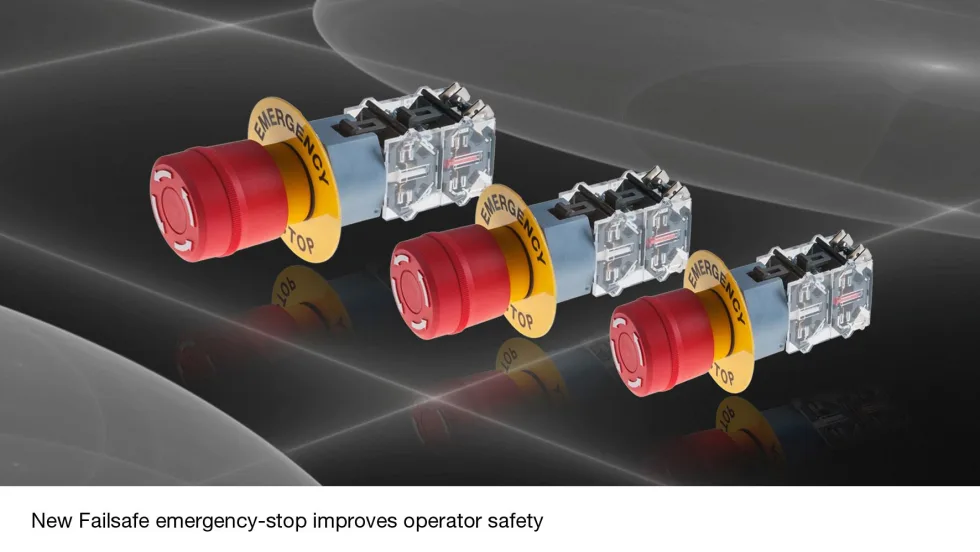




The new Series 04 Fail-Safe Emergency-Stop Switching Element’s “fail-safe” element will detect if the stop switch actuator becomes disconnected from the emergency stop actuator.
Read More →ELERTS See-Something Say Something mobile app enables riders to submit reports containing photos, video, and a description the issue, as well as a GPS map, pinpointing the problem area.
Read More →The Companion app provides users route information to specified contacts and notifies them if something goes awry.
Read More →The Unisyn platform is a new video telematics model that gives high quality video access and video expandability to fleets and field operations of all sizes and profiles.
Read More →The new feature, available with GURU 1.6, makes it easy for transit agencies to package and track integrated surveillance video and data evidence as it is passed from one person to the next following an incident.
Read More →There have been great gains in best practices in the areas of eligibility, telephone hold time, on-time performance, no-show policies, and origin-to-destination service, but they are often not implemented, according to the newly released National Council on Disability report.
Read More →As lawmakers try to fund transportation beyond May 31, GROW AMERICA provides members of the House and Senate with the option of increasing investment in surface transportation by 45%, and supporting millions of jobs repairing and modernizing roads, bridges, railroads and transit systems in urban, suburban and rural communities.
Read More →The PaYS program is designed to help soldiers prepare for a career after the Army by connecting them with employers who understand the skill, discipline and work ethic that military service members can bring to an agency.
Read More →The SmartDrive Collision Snapshot for transit illuminates key observations that distinguish collision operators (those involved in at least one collision during the 12-month analysis period) from non-collision operators.
Read More →