
Metro Magazine

 MENU
MENU SEARCHMENUSEARCH
Loading data...
These grants support local strategies to increase transit access and encourage ridership.
Read More →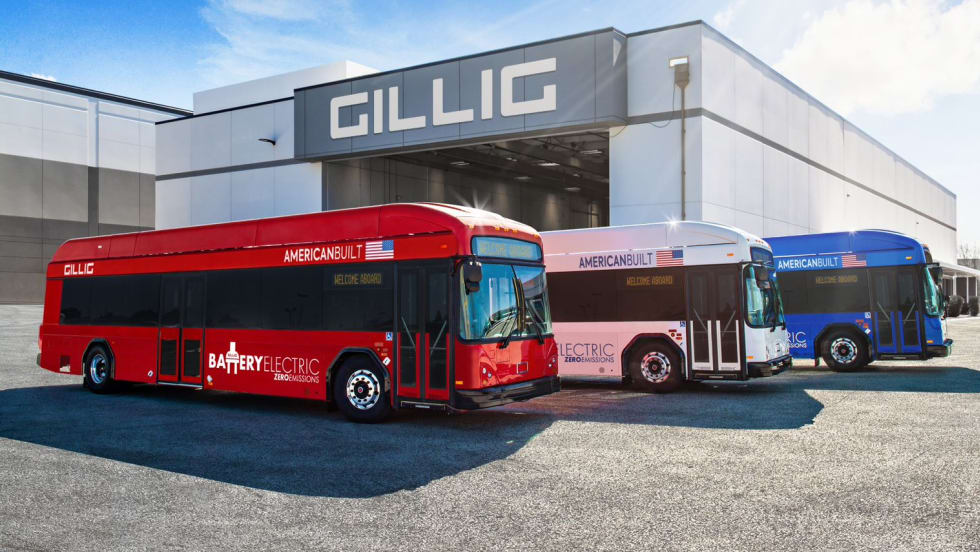
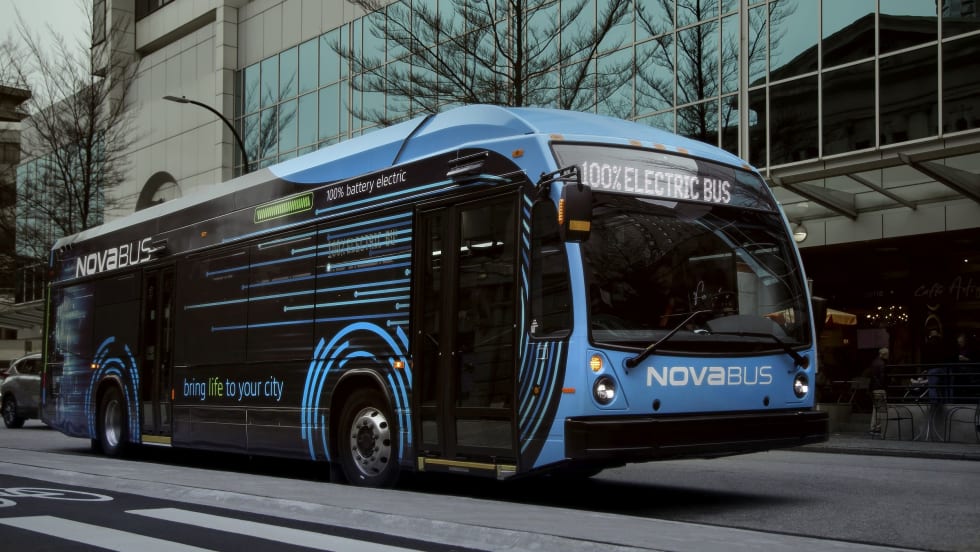

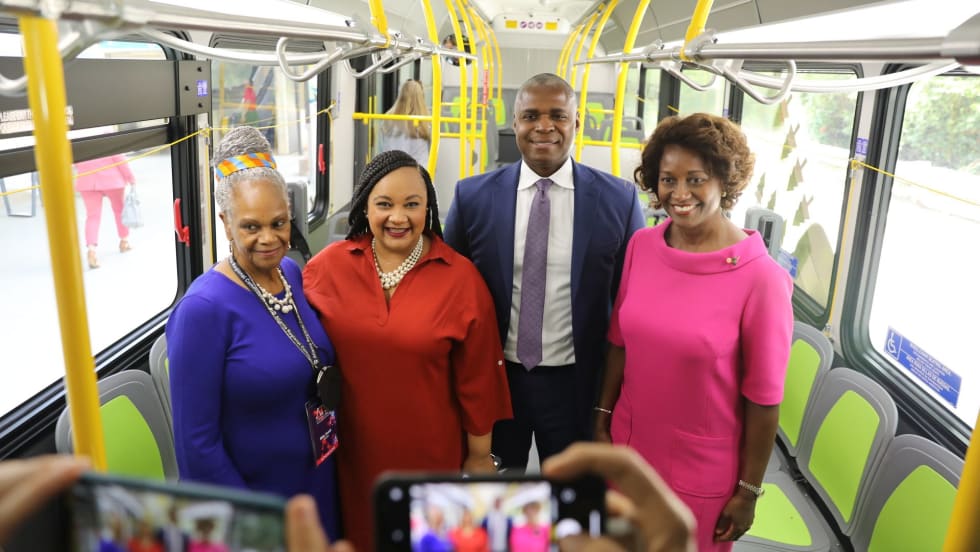
The awards were made possible through the FTA's annual Buses and Bus Facilities and Low- and No-Emission Vehicle programs.
Read More →SSOAs must submit documentation to FTA to demonstrate their inspection programs address the requirements.
Read More →The purchase is in line with the MTA's goal of transitioning its entire 5,800 bus fleet to zero-emission vehicles by 2040.
Read More →Eligible transit agencies and states can apply through the Notice of Funding Opportunity for the FY 2022 and FY 2023 Rail Vehicle Replacement Program for funds to replace vehicles on subway systems, commuter rail, and light rail systems.
Read More →The competitive grants under FTA's Tribal Transit Program come on top of more than $35 million in formula funding for Tribal Transit each year.
Read More →Examples of bus automation projects might include strategies for avoiding collisions with pedestrians and improved emergency braking.
Read More →SEPTA must comply with FTA’s Buy America requirements relating to how much of the components and subcomponents for rolling stock (railcars and buses) are produced in the U.S.
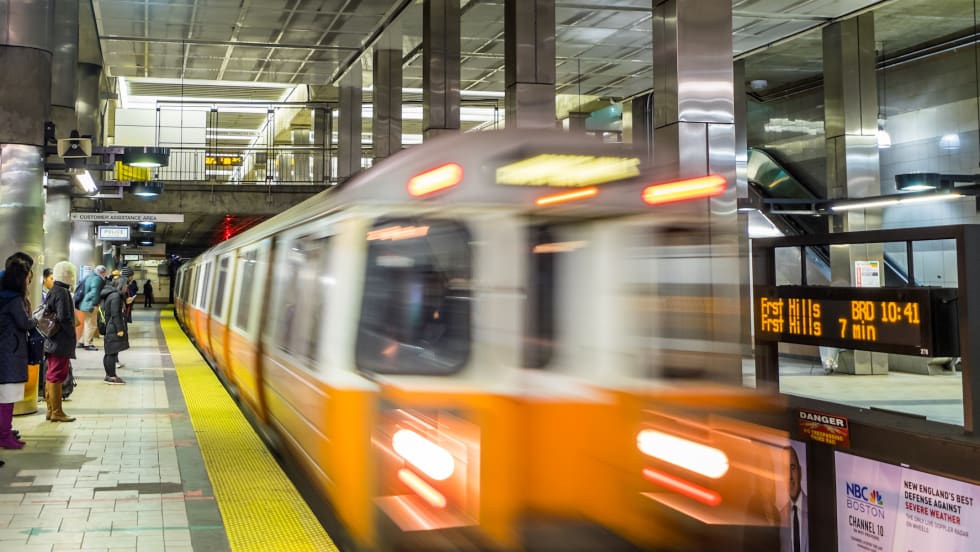
Read More →The new Special Directives announced require MBTA to address personnel, deficiencies and inadequate operating conditions, policies, procedures, and training that compromised a culture of safety at the agency.
Read More →The announcements are part of the Biden-Harris Administration’s Building a Better America Tour that Secretary Pete Buttigieg kicked off in Tampa, Fla.
Read More →