
Metro Magazine

 MENU
 SEARCHMENUSEARCH
Loading data...
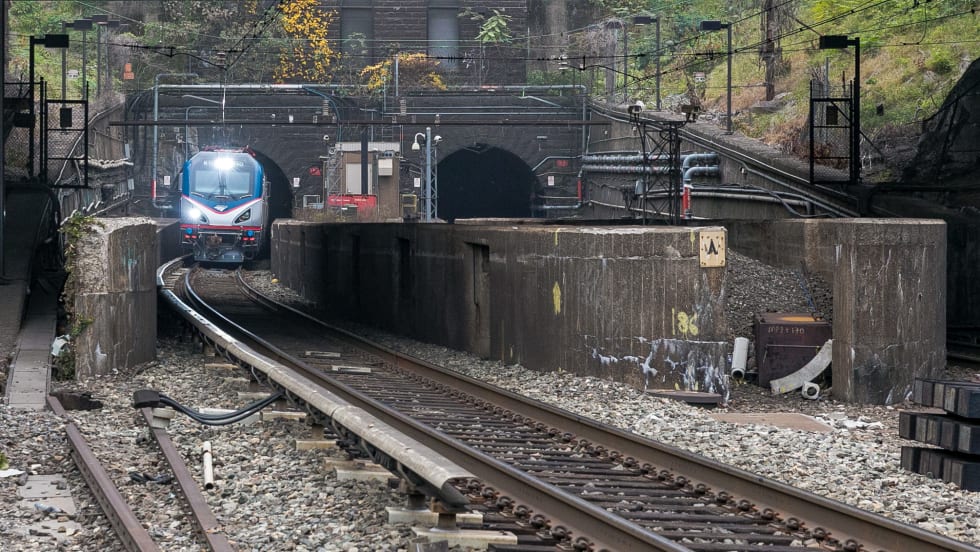
While the need for more transportation options continues to grow, taking advantage of streamlined project initiatives and alternative-funding models will be key. Also important is grooming future leaders as the aging workforce moves toward retirement.
Read More →



Discuss infrastructure needs, funding challenges, popularity of ride-hailing, microtransit, and bike-sharing.
Read More →Even with no authorization bill in sight, consultants are finding many positives, including increased ridership, a new federal philosophy and exciting projects in the pipeline. Many are looking for high-speed rail to have the same nation-changing impact as the interstate highway system or the beginning of the space program.
Read More →Many times, agencies feel they need to hire the least expensive consult team to help guard taxpayer money. My consultant contacts tell me this approach may violate state and federal laws.
Read More →Despite record ridership numbers, establishing stable funding sources remains a major challenge for most transit agencies. Five top consultants give their take on the state of the industry, including financing options, sustainability and workforce development issues.
Read More →METRO spoke with several consultants in the June issue, here is the last in a series of exclusive unedited discussions.
Read More →Founded by: Elwyn E. Seelye Year Founded: 1912 Employees: 1,700 Headquarters: New York City and Douglassville, Pa. Head Executives: Dominick M. Servedio, PE, Chairman/CEO; Milo Riverso, PhD, PE, President Website: www.stvinc.com
Read More →A look at how consultants help bring projects — from rails to stations to research books — onto the streets.
Read More →For a second straight year, METRO highlights some of the various ways in which consultants provide support and expertise to a wide range of transit-related projects.
Read More →With nothing but short-term extensions predicted for the immediate future, the consultant industry stresses the need to find a long-term funding mechanism, while also looking at states and localities to play more of a role in financing capital projects.
Read More →