
Metro Magazine

 MENU
MENU SEARCHMENUSEARCH
Loading data...
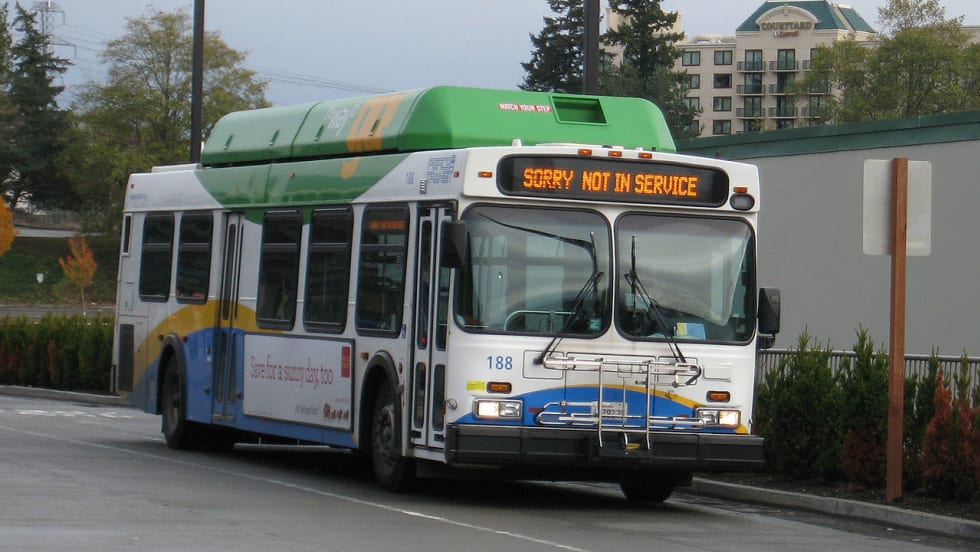
Hours were cut during the recession a few years ago. The agency's board also approved the purchase of seven new buses at a total price of $4.5 million to meet its service goals.
Read More →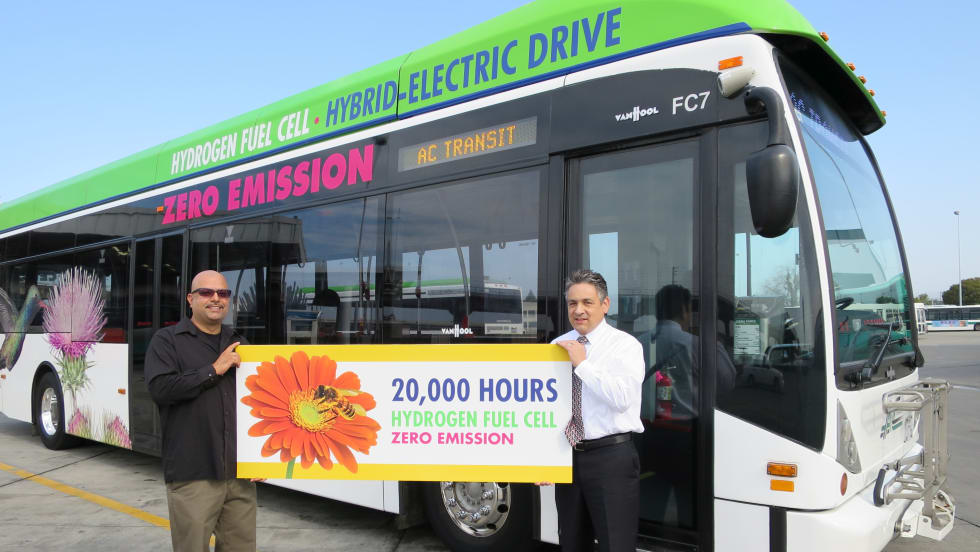


By itself, the fuel-cell bus has removed 1,134,000 pounds of CO2 from the atmosphere — equivalent to planting 13,189 trees or taking 108 passenger vehicles off the road for one year.
Read More →The review, which will be completed by early 2016, will examine motorcoach industry safety statistics and industry performance, including a comparison with other North American jurisdictions.
Read More →The Teletrac logging system includes safety analytics to measure and monitor driver safety behavior and electronic daily vehicle inspection reports and electronic driver logs to accurately document hours of service.
Read More →The union representative said the operator had worked 69 hours in the seven days before the crash, while a CTA spokesperson said that she worked 55 hours and was off for 18 hours before her shift during which the accident occurred.
Read More →Offers the TPC 7600, an in-cab mobile computing device; the TND 760, a one-box, one-cable mobile fleet management device; and the HD 100, a small black box about designed to pair with tablets, phones, and the company’s IntelliRoute TND 720 GPS device.
Read More →Will be held on Sept. 25 at 10:00 a.m. PST and is free of charge. It will cover the four major factors affecting alertness and how they are addressed by hours-of-service rules. Attendees will learn effective methods for proactively managing driver fatigue and ways to identify high-risk drivers.
Read More →Investigators found that Santana Busline failed to ensure that its drivers comply with hours-of-service requirements, allowed unqualified drivers to operate its vehicles in an unsafe manner, failed to conduct periodic vehicle safety inspections and more.
Read More →While accidents continue to occur because a driver was tired or fell asleep, many in the industry believe revamping federal hours of service regulations is not the answer. An operator’s best course of action is to properly train drivers and manage risks when scheduling trips. Even then, however, the onus remains on the driver to rest.
Read More →Mandates creation of system that allows passengers to compare the safety performance of each bus company and to annually reevaluate carriers that serve primarily urban areas with high passenger loads like New York.
Read More →