
Metro Magazine

 MENU
MENU SEARCHMENUSEARCH
Loading data...

The driver told investigators he heard what sounded like a rear tire's exploding and immediately pulled off to the side of the road. As soon as he stopped, he saw that the back of the bus was on fire. The bus was declared a total loss.
Read More →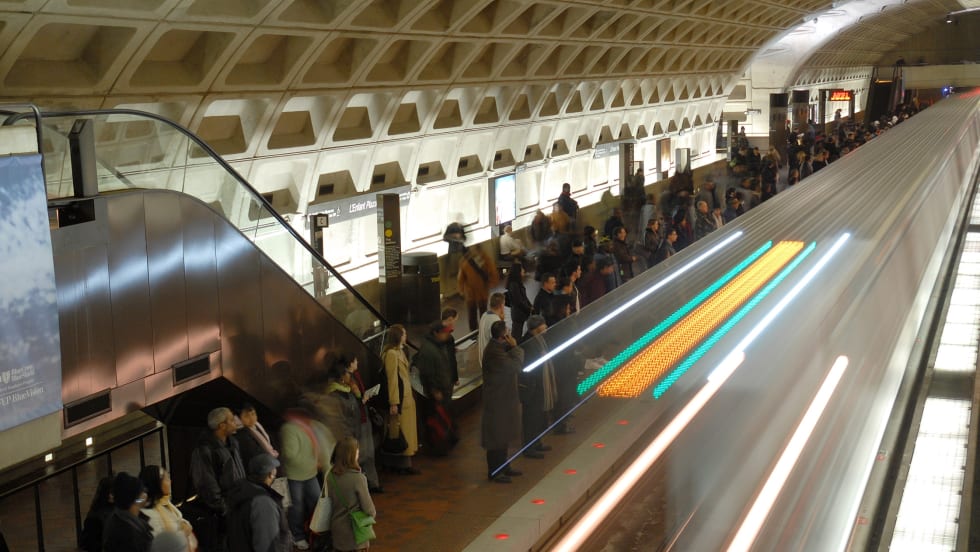
NTSB investigators accompanied WMATA personnel on site visits to the location of the Court House incident where additional electrical components were identified for further examination. Investigators requested that those components be sent to the NTSB.
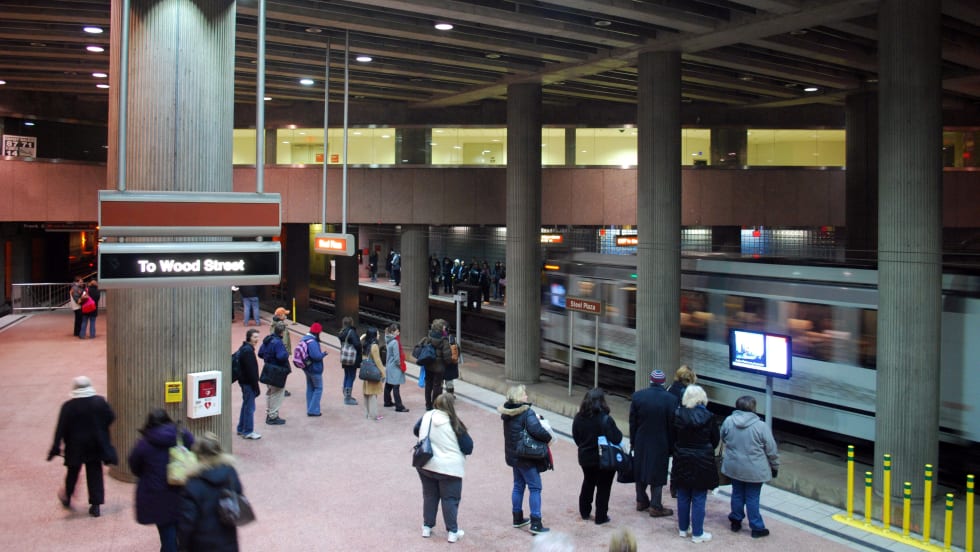
Read More →Pittsburgh's subway train power is supplied by overhead cables rather than an electrified “third rail” along the tracks, which led to a delayed response by firefighters in the Washington, D.C. incident.
Read More →The certification, which included both system and component level testing, focused on lifecycle operation, environmental tests, product performance and overall durability.
Read More →The objective has been to construct a model of an engine compartment where stakeholders can evaluate the firefighting performance of different suppression systems in a well-defined and objective way. The new standard SP method 4912, edition 3 has just been published.
Read More →The incident occurred at approximately 2:15 a.m. when a blaze in a building under construction near the West Oakland Station damaged electrical and communications systems on the elevated BART tracks and forced the transit agency to cancel Transbay service just hours before the start of the morning commute.
Read More →Investigators believe a mechanical issue with a bus parked inside a holding annex sparked the blaze.
Read More →The FireCaddy Fire Suppression System is designed for on-the-spot fire-fighting capabilities, allowing a driver or individual to extinguish a threatening fire before emergency help arrives.
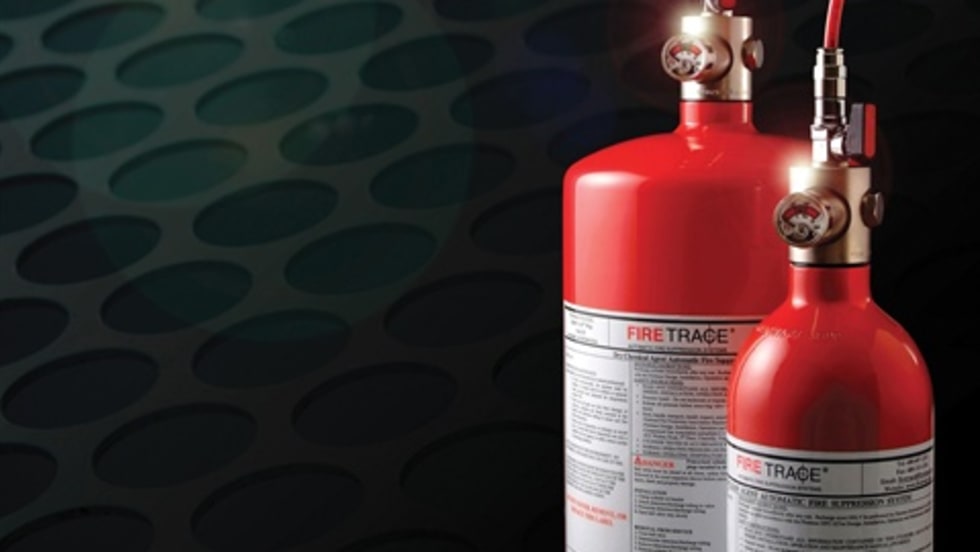
Read More →FIRETRACE systems provide stand-alone automatic fire detection and suppression for bus and coach engine compartments, generators, electrical systems and heaters.
Read More →The engineer reported heavy smoke aboard the train, and a full evacuation was immediately ordered. Within minutes of the safe evacuation of all passengers and the train crew, the lead car was fully engulfed in flames. A nearby Regional Rail train adjacent to the one on fire was also safely evacuated.
Read More →