



NTSB investigating another incident as part of D.C. Metro accident
NTSB investigators accompanied WMATA personnel on site visits to the location of the Court House incident where additional electrical components were identified for further examination. Investigators requested that those components be sent to the NTSB.

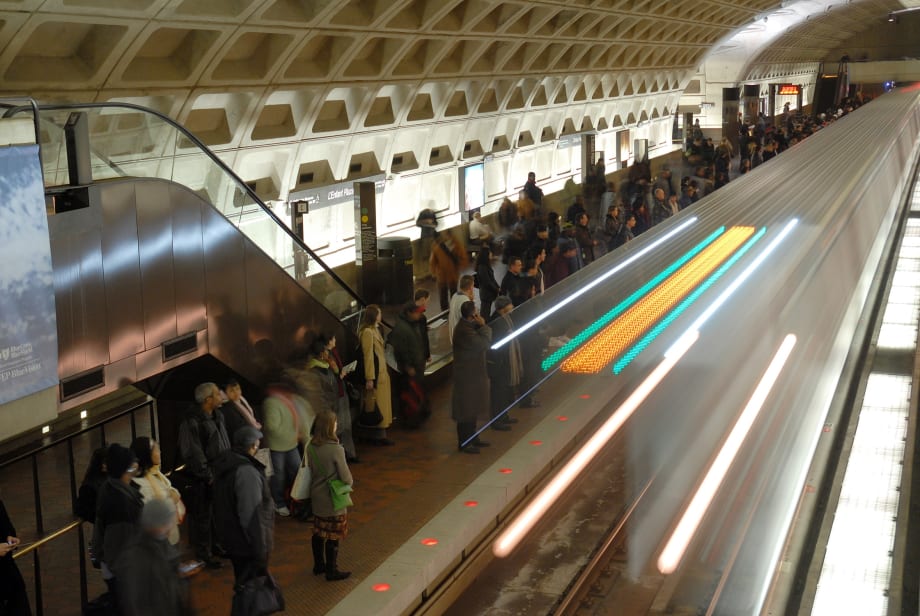
As its investigation of the smoke and electrical arcing accident in a tunnel near the Washington Metro Area Transit Authority (WMATA) L’Enfant Plaza Metro Station on January 12 continues, the National Transportation Safety Board (NTSB) is looking at another smoke and electrical arcing event that occurred in February.
On Feb. 11, 2015, at approximately 1:39 p.m. ET, the operator of a WMATA Orange Line train, traveling from Court House Station to Rosslyn Station, reported smoke in the tunnel as it approached Rosslyn. The train operator was instructed to reverse ends and move the train back to Court House Station, which did occur. All smoke was cleared by 2:50 p.m. and normal train service was resumed. There were no injuries as a result of the incident.
On the day of the incident, the NTSB responded to the location. Upon arrival at 4:10 p.m., investigators noted no remaining smoke and that normal service had resumed in the WMATA Court House Station.
On February 11, the NTSB requested that WMATA deliver the electrical components from the Court House incident to the NTSB materials laboratory for examination. These components were received on February 19.
NTSB investigators accompanied WMATA personnel on site visits to the location of the Court House incident where additional electrical components were identified for further examination. Investigators requested that those components be sent to the NTSB.
Upon delivery of the requested components, the NTSB will examine the evidence in an attempt to determine the failure mode and see if there are similarities with the January 12, L’Enfant Plaza Station accident.
Ongoing work by the NTSB on the L’Enfant Plaza accident investigation includes the following:
Constructing a detailed timeline of the emergency response efforts of the DC Fire and Emergency Medical Services Department, the DC Office of Unified Communications, and WMATA.
Examining the complexities of the radio systems with a focus on interoperability between WMATA and first responders.
Reviewing control operator training programs to assess preparedness to respond in emergency situations.
Testing the train ventilation systems and reviewing associated procedures.
As previously announced, the NTSB will hold a fact-finding hearing in Washington on June 23 to 24 to further explore the range of issues involved in this investigation. For Information on the hearing and other related resources, click here.
More Security and Safety

Transit Agencies Highlight Safety Gains at National Summit
Leaders from 15 major transit systems shared crime-reduction results and safety initiatives while discussing the role of continued federal support.
Read More →
DART Launches Major Security, Fare Enforcement Initiative
The 90-day demonstration will deploy coordinated security teams at five light rail stations while testing controlled access and gathering data to guide future investments.
Read More →
RTD Launches NextRide App to Consolidate Trip Planning, Fares, Security Reporting
The app expands on RTD’s existing NextRide web application and allows customers to view real-time vehicle locations and service alerts, purchase and store digital fares, and access customer support.
Read More →
TAPTCO Updates OSHA Compliance Training for Transit Maintenance Operations
The revamped program addresses 26 OSHA standards for maintenance facilities, with TAPTCO pointing to training, documentation, and everyday shop hazards as continuing challenges for transit operations.
Read More →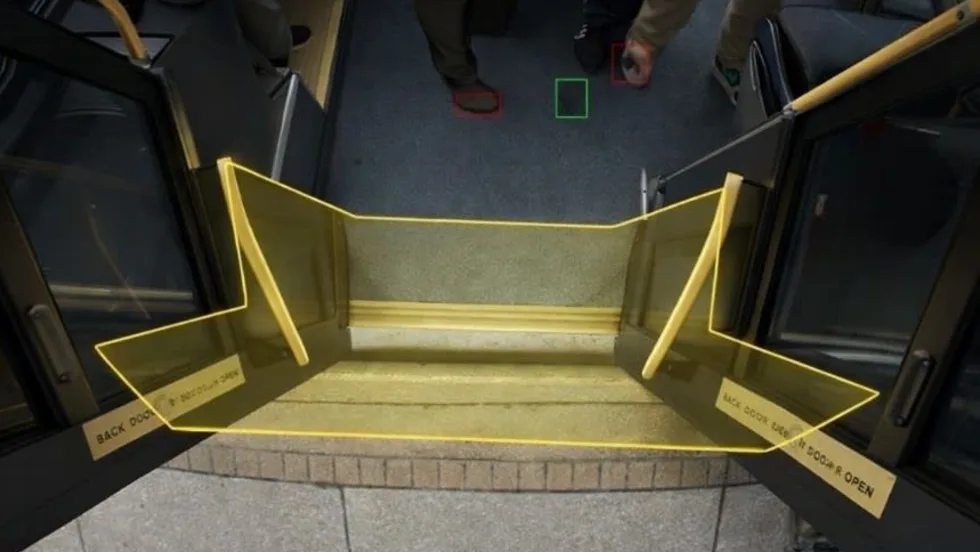
How VaporVision Adds Value to Transit Door Systems
Wabtec engineers explain how the system improves doorway detection, strengthens diagnostics and gives transit agencies and OEMs greater operating flexibility.
Read More →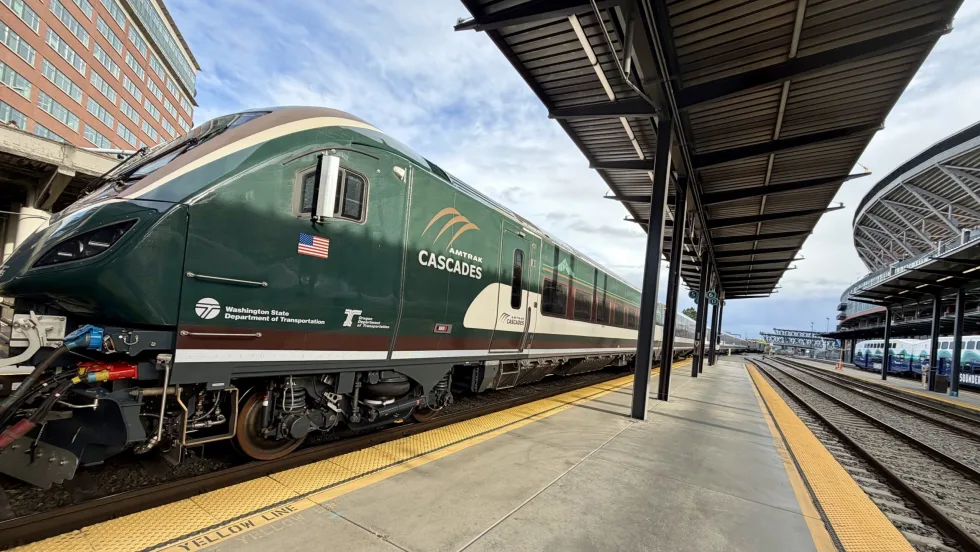
FRA Announces $5.3B in Rail Investments, Including $2B for Amtrak
Funding will support grade-crossing improvements, infrastructure upgrades, and new Amtrak equipment in 23 states.
Read More →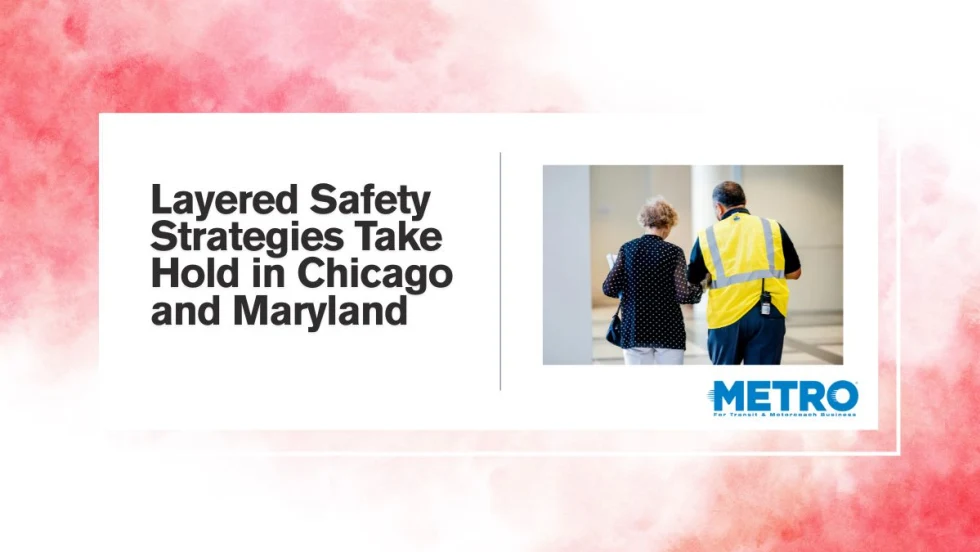
Chicago, Maryland Expand Non-Law-Enforcement Safety, Rider Support
The CTA and MTA are launching new programs aimed at de-escalation, crisis response, rider assistance, and greater transparency.
Read More →
LA Metro, City of West Hollywood, and Partners Advance Smarter Bus Lane Enforcement
The award-winning partnership combines AI-powered detection with human oversight to improve bus reliability, accessibility, and enforcement efficiency.
Read More →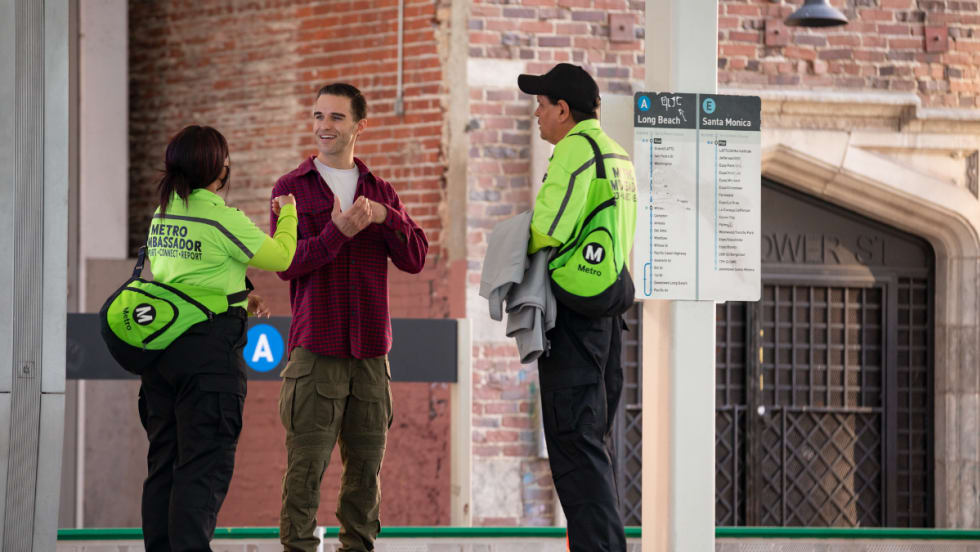
LA Metro Reports 57% Decline in Homelessness on Transit System Since 2024
The agency's latest homelessness count offers new data on how care-based services and cross-sector partnerships can complement traditional transit security strategies.
Read More →
FTA Launches 'Transit Moves America' Dashboard to Highlight Agency Safety and Performance
The online dashboard transforms National Transit Database information into a public-facing resource that allows users to compare transit agencies on key operational and safety metrics.
Read More →