
Metro Magazine

 MENU
MENU SEARCHMENUSEARCH
Loading data...

Modernized two 1920s-era subway stations. This project was one of 32 the agency embarked on with $191 million in ARRA funding. The Spring Garden-Girard station was SEPTA's largest stimulus initiative.
Read More →
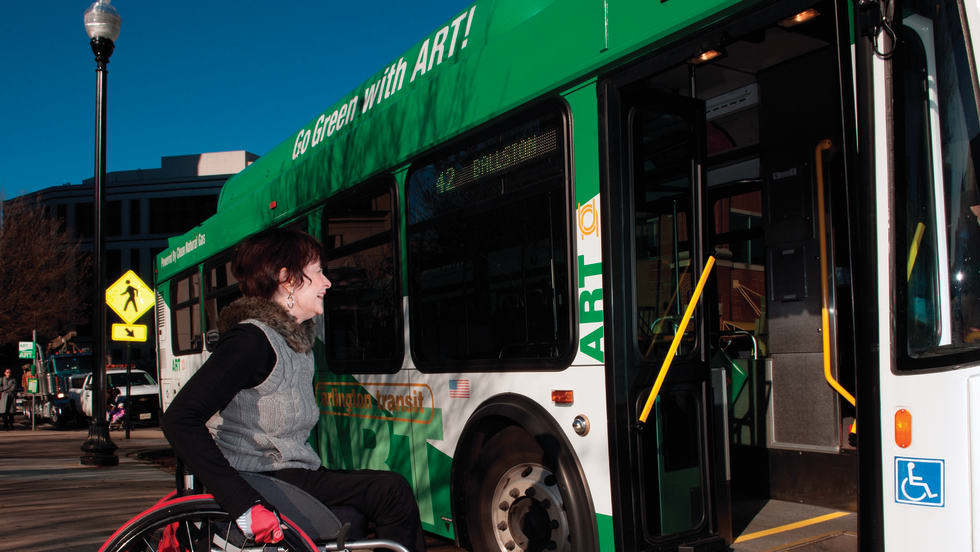
Westchester County's BeeLine paratransit service currently serves 5,500 registered riders a year, providing 220,000 trips annually.
Read More →To make Ryers Station more accessible, a new 240-foot high level platform, stairway and an Americans with Disabilities ramp were added.
Read More →“Equity in Transportation for People with Disabilities” findings state that older rail and bus systems, as well as Amtrak, are still inaccessible to people with disabilities and paratransit services required by the ADA are plagued by poor oversight, high costs to transit agencies and inadequate service.
Read More →The protesters were escorted out of the public gallery of the Massachusetts Statehouse while chanting "the riders united will never be defeated" and "they say cut back, we say fight back."
Read More →The two-year contract, which goes into effect May 17, 2012, also includes operation of the Downtown Loop circulator service, development of a seamless regional fare system, and management of the Special Services Office that sells fare products and evaluates applicants for the city’s Economy Fare Program.
Read More →The ability to live a self-sufficient life is important to everyone, and the ability to travel between home and destinations of choice is an integral part of self-sufficient living. Some people with disabilities use paratransit services to get where they need to go while others use fixed-route systems.
Read More →The new taxis are Dodge Caravan mini-vans that have been specially modified by Viewpoint Mobility to accommodate wheelchairs and scooters in the rear compartment. The taxis cost $36,744.00 each and were funded in part by over $380,000 in New Freedom grants.
Read More →The Topeka Metropolitan Transit Authority board of directors is considering returning paratransit services to the 38 people who were cut for $15 a ride, as opposed to the $4 paratransit riders had previously been charged.
Read More →