



Enhancing independence through transit travel training
The ability to live a self-sufficient life is important to everyone, and the ability to travel between home and destinations of choice is an integral part of self-sufficient living. Some people with disabilities use paratransit services to get where they need to go while others use fixed-route systems.

Through travel training or a transit system orientation, many people with disabilities or older adults may be able to use fixed-route bus or rail systems.
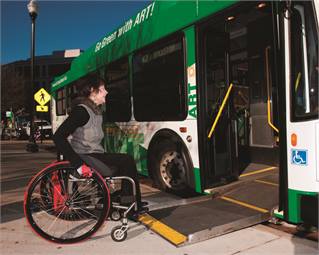
Through travel training or a transit system orientation, many people with disabilities or older adults may be able to use fixed-route bus or rail systems.
The ability to live a self-sufficient life is important to everyone, and the ability to travel between home and destinations of choice is an integral part of self-sufficient living. Some people with disabilities use paratransit services to get where they need to go while others use fixed-route systems.
Some paratransit riders or others with disabilities who use no public transportation at all are interested in learning how to use fixed-route bus or rail service. For those individuals, including students and older adults, travel training is an effective process through which to learn how to use public transit. Participating in travel training instruction helps an individual gain the confidence needed to travel independently to desired destinations like work or school, homes of friends and family, and social or business venues.
How it works
Many travel trainers employed by transit systems, human service organizations or schools are members of the
Association of Travel Instruction (www.travelinstruction.org).
Anyone can check to see if travel training programs are available locally. Students and parents or guardians can contact the school system to find out if travel training is offered. Adults can check with the public transit system or agencies that serve people with disabilities. Older adults can contact the transit system or aging services programs to see if travel training is offered. Travel training is often available free of charge if the potential participant meets program eligibility requirements.
Although many still consider travel training an emerging field, some programs are well established. Last year, for example, New York City’s travel training program celebrated its 50th anniversary. At an event celebrating that accomplishment, Easter Seals Project ACTION (ESPA) presented a Champion Award to Margaret Groce, director of the NYC Department of Education District 75 Office of Travel Training, for her outstanding leadership in the field. New York City Public Schools’ travel training program is one of the first in the country and among the most comprehensive. School systems across the nation have established similar programs, and over the past few decades, transit systems have started their own travel training for adult passengers. In addition to formal programs, some agencies or organizations have volunteer programs through which experienced commuters teach their peers how to use the fixed-route system.
Resources
Project ACTION’s interest and support of travel training services includes work on a cost-benefit model for travel training programs. In 2010, Karen Wolf-Branigin, ESPA staff member, and Michael Wolf-Branigin, PhD, George Mason University Department of Social Work associate professor, collaborated with additional experts in the field to develop a model budget with line item expenses and a formula to ascertain distinct costs and benefits of travel-training services to trainees, the community and funders. The travel training cost-benefit model was field tested at Paratransit Inc. in Sacramento, Calif., in 2011, and a presentation and resources on the model are available on Project ACTION’s website.
Project ACTION is also releasing an updated version of “You Can Ride,” a pictorial guide to riding a fixed-route bus or rail system that is designed for people with disabilities who cannot read or have limited proficiency in reading. With slits around the pictures that allow travel trainers or others to customize the guide by inserting their own photographs, the guide depicts steps in a trip from beginning to end.
For travel trainers looking to develop their skills, Project ACTION offers “Introduction to Travel Training” four times a year in various cities around the country. This free, three-day course allows participants to acquire knowledge in the classroom and directly apply and practice new skills on the street. Project ACTION also hosts the Global Travel Training Community, a Web-based community of practice to facilitate collaboration and knowledge-sharing within the travel training community, at www.projectaction.org.
In addition, the ATI holds an annual conference that draws participants from across North America. The 2012 conference will be held August 10 to 12 in Boulder, Colo.
To sign up for Project ACTION training activities or to find more resources on travel training or other areas related to accessible transportation, please visit www.projectaction.org, or call (800) 659-6428; TDD (202) 347-7385.
Whitney E. Gray is an information specialist at Easter Seals Project ACTION.
More Paratransit

Frontrunner Bus Group Introduces XF Low-Floor Bus with Enhanced Accessibility
The new mid-sized bus features a full flat-floor design, eight-inch curbside step-in height, and zero-entry rear ramp to improve passenger access and operational flexibility.
Read More →
Scenes from APTA TRANSform & EXPO 2026
Transit leaders, manufacturers, and industry professionals gathered in Chicago to explore new technologies, share ideas, and discuss the future of public transportation.
Read More →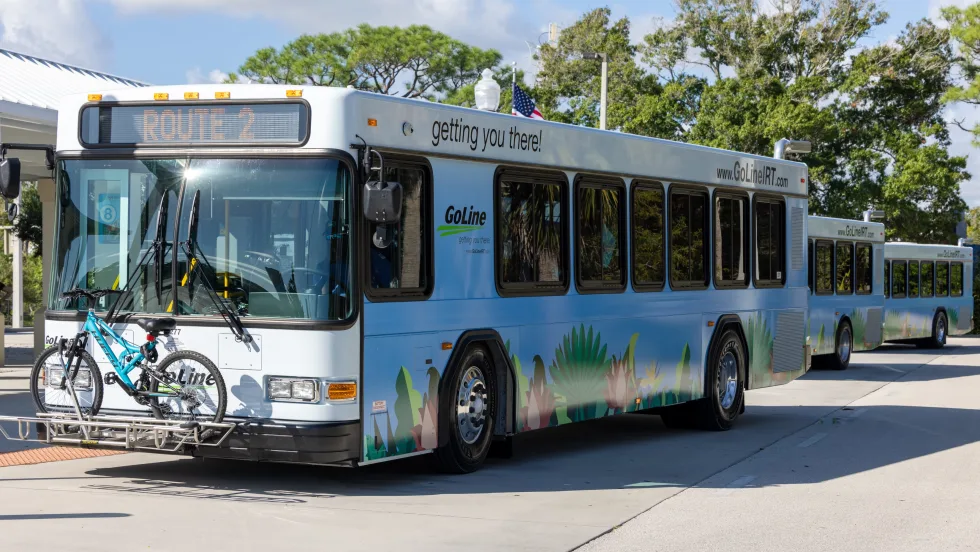
Indian River Transit’s Community-Focused Approach Earns National Recognition
Named APTA’s 2026 Outstanding Public Transportation System in its size category, Florida’s Indian River County transit system continues to grow ridership through fare-free service and a focus on evolving community needs.
Read More →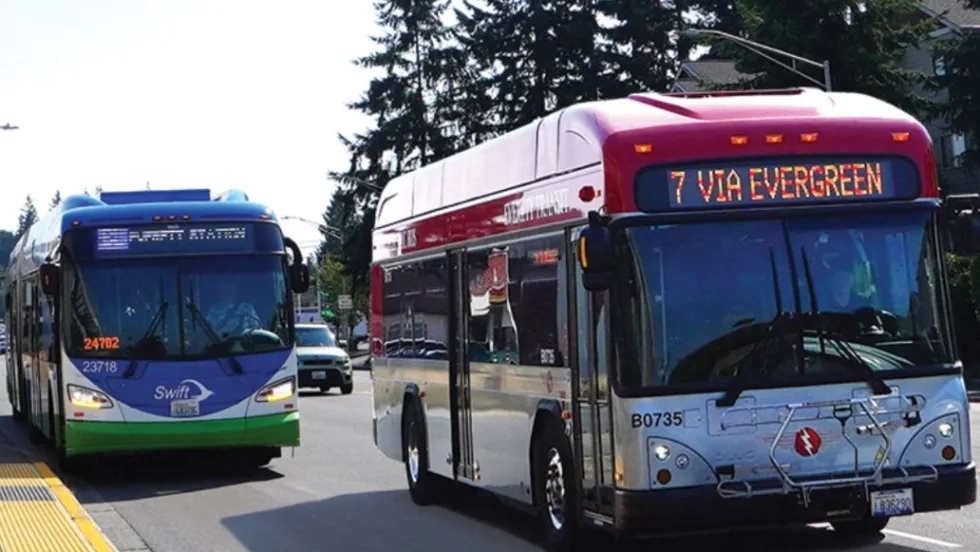
Everett Transit, Community Transit Outline Consolidation Agreement
The proposed agreement calls for a 50% increase in bus service in Everett, a new microtransit zone, continued paratransit service, and the transfer of Everett Transit operations to Community Transit.
Read More →
Driving Smarter Paratransit
John Hanlon shares how AlphaRoute is leveraging AI-powered technology to help paratransit providers optimize operations, support frontline staff, and enhance the rider experience.
Read More →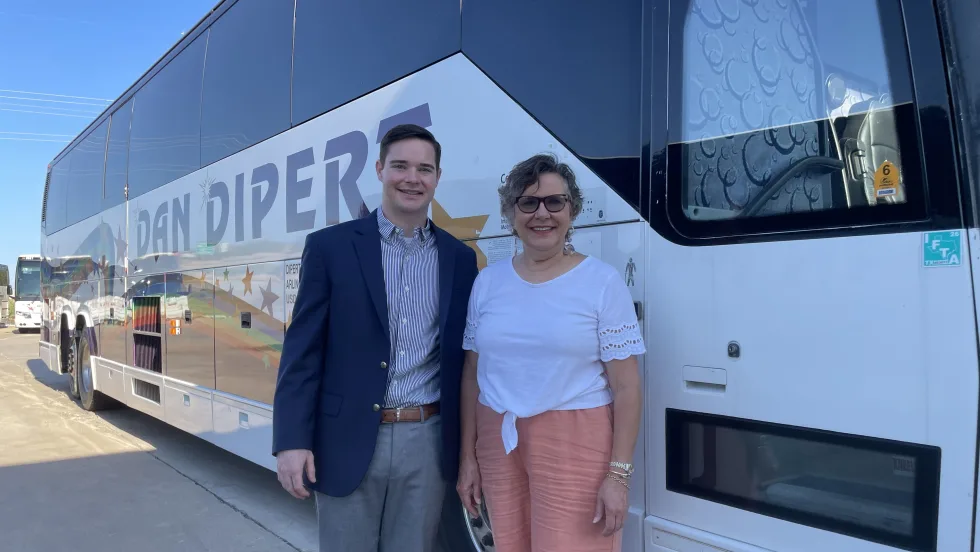
People Movement: Dan Dipert Coaches Adds Third-Generation Leader, Keolis Names New Valley Metro VP/GM, and More
In this edition, we also cover recent appointments and announcements at the Wabtec, SilverRide, HNTB, and more, showcasing the individuals helping to shape the future of transportation.
Read More →
Biz Briefs: RIPTA Unveils New Frontrunners, Clevland RTA Adds New Siemens, and More
In METRO's latest installment, we take a look at recent news from Siemens, Prevost, Dodge, and more partnerships making headlines across the transportation sector.
Read More →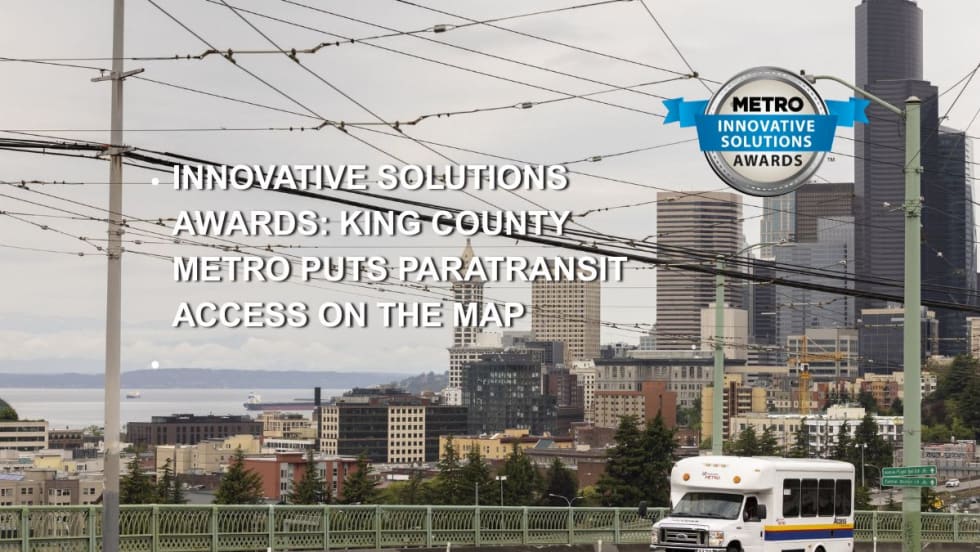
King County Metro Makes ADA Paratransit Easier to Navigate
METRO's Innovative Solutions Award winner replaces complex service-area descriptions with an accessible, interactive map that puts paratransit information directly in customers’ hands.
Read More →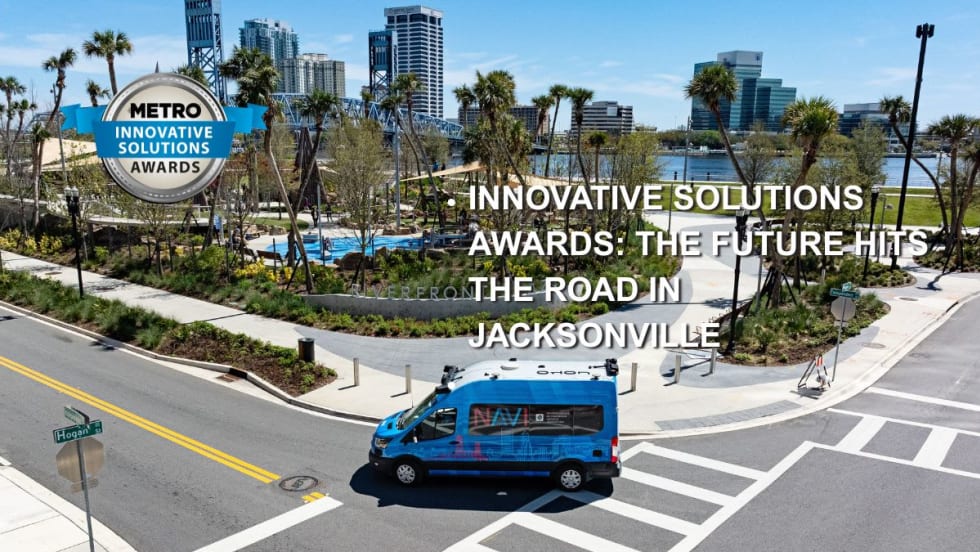
Jacksonville’s NAVI Project Charts a New Course for Autonomous Public Transportation
Through its NAVI program, JTA is showing how autonomous vehicles, intelligent infrastructure, and coordinated operations can work together to deliver everyday public transportation.
Read More →
Driving Smarter Paratransit
John Hanlon shares how AlphaRoute is leveraging AI-powered technology to help paratransit providers optimize operations, support frontline staff, and enhance the rider experience.
Read More →