
Metro Magazine

 MENU
MENU SEARCHMENUSEARCH
Loading data...

Service is provided through the Community Action Partnership of Mid-Nebraska, a non-profit organization that seeks to improve access to transportation, education, housing and medical care for people living in rural communities in south central Nebraska.
Read More →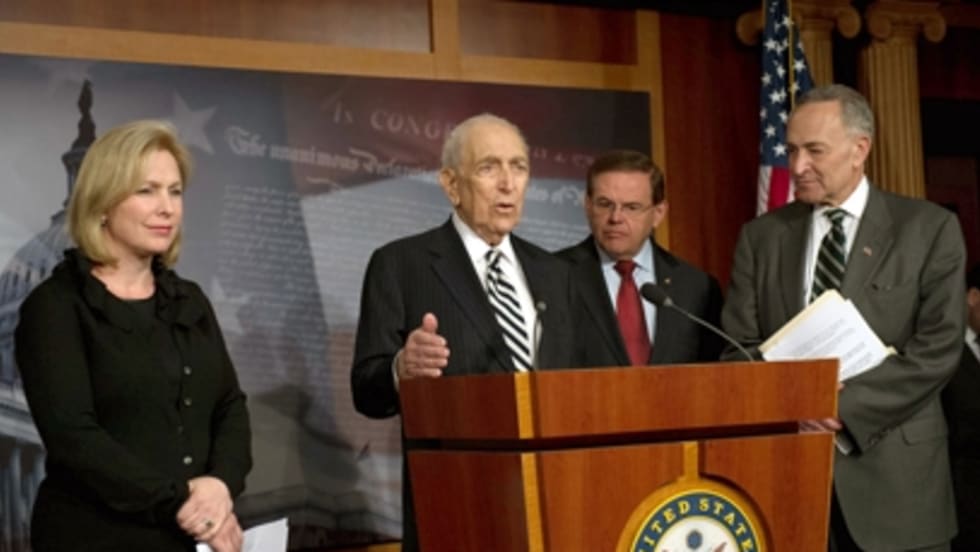
Was a long-time leader on environmental protection, transportation and protecting public health.
Read More →Directed to reduce their carbon pollution, increase renewable energy use, and meet energy and water efficiency goals.
Read More →Additionally, 40% of attendees were first-time participants, and there was a sharp increase in sponsorship with 30% more companies participating and, of the 50-plus participating sponsors, at least 20 of them were new.
Read More →Foxx, a second-term Democratic mayor of Charlotte, is relatively unknown in the capital that makes the traditional Capitol Hill meet-and-greet process for Cabinet nominees even more important.
Read More →Under an agreement with the university, the city is using the money to pay for installation of telecommunications fiber, sensors and electronic equipment, as well as some network support.
Read More →The first units of the $466 million order, to be used in the northeast, will be field tested this summer for entry into revenue service in the fall.
Read More →In addition to the funds, the agency also announced a flexible new policy, known as Safety Management Systems, which the U.S. DOT has officially adopted to help guide states and transit agencies alike in managing safety risks in a proactive, cost-effective way.
Read More →Projects eligible include highways and bridges, public transportation, passenger and freight rail transportation, and marine port infrastructure investments.
Read More →The project is now allowed to move forward to the next phases of design, right-of-way acquisition and construction. This is the last approval step under the National Environmental Policy Act process.
Read More →