
Metro Magazine

 MENU
 SEARCHMENUSEARCH
Loading data...
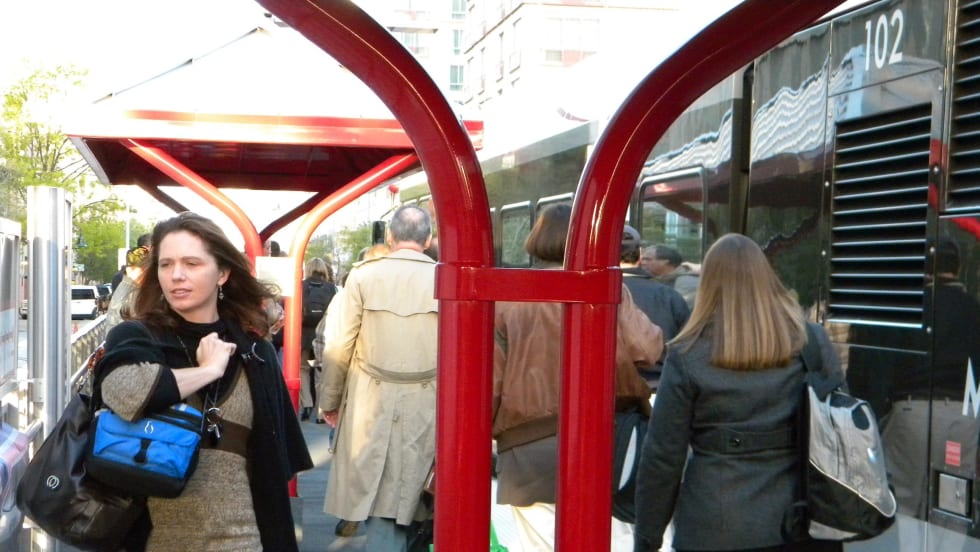
The savings are based on the cost of commuting by public transportation compared to the cost of owning and driving a vehicle, which includes the March 23, 2016 average national gas price and the national unreserved monthly parking rate numbers.
Read More →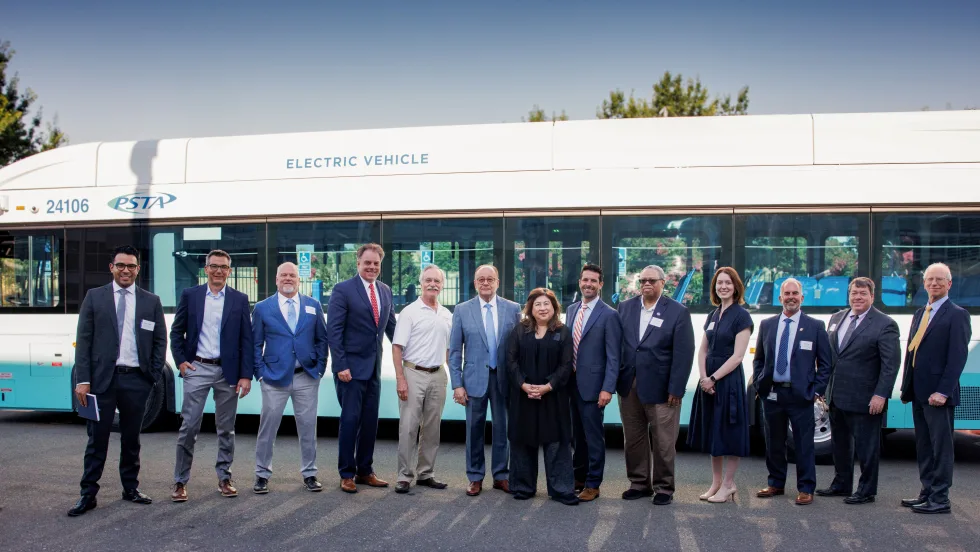

The event highlighted the pivotal role GILLIG and the broader public transportation industry play in America's economic and environmental future.
Read More →Colorado, Michigan, Maine and Ohio passed pro-transit initiatives.
Read More →Transit riders can save, on average, $761 per month, according to this month's report. The savings amount is based on the cost of the national averages for parking and driving, as well as the July 9 national average gas price of $2.58 per gallon for self-serve regular gasoline, as reported by AAA.
Read More →The new APTA Chair is David M. Stackrow Sr., Board Member, Capital District Transportation Authority, Albany, N.Y.
Read More →Public transportation use is up 38 percent since 1995, a figure that is almost triple the growth rate of the population (14 percent) and up substantially over the growth rate for the vehicle miles traveled (VMT) on U.S. highways (21 percent) for that same period.
Read More →Ward W. McCarragher has served as majority/minority chief counsel for the U.S. House of Representatives' Committee on Transportation and Infrastructure for the past 20 years.
Read More →GRTC Transit System has been recognized as the best transit system of its size in North America by the American Public Transportation Association (APTA).
Read More →The "Clean Energy Jobs and American Power Act" introduced by Senators Barbara Boxer (D-CA) and John Kerry (D-MA) this week potentially offers important new funding to expand access to public transportation.
Read More →Today’s public transit vehicles are significantly more advanced than automobiles in their ability to run on clean fuels. For instance, buses on the road powered by alternative fuels rose from 2% in 1992 to 36% in 2011. That compares to the percentage of cars capable of being powered by alternative fuels was only 3.2% in 2011.
Read More →