



APTA supports provisions in climate change proposal
The "Clean Energy Jobs and American Power Act" introduced by Senators Barbara Boxer (D-CA) and John Kerry (D-MA) this week potentially offers important new funding to expand access to public transportation.

William Millar, president, APTA, released a statement regarding transportation provisions in the Boxer/Kerry climate change proposal:
“The ‘Clean Energy Jobs and American Power Act’ introduced by Senators Barbara Boxer (D-CA) and John Kerry (D-MA) this week potentially offers important new funding to expand access to public transportation and improve our daily travels while reducing greenhouse gas (GHG) emissions and oil consumption. APTA supports their efforts to move our nation toward a vibrant clean energy economy while controlling global warming.
The bill introduces an innovative plan to reduce GHG emissions and petroleum consumption within the transportation sector, a much needed element in energy and climate legislation. Transportation is responsible for 28 percent of GHG emissions in the United States and approximately 70 percent of domestic oil consumption. If funded and enacted, the bill’s plan for transportation will help improve transit service throughout the country and implement other important strategies.
The ‘Clean Energy Jobs and American Power Act’ outlines potential direct investment in transit systems to expand and improve service in both urban and rural areas. Public transportation provides a great solution to address climate change. Transit use last year prevented the release of more than 37 million metric tons of carbon dioxide, the equivalent of electricity consumption by 4.9 million households.
The bill would also create a competitive multi-modal program to fund transportation projects identified by new regional and state planning efforts to reduce vehicular emissions. This program could advance significant projects such as light rail systems, bus rapid transit (BRT) installations, and subway extensions that improve land use, spur private investment and significantly reduce transportation-related emissions in metropolitan areas.
In addition to benefiting the environment, these investments could be a significant source of employment. Every $1 billion invested in federally aided public transportation capital projects supports approximately 30,000 jobs.
We strongly urge the Senate to provide robust funding for transit and transportation investment in future versions of the ‘Clean Energy Jobs and American Power Act’.”
More Paratransit

Biz Briefs: RIPTA Unveils New Frontrunners, Clevland RTA Adds New Siemens, and More
In METRO's latest installment, we take a look at recent news from Siemens, Prevost, Dodge, and more partnerships making headlines across the transportation sector.
Read More →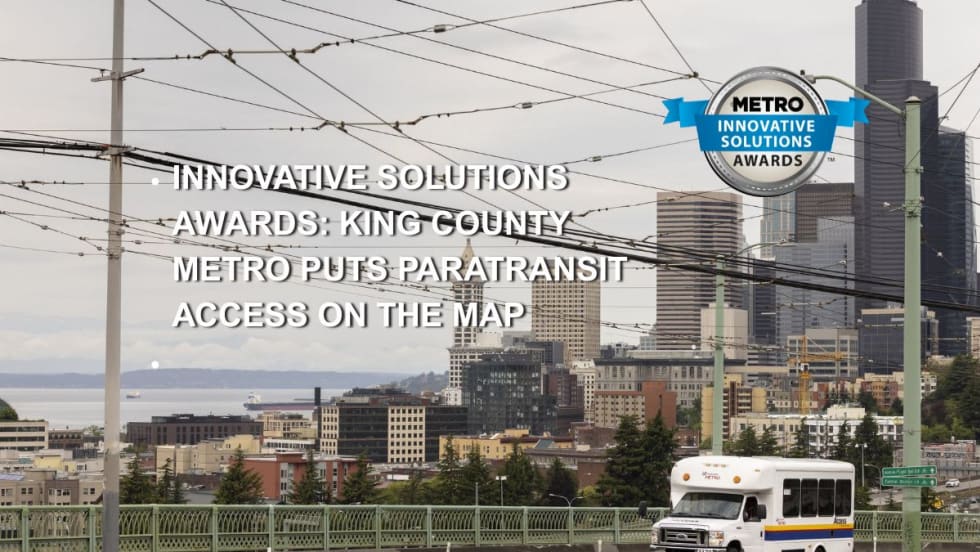
King County Metro Makes ADA Paratransit Easier to Navigate
METRO's Innovative Solutions Award winner replaces complex service-area descriptions with an accessible, interactive map that puts paratransit information directly in customers’ hands.
Read More →
Jacksonville’s NAVI Project Charts a New Course for Autonomous Public Transportation
Through its NAVI program, JTA is showing how autonomous vehicles, intelligent infrastructure, and coordinated operations can work together to deliver everyday public transportation.
Read More →
Driving Smarter Paratransit
John Hanlon shares how AlphaRoute is leveraging AI-powered technology to help paratransit providers optimize operations, support frontline staff, and enhance the rider experience.
Read More →
METRO Magazine Announces 2026 Innovative Solutions Awards Winners
Projects Recognized for Advancing Mobility Through Technology, Accessibility, Workforce Innovation, and Operational Excellence
Read More →
Biz Briefs: STV teams with Amtrak, Motorcoach Operators Boost Fleet and Land Contracts, and More
From manufacturers and suppliers to transit agencies and motorcoach operators, these updates offer a snapshot of the projects, partnerships and business moves driving the industry forward.
Read More →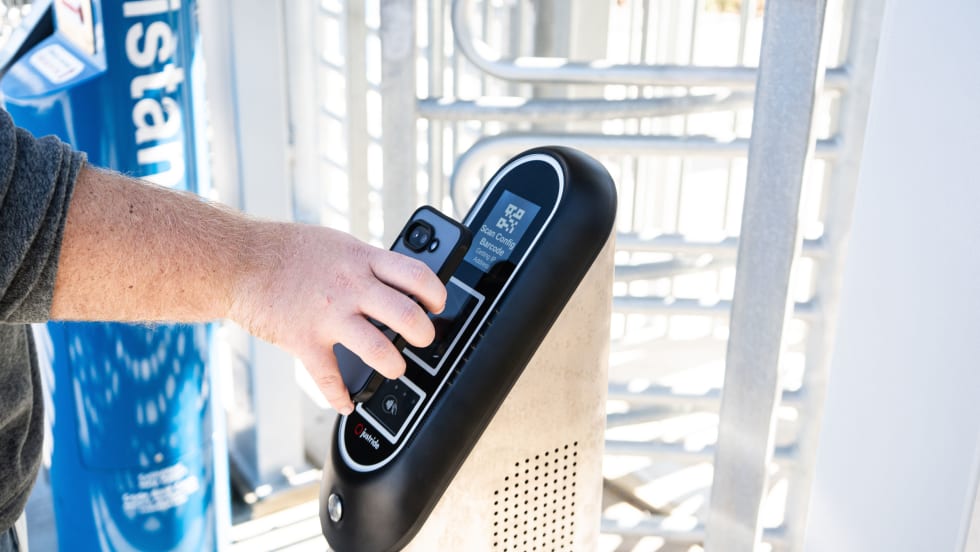
Biz Briefs: Masabi Teams with St. Louis Metro and More
In METRO's latest installment, we take a look at recent news from Transdev, Hitachi, and more partnerships making headlines across the transportation sector.
Read More →
New York MTA Leverages Zoning Program to Advance Station Accessibility
Accessibility enhancements at Nevins St Station will be financed through a development agreement tied to the MTA's Zoning for Accessibility initiative.
Read More →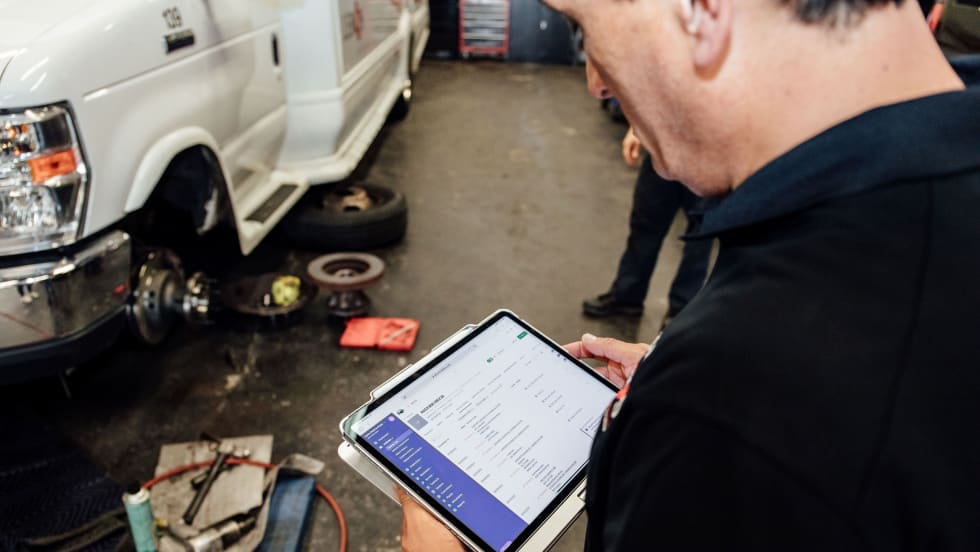
Reinventing Fleet Maintenance with Real-time Visibility and AI
Transit leaders need to know what needs fixing, where to look, who is responsible, when work is completed, and what it costs without having to chase information across disconnected systems.
Read More →
SamTrans Sets Priorities for Potential Connect Bay Area Revenue
The board-approved framework allocates future funding to maintaining service, rider improvements, equity initiatives, and infrastructure repairs.
Read More →