
Metro Magazine

 MENU
MENU SEARCHMENUSEARCH
Loading data...

The grant, which requires a 20% match, or $1,155,465 million in local TRANSNET funding, totals $5,777,325 million, enabling NCTD to purchase up to 12 CNG buses, replacing 12 older diesel coaches.
Read More →

Engineers were able to obtain this result while also incorporating unique design features that provide better maintenance accessibility and a relatively lightweight bus.The tank system will be on display in Booth #4013.
Read More →The 4,000 square foot CNG fueling facility will be fully functional in the first quarter of 2012.
Read More →The $150-million investment is in the form of 7.50 percent convertible notes due in 2016. The notes will be convertible into shares of Clean Energy common stock at $15 per share. The closing of the investment is scheduled to occur on or before Aug. 30, 2011 and is subject to customary conditions.
Read More →Over the next two years, the transit agency expects to deploy nine new CNG fixed-route 32-passenger buses and 17 CNG paratransit buses as replacements for 50 percent of the diesel models in its fleet.
Read More →Supporting the local deployment of alternative-fueled cabs, the City of Chicago's Department of Environment has implemented a Green Taxi program, which reimburses taxi companies that purchase vehicles powered by alternative fuels or hybrid vehicles.
Read More →The LNG fuel supplied is converted on site at Sun Metro facilities to compressed natural gas fuel, which powers the Sun Metro fleet of 200 transit and paratransit buses.
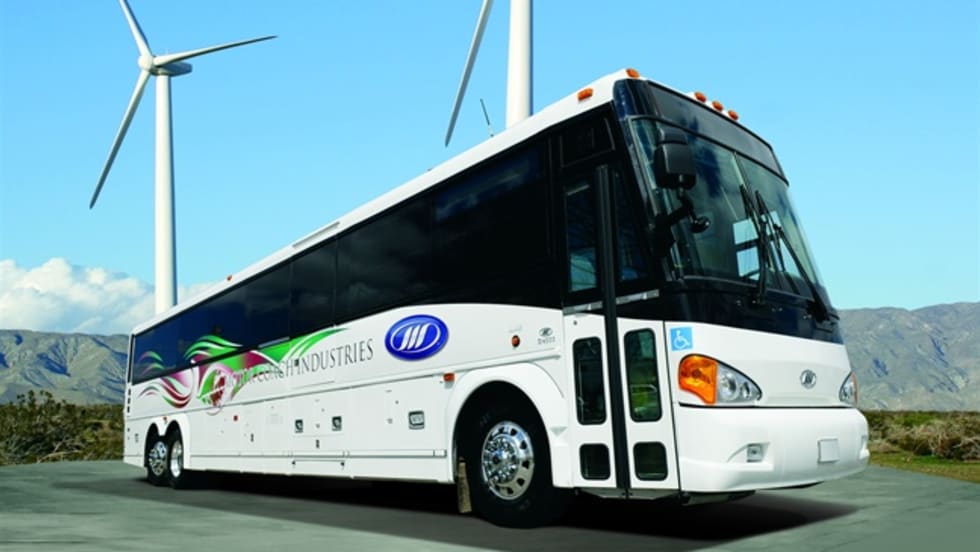
Read More →The CNG-powered 40-foot coaches will be the first MCI models in the City of Los Angeles Department of Transportation’s fleet. Each coach will be wheelchair-lift equipped and feature MCI’s Cummins ISL G 8.9 liter, 320hp engine, which meets 2010 U.S. Environmental Protection Agency and California’s California Air Resource Board (CARB) standards.
Read More →Will represent more than 50 percent of the 64,000 total transit buses that will be delivered worldwide by 2015, up from 28 percent of total bus deliveries in 2010.
Read More →The new CNG fueling stations, available 24/7 for public access, will be located in Tampa, Fla.; New York City; New Orleans and Philadelphia.
Read More →