



Alternative fuel use gaining traction in transit bus sector
Will represent more than 50 percent of the 64,000 total transit buses that will be delivered worldwide by 2015, up from 28 percent of total bus deliveries in 2010.

Alternative fuels are gaining significant traction in the transit bus sector, which has long been an important early adopter market for low-emissions drive trains, according to a new study. Several different fuels are typically used in such buses, including hybrid-electric; natural gas, in either liquid or compressed form; and hydrogen fuel cells.
According to a recent report from Pike Research, the trend toward cleaner transit buses will continue over the next several years, and by 2015, the firm forecasts that alternative-fuel vehicles will represent more than 50 percent of the 64,000 total transit buses that will be delivered worldwide during that year, up from 28 percent of total bus deliveries in 2010.
“Transit bus fleets are an important area of focus within the broader effort to reduce emissions from mass transit in urban areas,” says Senior Analyst Dave Hurst. “Of the various options available for making mass transit cleaner, buses are the easiest to implement because changes can be completed without significant new or upgraded infrastructure. While diesel buses will certainly continue to enjoy a long life, alternative fuel vehicles will soon represent the majority of new bus deliveries.”
Hurst adds that hybrid-electric transit buses have the smallest impact on infrastructure since they typically utilize diesel fuel, but are more expensive than natural gas buses. Natural gas buses are less expensive than hybrids, but require refueling stations. While in some parts of the U.S., gas companies will install a refueling station essentially for free, the single refueling point may mean limited range of use for the vehicles.
Hydrogen fuel-cell buses have a similar limitation because they require a hydrogen refueling point. However, because these buses are often set up as demonstration or prototype fuel-cell vehicles, they are located in areas where the fueling is currently available or funding for these projects includes a provision for refueling. The number of fuel-cell buses in the world, while growing, remains very small in comparison to other alternative fuels, according to the study.
Pike Research’s analysis indicates that the highest penetration regions for alternative-fuel buses will be North America and Asia Pacific, each of which will boast adoption rates of more than 60 percent of new buses delivered within the next five years. This is especially significant since the two regions together will represent nearly 70 percent of all new bus deliveries during that timeframe. Adoption of alternative-fuel buses in Europe will be quite a bit lower, representing less than one-third of total deliveries.
Pike Research’s study, “Clean Mass Transit,” examines the opportunities and challenges within the mass transit vehicle market. The report provides a comprehensive analysis of mass transit vehicles, including diesel technology, hybrid battery technology, rail electrification, regenerative braking, government emissions regulations, emerging markets and key drivers of market growth.
The report includes forecasts through 2016 for transit buses, alternative-fuel buses, bus rapid transit, light rail, rapid transit and commuter rail by world region. Key market players are also profiled. An Executive Summary of the report is available for free download on the firm’s website.
METRO Extra: To find out how fleets across the country are implementing alternative fuels, click here to read a recent article by Managing Editor Alex Roman.
More Paratransit
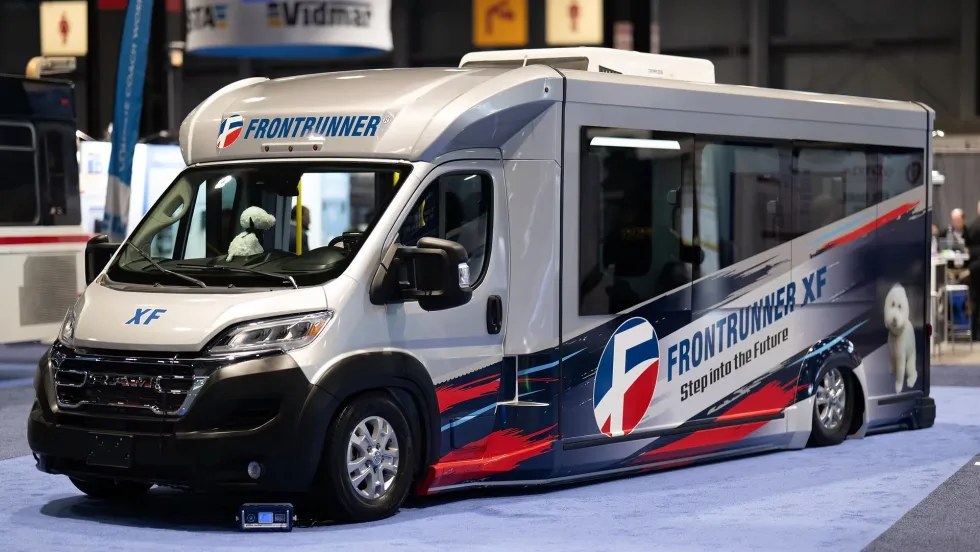
Frontrunner Bus Group Introduces XF Low-Floor Bus with Enhanced Accessibility
The new mid-sized bus features a full flat-floor design, eight-inch curbside step-in height, and zero-entry rear ramp to improve passenger access and operational flexibility.
Read More →
Scenes from APTA TRANSform & EXPO 2026
Transit leaders, manufacturers, and industry professionals gathered in Chicago to explore new technologies, share ideas, and discuss the future of public transportation.
Read More →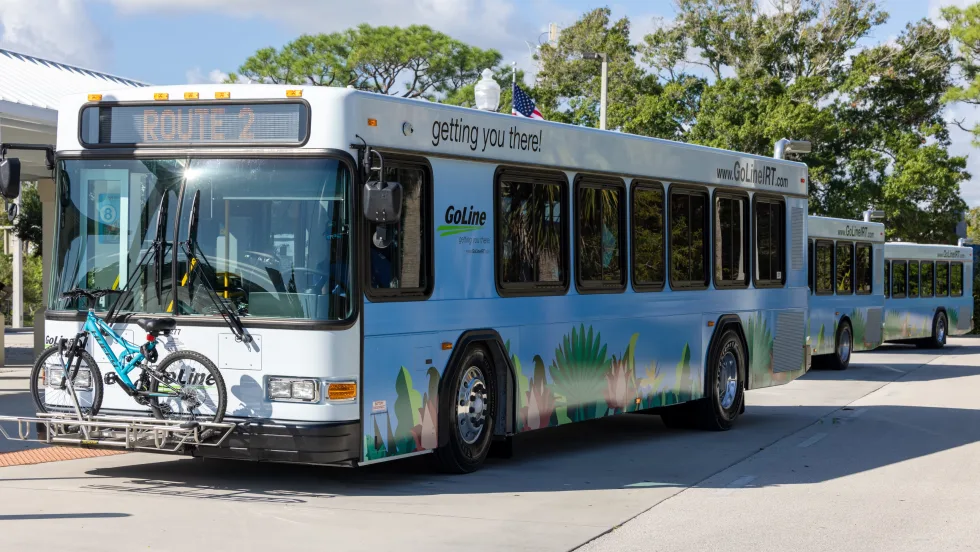
Indian River Transit’s Community-Focused Approach Earns National Recognition
Named APTA’s 2026 Outstanding Public Transportation System in its size category, Florida’s Indian River County transit system continues to grow ridership through fare-free service and a focus on evolving community needs.
Read More →
Everett Transit, Community Transit Outline Consolidation Agreement
The proposed agreement calls for a 50% increase in bus service in Everett, a new microtransit zone, continued paratransit service, and the transfer of Everett Transit operations to Community Transit.
Read More →
Driving Smarter Paratransit
John Hanlon shares how AlphaRoute is leveraging AI-powered technology to help paratransit providers optimize operations, support frontline staff, and enhance the rider experience.
Read More →
People Movement: Dan Dipert Coaches Adds Third-Generation Leader, Keolis Names New Valley Metro VP/GM, and More
In this edition, we also cover recent appointments and announcements at the Wabtec, SilverRide, HNTB, and more, showcasing the individuals helping to shape the future of transportation.
Read More →
Biz Briefs: RIPTA Unveils New Frontrunners, Clevland RTA Adds New Siemens, and More
In METRO's latest installment, we take a look at recent news from Siemens, Prevost, Dodge, and more partnerships making headlines across the transportation sector.
Read More →
King County Metro Makes ADA Paratransit Easier to Navigate
METRO's Innovative Solutions Award winner replaces complex service-area descriptions with an accessible, interactive map that puts paratransit information directly in customers’ hands.
Read More →
Jacksonville’s NAVI Project Charts a New Course for Autonomous Public Transportation
Through its NAVI program, JTA is showing how autonomous vehicles, intelligent infrastructure, and coordinated operations can work together to deliver everyday public transportation.
Read More →
Driving Smarter Paratransit
John Hanlon shares how AlphaRoute is leveraging AI-powered technology to help paratransit providers optimize operations, support frontline staff, and enhance the rider experience.
Read More →