
Metro Magazine

 MENU
MENU SEARCHMENUSEARCH
Loading data...
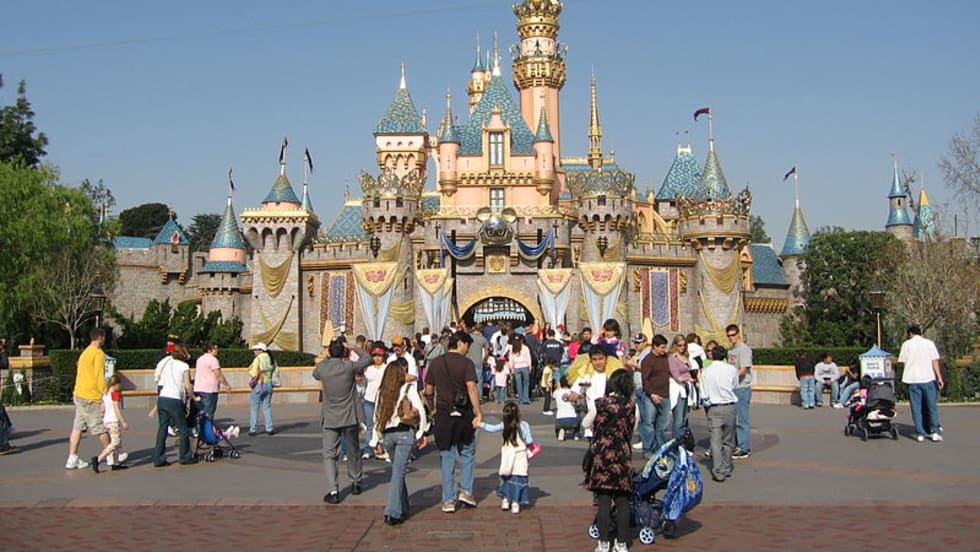
The estimated $319 million price tag is higher than any of the last 11 streetcar projects proposed nationwide. Factors driving up the cost include development of a hybrid power system and the need for more vehicles for the resort district's heavy traffic loads.
Read More →
The agency, the city of Dallas and Dallas County broke ground near a new scheduled streetcar stop. The 1.6-mile line is expected to cost $80 million and is supported primarily with federal funds. Phase one is set to open in October of next year.
Read More →Project funding gap is in part due to bids to install tracks, build shelters and buy ticket machines being $26 million to $44 million higher than estimated by the city.
Read More →RTA’s proposal would almost double the size of the city's existing system. However, the plan depends on new federal grants or tax revenues. The agency projects the cost of all the new lines at more than $800 million.
Read More →The project is now allowed to move forward to the next phases of design, right-of-way acquisition and construction. This is the last approval step under the National Environmental Policy Act process.
Read More →The approval of project development allows for the completion of the environmental study and initiation the engineering phase.
Read More →Would mean three Georgetown campuses would be located along the same streetcar line: the law campus, the new Georgetown downtown campus and ideally the main campus in upper northwest D.C.
Read More →While tourists like the idea of being able to use a streetcar to get around, some area businesses have reported declining numbers since street parking has been reduced.
Read More →Funding is expected to cover repair and operational costs for the streetcar for three decades. The vote was a victory for the project’s advocates, who emphasized the trolley's potential to create economic growth in the downtown area.
Read More →As a result, the Portland Bureau of Transportation faces a shortfall in funding the streetcar's $8.9 million annual operating budget.
Read More →