
Metro Magazine

 MENU
MENU SEARCHMENUSEARCH
Loading data...
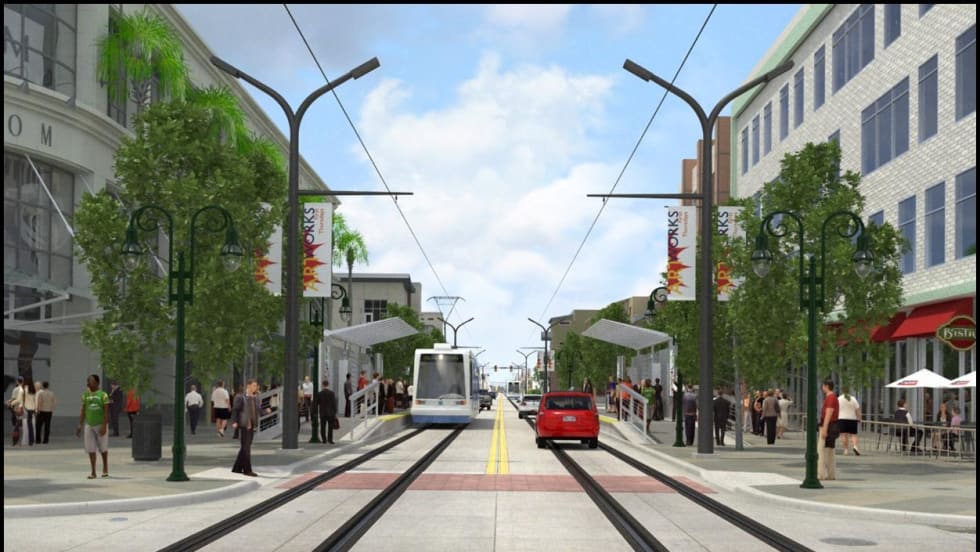
The 2.7-mile Fort Lauderdale electric streetcar system, called "The Wave," will operate in part via overhead electrical wires in some areas and by battery power in others
Read More →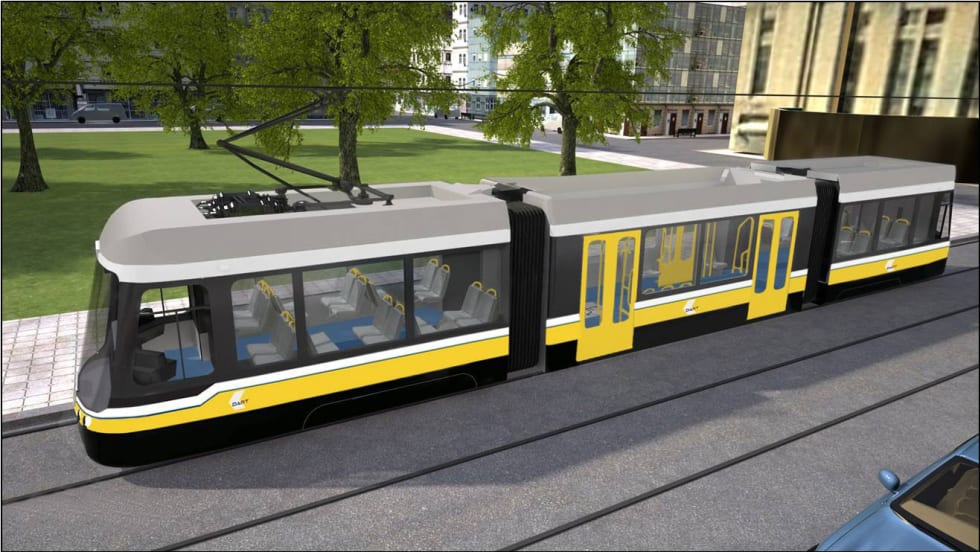
Brookville Equipment Corp. vehicles will operate along a four-stop, 1.6-mile track that provides access for citizens of Dallas' urban core to the downtown Union Station hub, which connects to DART's Red/Blue/Green light rail lines and the Trinity Railway Express with service to Fort Worth.
Read More →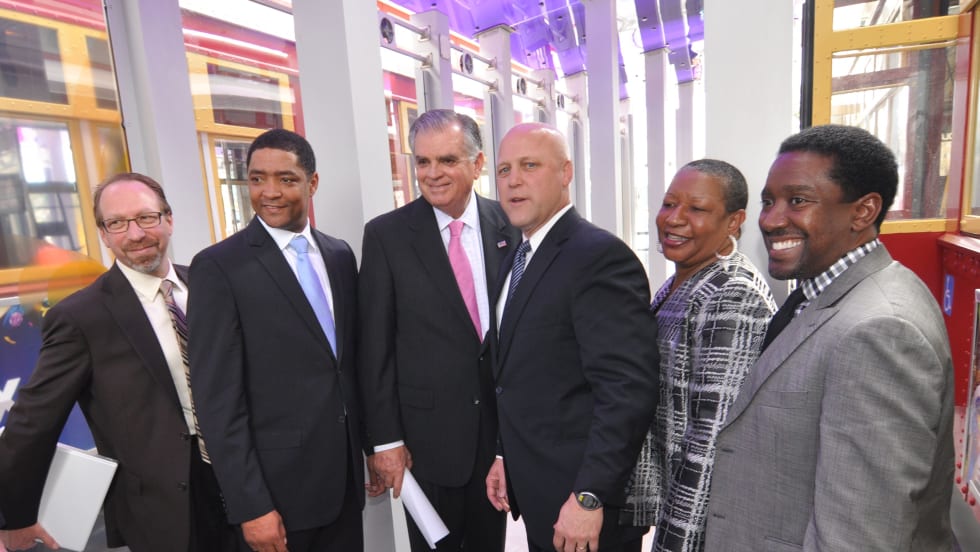
The line, which officially opened on Jan. 28, has already generated $2.7 billion in development along the streetcar’s new corridor, including new apartments, condominiums, and an entertainment/sports complex.
Read More →
The Loyola Avenue Streetcar line has four new stations and travels through the city’s business district, which includes energy, government, healthcare and financial sector offices and jobs.
Read More →The contract, which is for three years with options to increase it to eight years, consolidates the RATP Dev strategy for its future in the USA where it intends to continue expanding in transit, paratransit, regular inter-urban lines and charter fields as well as tramways and light rail systems.
Read More →Would run through three of downtown's main arteries. Another major transportation infrastructure project planned for downtown is a regional connector, a $1.3-billion subway line.
Read More →Design is expected to be complete by April 2013. Construction is expected to be complete by June 2014.
Read More →While the agency’s light rail ridership forecasts seem overly optimistic and its citizen-oversight panel is insubstantial, the agency did adapt well to the recession.
Read More →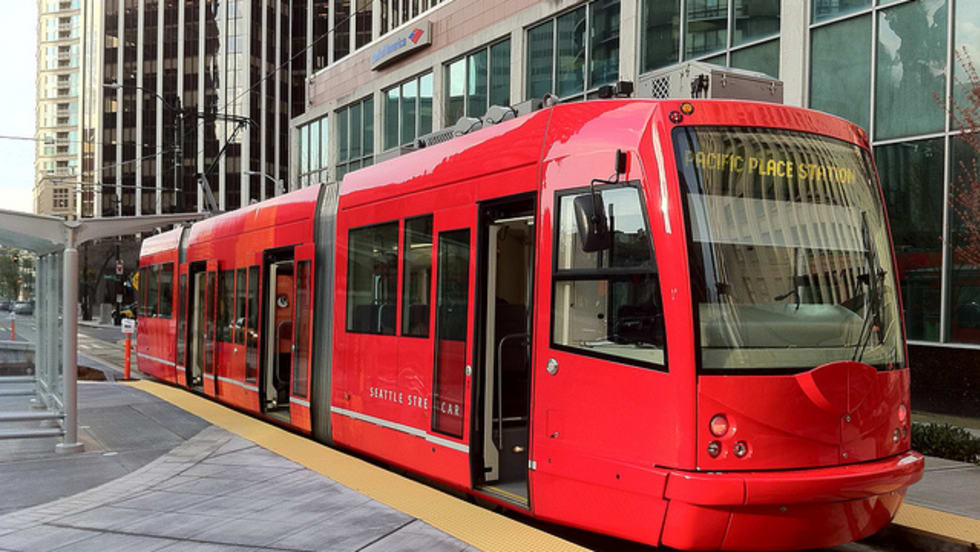
Hopes to offset impact of 12,000 new employees that would work at a planned high-rise campus site.
Read More →The fully integrated system manages rolling stock throughout its life cycle, from pre-acquisition to post-disposition. With robust and comprehensive functionality, Trapeze EAM ensures equipment reliability, regulatory compliance and cost containment.
Read More →