
Metro Magazine

 MENU
MENU SEARCHMENUSEARCH
Products ordered include Mobitec electronic information display systems, Mobitec voice announcement systems and Mobitec global positioning satellite control units.
Read More →The environmental assessment and preliminary engineering work, which is under way, is slated to be completed in summer 2010.
Read More →The Urbalis solution will significantly increase train frequency and transport capacity while ensuring optimal safety, flexible operations and heightened passenger comfort, according to Alstom.
Read More →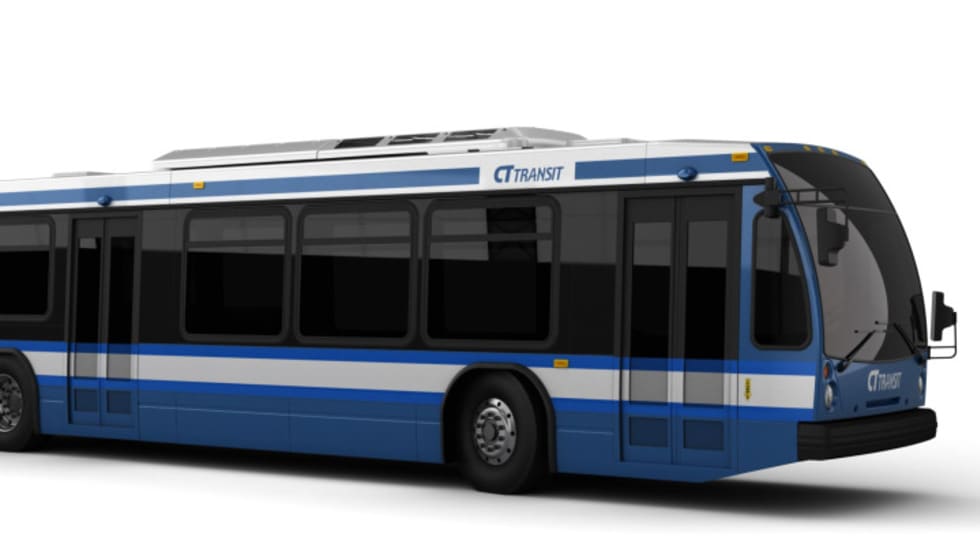
Valued at approximately $60 million, the order will be assembled at company's Plattsburgh, N.Y., plant.
Read More →Early construction is expected to begin during late spring 2010. The replacement bridges are slated for completion in 2017.
Read More →Maintenance activities will take place at RENFE's depots in Spain and work is predicted to start in 2010, after the conclusion of the train's homologation process.
Read More →Construction of the station is scheduled to begin in February 2010.
Read More →The project's total construction value is approximately $708 million.
Read More →Responsible for upgrading the automatic train control system, which includes replacing switches and signals and upgrading eight interlockings from mechanical relays to Microlok II solid state controls.
Read More →Will provide program and project schedule control support services and staff augmentation services for all phases of project design and construction. MTA agencies that are expected to be supported under the contract include MTA New York City Transit, Metro-North Railroad and the MTA Bus Co.
Read More →